A flat vegan dinner is frustrating for two reasons. First, it makes good ingredients feel like a chore. Second, it can quietly drive up your grocery budget because people often respond by buying pricier meat substitutes, extra sauce, or takeout instead of fixing the actual issue. In most home kitchens, bland vegan food is not a protein problem. It is a layering problem. Human taste includes umami, the savory taste linked to glutamate, and browned foods develop more complex flavor than foods that are only boiled or steamed. When a dish misses both savory depth and contrast, it reads as dull even if the ingredient list looks healthy and thoughtful. (pmc.ncbi.nlm.nih.gov)
TL;DR
- Flat vegan meals are usually missing one or more layers: browning, concentrated savoriness, acid, freshness, or texture. (acs.org)
- Before you add more salt, run the LIFT scorecard in this article: Layered base, Intensified savoriness, Fresh lift, Texture.
- Cheap pantry add-ins such as tomato paste, soy sauce, vinegar, dried mushrooms, and herbs often do more for flavor than expensive mock meats.
- A last-minute finish of citrus or vinegar plus fresh herbs can wake up a heavy dish fast. (heart.org)
The real reason vegan meals go dull
Plant-based ingredients are not inherently bland. Mushrooms, tomatoes, fermented soy products, and other ingredients can deliver strong savory flavor because umami is a real taste category, and certain nucleotides can intensify the way savory ingredients are perceived. That is why a pot of lentils can taste full and satisfying when it includes browned vegetables, tomato paste, or miso, but thin when it is just simmered with stock and dried spices. (pmc.ncbi.nlm.nih.gov)
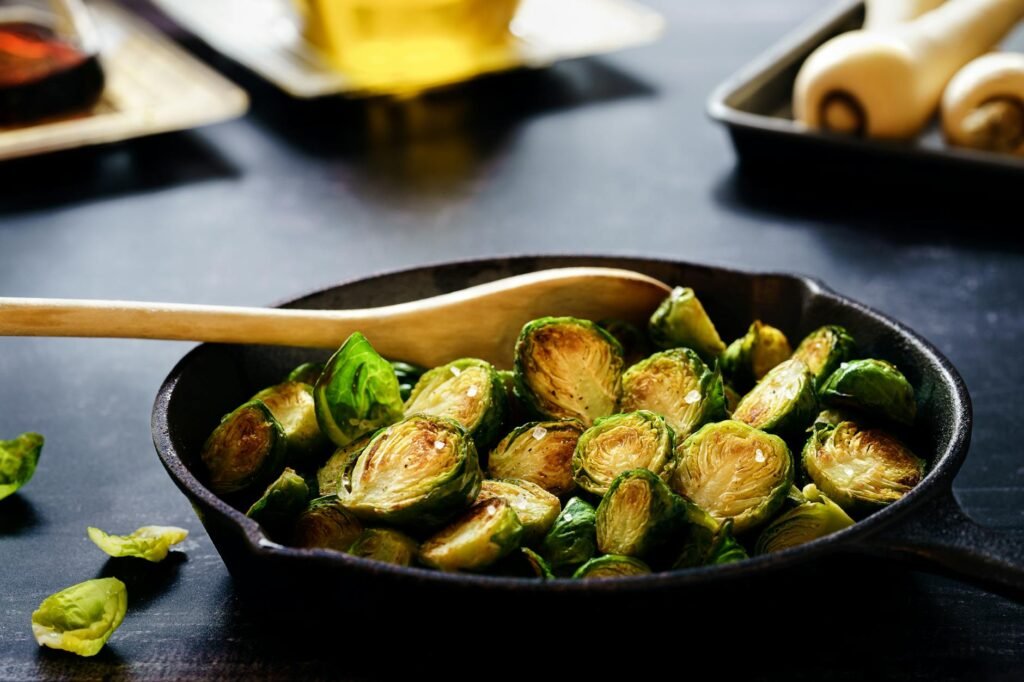
The bigger culprit is usually technique. Wet cooking alone does not create the same roasted, nutty depth as browning. The Maillard, or browning, reaction is a major reason toast, roasted vegetables, and seared foods taste richer than their paler versions. On top of that, dried mushrooms and dried tomatoes can taste more intense than fresh ones, and vinegar or citrus can perk up flavor when added near the end. (acs.org)
The LIFT scorecard: a quick audit before you add more salt
In the event that you experience any flat-tasting vegan meal, consider utilizing this initial scorecard LIFT. Give yourself 1 point for every layer your dish is clearly made of. 0-1 points generally means your meal will have a thin tasting. 2 points means it’s food but has one-note flavour. 3 points means solid. 4 points means your simple bean bowl, tofu stir-fry or lentil soup will begin tasting like restaurant-quality at non restaurant prices.
- L – Layered base: You cooked aromatics such as onion, garlic, ginger, shallot, or scallions in fat long enough to taste mellow and savory, not raw.
- I – Intensified savoriness: You built depth with browning and at least one concentrated booster, such as tomato paste, mushrooms, miso, soy sauce, tamari, olives, capers, or nutritional yeast. Browning creates complexity, and dried mushrooms and tomatoes can be especially intense. (acs.org)
- F – Fresh lift: You added brightness near the end with lemon, lime, vinegar, pickled vegetables, or fresh herbs. The American Heart Association notes that vinegar and citrus can perk up flavors and are best added at the last moment, while delicate herbs are often best near serving. (heart.org)
- T – Texture: You added contrast, such as toasted nuts, seeds, crisp tofu edges, crunchy breadcrumbs, roasted chickpeas, charred vegetables, or something creamy against something crisp.
It is a simple, straightforward rule: If your finished dish has less than a 3 rating (out of 10), it’s NOT finished. You need to add in the missing layer(s). Home cooks tend to over-correct with salt to compensate when, in reality, the result is often because the food was not browned, has no acid, or does not have the desired texture.
Decision table: match the symptom to the cheapest fix
| If the dish tastes like this | What is probably missing | Fast fix | Illustrative extra cost |
|---|---|---|---|
| Watery or thin | Concentrated savoriness | Cook 1 tablespoon tomato paste until darker, or stir in 1 teaspoon miso | $0.15 to $0.35 |
| Heavy or muddy | Acid | Add 1 to 2 teaspoons lemon juice or vinegar at the end | $0.10 to $0.25 |
| Salty but still boring | Fresh lift | Add chopped herbs, scallions, or citrus zest | $0.25 to $0.75 |
| Soft and monotonous | Texture | Top with toasted breadcrumbs, seeds, or crispy chickpeas | $0.20 to $0.80 |
| Earthy in a dull way | Heat or brightness | Add chili flakes plus a splash of acid | $0.10 to $0.30 |
| Vegetable-forward but not satisfying | Browning | Roast or sear one component until deeply colored before combining | Usually no extra ingredient cost |
A budget example: the same lentil skillet, two very different outcomes
Picture an economical lentil skillet feeding 4 people for one weeknight using the following ingredients: 1 cup dried lentils (any type), 1 oz raw onion (sweet), 1 oz carrot (medium), a 15-oz can of tomatoes (peeled, diced, or crushed), 1 cup uncooked medium grain rice (white), 1 tbsp oil (olive), various spices, etc… At average grocery prices for those ingredients, plus taxes, the combined costs should range from $5 to $6, or about $1.25 to $1.50 per serving. This dish offers good nutrition at a relatively low-cost, and will satisfy almost anyone when prepared INDIVIDUALLY by simmering everything together without any pre-cooking/browing.
USE LIFT . Sauté your carrots and onions until they get a golden color. Cook your tomato paste until you get a darker color and smells sweeter than the original color. After you sauté your spices for 30 seconds, you add them to your oil so that they are incorporated into the dish when you cook the lentils. When finished cooking, add 2 teaspoons of soy sauce, 1 tablespoon of red wine vinegar and parsley or scallions, and top off with either toasted bread crumbs or pepitas. Additional flavor cost approx. $0.80 through $1.10 for the entire pan, approx. 20 to 28 cents per serving.
This is the key budgeting principle: to provide big taste in a bowl of beans or lentils, you really only need three items. First, you need one solid flavour base – such as mushroom bouillon or garlic powder; second, you need one bright vinaigrette-style finish (or something similar); third, you will want to add something with a little crunch – be it nuts or breadcrumbs – to create visual interest.
The weeknight flavor-layering routine
- Start with color, not just heat. Roast, sear, or sauté at least one main ingredient until you can see browning. Mushrooms, onions, cabbage, tofu, eggplant, and broccoli all benefit from this.
- Build the base in fat. Cook onion, garlic, ginger, or shallot first. If you are using spices, let them hit the oil briefly so the dish tastes integrated instead of dusty.
- Add one concentrated savory booster. Tomato paste, miso, soy sauce, tamari, mushroom powder, olive brine, capers, or nutritional yeast are usually enough. Do not add all of them at once.
- Reduce before you judge. If a soup, sauce, or skillet is still watery, simmer uncovered for a few minutes. Water dilutes flavor more than many cooks realize.
- Finish on purpose. Add acid, fresh herbs, a drizzle of good olive oil, chili crisp, toasted seeds, or crunchy crumbs right before serving.
Common mistakes that keep vegan meals bland
- Crowding the pan so vegetables steam instead of brown. If everything releases water at once, you lose the flavor advantage that browning creates. (acs.org)
- Adding every seasoning at the start. Delicate herbs, citrus, and vinegar usually do their best work near the end, not in the first five minutes. (heart.org)
- Expecting canned beans or plain tofu to taste complex without help. Neutral ingredients need either browning, concentrated savoriness, or a bold sauce.
- Using more salt when the dish actually needs acid. A spoonful can taste seasoned and still feel flat.
- Forgetting texture. A soft stew over soft rice with soft avocado can be balanced, but it can still feel boring without crunch or char.
- Keeping dead spices too long. The American Heart Association recommends tossing dried herbs and spices that no longer smell like what they should. (heart.org)
Warning: If you manage high blood pressure or another condition that requires sodium limits, watch concentrated add-ins. Soy sauce, tamari, miso, capers, olives, and MSG can all raise sodium. The FDA says added MSG is generally recognized as safe, but it still contributes sodium, and AHA guidance points readers toward lower-sodium options plus herbs, spices, garlic, citrus, and vinegar for flavor. (fda.gov)
When flavor layering is not enough
It may take more than one fix to remedy your problem if it is due to an underlying structural issue; for example, if your zucchini stew turns out to be too liquidy, adding lemon won’t help until some of the liquid has evaporated. If your out-of-season tomatoes are weak, you may need to add tomato paste or dried tomatoes instead of adding more fresh tomatoes. If your greens have a strong, bitter flavor, adding additional salt may only make them taste even stronger rather than improving their taste. Instead of simply throwing in random condiments as a last resort, develop an alternative plan.
- Too watery: Reduce uncovered, or cook wet vegetables separately and combine at the end.
- Too little savoriness: Add a concentrate, not more volume. Use miso, tomato paste, dried mushroom powder, or soy sauce.
- Too bitter: Add a little fat, a little acid, and, if the recipe fits, a little sweetness from caramelized onion, maple, or coconut milk.
- Low-sodium household: Lean harder on browning, citrus, vinegar, herbs, toasted spices, garlic, ginger, and dried mushrooms. The AHA specifically notes that onions, garlic, herbs, spices, citrus juices, and vinegars can add flavor in place of some or all of the salt. (heart.org)
How to verify the fix before serving
Do not season the whole pot blindly. Use a two-spoon test. This is one of the fastest ways to learn whether your dish needs salt, acid, or savoriness.
- Put two spoonfuls of the finished dish in separate bowls.
- Add a tiny pinch of salt to one. Add a few drops of lemon juice or vinegar to the other.
- Taste both against the untouched pot.
- If the acid spoon tastes brighter, finish the dish with acid. If the salted spoon tastes fuller, adjust seasoning. If neither helps much, the dish probably needs a concentrated savory booster or texture instead.
This quick audit also keeps costs down. It helps you fix the specific problem instead of throwing in extra ingredients that muddy the dish and empty the pantry faster.
Bottom line
Vegan dishes lack depth compared to meat-based cuisines; however, that doesn’t mean all vegan options will taste like cardboard. Use layer-based cooking techniques to add additional textures and flavors if you want to fix a vegan recipe’s blandness. If you already have an idea of how many layers are in each course, simply check that your layers match up. If you don’t want to break the bank, try using beans, lentils, tofu and vegetables instead of expensive proteins.
FAQ
Why do roasted vegetables usually taste better than steamed vegetables?
Roasting creates browning, and browning produces more complex flavor than gentle moist cooking alone. That is a major reason roasted cauliflower, carrots, or mushrooms taste deeper than their steamed versions. (acs.org)
Can I fix a bland vegan dish after it is already cooked?
In general, yes; begin with the two-spoon test, then consider adding an additional layer to your dish. You can use an acidic ingredient to add brightness, a concentrated savory ingredient to add depth, or a crunchy topping to contrast. If your dish is too watery, reduce it before making more changes.
Is MSG okay to use in vegan cooking?
For most people, yes. The FDA says added MSG is generally recognized as safe, and the glutamate in MSG is chemically indistinguishable from glutamate found in food. If you use it, use a light hand and remember that it still adds sodium. (fda.gov)
What if I want better flavor without adding much sodium?
Push browning harder and rely more on garlic, onions, toasted spices, citrus, vinegar, herbs, ginger, and dried mushrooms. The American Heart Association notes that onions, garlic, herbs, spices, citrus juices, and vinegars can stand in for some or all of the salt. (heart.org)
Which cheap pantry items make the biggest difference in vegan cooking?
Dried mushrooms, chili flakes, miso, soy sauce, and plain bread crumbs are also good items to purchase as they will keep well, they can be used in many types of foods, and you will not have to buy a lot.
Do I need fresh herbs every time?
No. Fresh herbs are great for brightness at the end, but you can still build an excellent dish with dried herbs, spices, acid, and browning. When you do use dried spices or herbs, make sure they still smell like themselves. If they do not, replace them. (heart.org)
References
- Human Biology of Taste – PMC – https://pmc.ncbi.nlm.nih.gov/articles/PMC6078535/
- Umami | NIDCD – https://www.nidcd.nih.gov/glossary/umami
- Maillard: The Most Delicious Chemical Reaction In The World | American Chemical Society – https://www.acs.org/pressroom/reactions/library/maillard-the-most-delicious-chemical-reaction-in-the-world.html
- Questions and Answers on Monosodium glutamate (MSG) | FDA – https://www.fda.gov/food/food-additives-petitions/questions-and-answers-monosodium-glutamate-msg
- ’Tis the Seasonings | American Heart Association – https://www.heart.org/en/healthy-living/healthy-eating/cooking-skills/preparing/tis-the-seasonings
- How to Reduce Sodium in Your Diet | American Heart Association – https://www.heart.org/en/healthy-living/healthy-eating/eat-smart/sodium/how-to-reduce-sodium
- How to Use Fresh Herbs | American Heart Association – https://www.heart.org/en/healthy-living/healthy-eating/cooking-skills/preparing/how-to-use-fresh-herbs