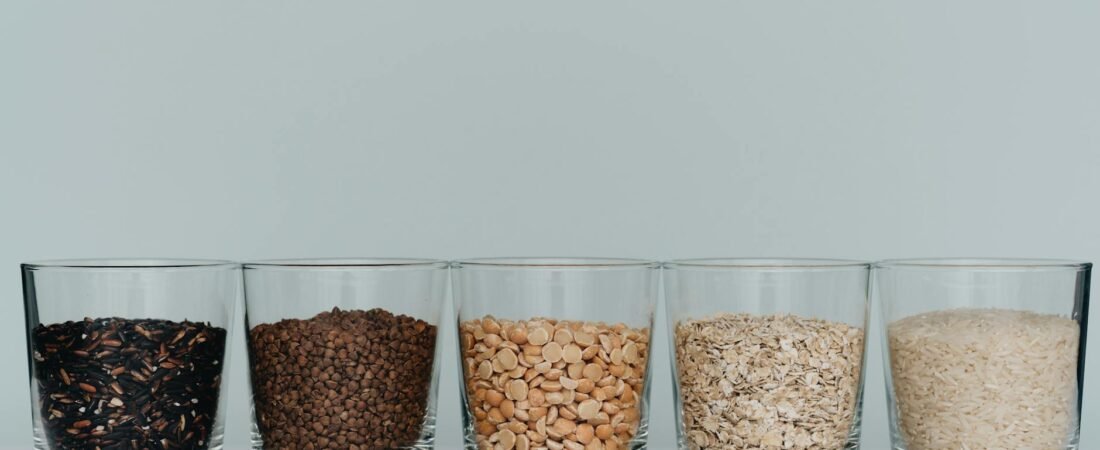
The most expensive vegan lunch is often not the lunch itself. It is the lunch that leaves you hungry at 3 p.m., buying a protein bar, chips, or even a second meal before dinner. A lot of vegan lunches fail because they are built like side dishes: greens, a little dressing, maybe a wrap, and not much substance. Fiber can help keep hunger in check, and plant proteins such as beans, lentils, nuts, seeds, and soy foods add the staying power many skimpy lunches lack. (nutritionsource.hsph.harvard.edu)
- A filling vegan lunch usually needs four parts: a real protein anchor, a slow-carb base, plenty of produce, and a modest fat source. (myplate.gov)
- Use the 4-Hour Vegan Lunch Score in this article: 8 to 10 points is usually sturdy enough to get most people through the afternoon.
- Budget workhorses like lentils, black beans, split peas, brown rice, and frozen vegetables usually beat trendy packaged vegan meals on cost per filling serving. (myplate.gov)
- Cold lunches can still work, but plain salad kits and snacky lunches usually need more heft from beans, tofu, whole grains, nuts, or seeds. (myplate.gov)
- When you buy convenience foods, check serving size, fiber, added sugars, and sodium on the Nutrition Facts label before assuming the package is lunch. (fda.gov)
Why some vegan lunches fall apart by 3 p.m.
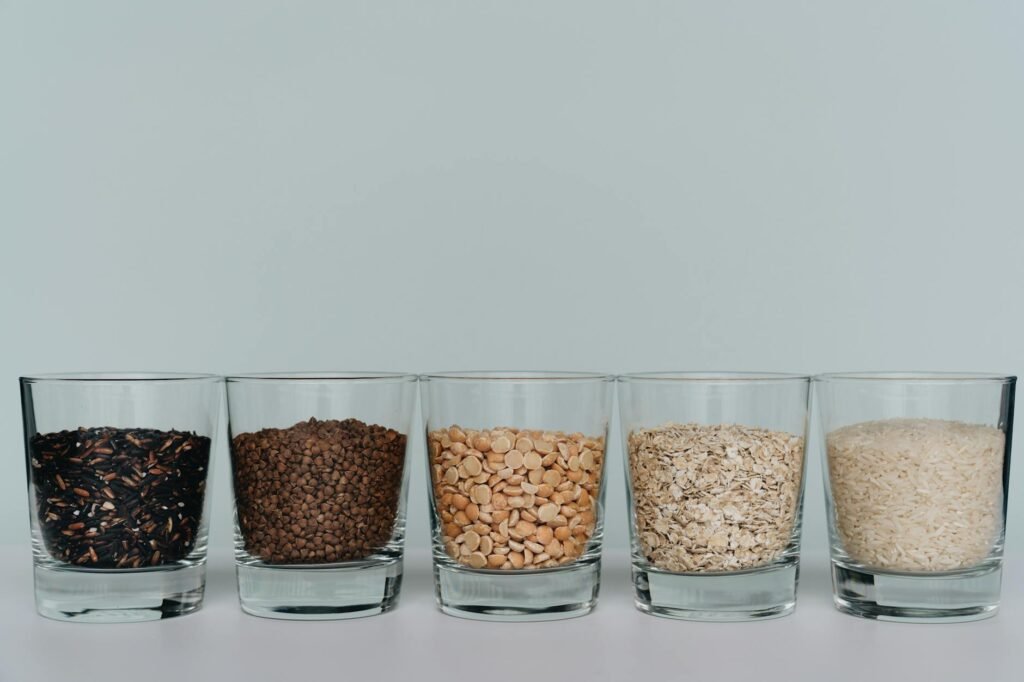
A lunch heavy on raw vegetables and light on protein or fat can look healthy and still be a weak value. Whole grains, legumes, nuts, seeds, and soy foods generally do more to steady appetite because they bring fiber, protein, and slower-digesting carbohydrates rather than just quick starch or sugary sauces. Harvard’s nutrition guidance also notes that fiber helps regulate the body’s use of sugars, which is one reason bean-and-grain lunches often feel steadier than crackers and fruit alone. (nutritionsource.hsph.harvard.edu)
Use the 4-Hour Vegan Lunch Score
The 4-Hour Vegan Lunch Score is an editorial planning tool, not a medical formula, but it is useful because it turns broad guidance into a quick test you can use while packing a bowl, wrap, or soup-and-side lunch. Start with the plant protein options MyPlate highlights for vegetarians and vegans, then build around whole grains or other minimally processed carbs and finish with a fat source that makes the meal feel complete. (myplate.gov)
- Protein anchor, 3 points: a clear main ingredient such as beans, lentils, tofu, tempeh, or edamame. If you have to hunt for the protein, the lunch probably will not last.
- Slow-carb base, 2 points: brown rice, quinoa, farro, barley, potatoes, whole-grain pasta, or a sturdy whole-grain wrap.
- Produce with chew, 2 points: at least two good handfuls of vegetables or one handful of vegetables plus fruit. Crunchy or roasted vegetables usually hold better than watery greens alone.
- Satisfying fat, 2 points: tahini, peanut sauce, nuts, seeds, avocado, or olive-oil dressing.
- Easy-to-eat factor, 1 point: a lunch you can finish comfortably at work. If it is messy, bland, or awkward to eat cold, you are more likely to under-eat and snack later.
How you know whether your score falls between 0%(very bad) through 10%(excellent) will help determine if you’ve had an overall good quality of a lunch (is there protein; complex carbohydrates; vegetables; healthy fat, etc.)! If your total score=8-10, most likely your lunch is meal based. If your score=6-7…yep, generally you are lucky if you’ve gotten a side item (fruit, edamame, soy yogurt). Lastly, if you receive a score of 5 or less, most likely it was more a ‘snack-based’ type lunch!
Which lunch format makes the most sense?
| Lunch | What is in it | Sample at-home cost | 4-Hour Score | Best for |
|---|---|---|---|---|
| Lentil-quinoa crunch bowl | Lentils, quinoa, crunchy vegetables, pumpkin seeds, tahini | $3.50 to $4.50 | 9/10 | Meal prep and desk lunches |
| Tofu peanut slaw bowl | Tofu or tempeh, brown rice, cabbage, carrots, peanut sauce | $4.00 to $5.25 | 9/10 | Bigger appetites |
| Black bean sweet potato burrito bowl | Black beans, sweet potatoes, brown rice, salsa, avocado or pepitas | $3.25 to $4.50 | 8/10 | Cheap batch cooking |
| White bean pasta salad | Whole-grain or bean pasta, white beans, spinach, tomatoes, olives | $3.75 to $5.25 | 8/10 | No reheat needed |
| Split pea soup combo | Split pea or lentil soup, whole-grain toast, walnuts | $2.75 to $4.00 | 8/10 | Lowest-cost rotation |
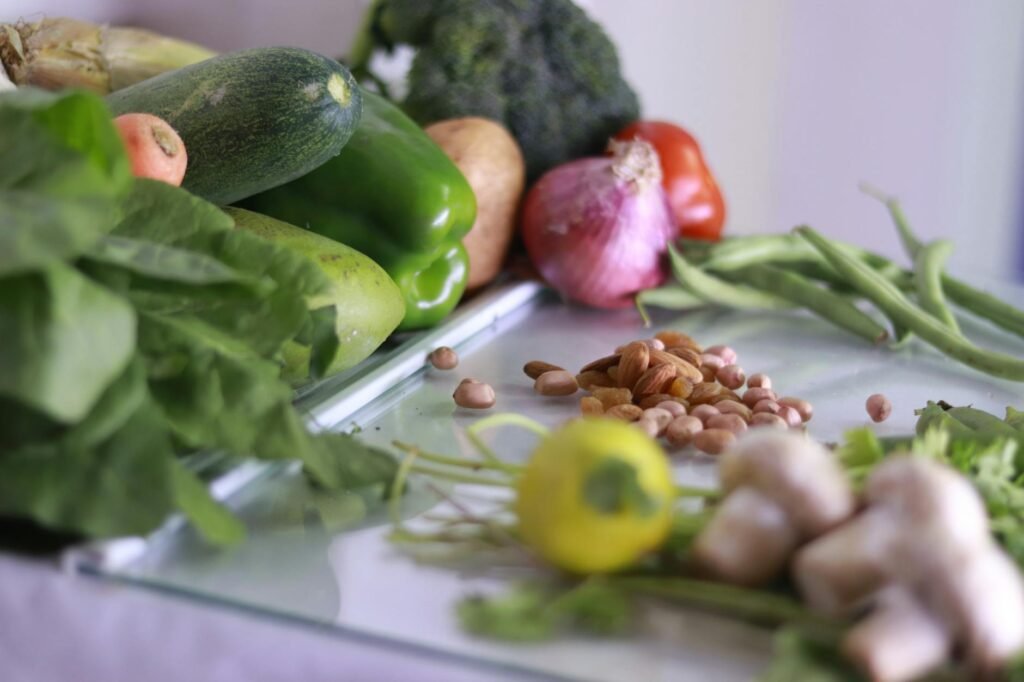
If you need the cheapest reliable starting point, dried lentils, split peas, rice, frozen vegetables, and peanut or tahini sauce are hard to beat. MyPlate also highlights beans, peas, and lentils as low-cost protein foods. (myplate.gov)
Five vegan lunches worth repeating
1. Lentil-quinoa crunch bowl
Start with lentils and quinoa, then add chopped cucumber, carrots, red cabbage, pumpkin seeds, and a lemon-tahini dressing. This lunch works because lentils are an inexpensive source of protein and fiber, the grain adds chew, and the seeds plus tahini keep it from tasting austere. If you want to lower the cost, replace half the quinoa with brown rice and use whatever crunchy vegetables are already in the fridge. (nutritionsource.hsph.harvard.edu)
2. Tofu brown rice peanut slaw bowl
Use baked tofu or tempeh, brown rice, shredded cabbage, carrots, scallions, and a peanut-lime sauce. This is the lunch for people who say vegan meals do not stay with them, because soy gives the bowl a clear protein center instead of asking vegetables to do all the work. It also holds well for meal prep and tastes good cold or at room temperature, which matters more than people admit. (myplate.gov)
3. Black bean sweet potato burrito bowl
Layer black beans, roasted sweet potatoes, brown rice, corn, salsa, and avocado or pepitas. The sweet potato makes the bowl feel like a real lunch, not diet food, while the beans provide the bulk and fiber that can help keep afternoon snack urges down. This is also one of the cheapest big-batch options because canned beans and a sheet pan of sweet potatoes can cover several lunches. (myplate.gov)
4. White bean pasta salad that actually counts as lunch
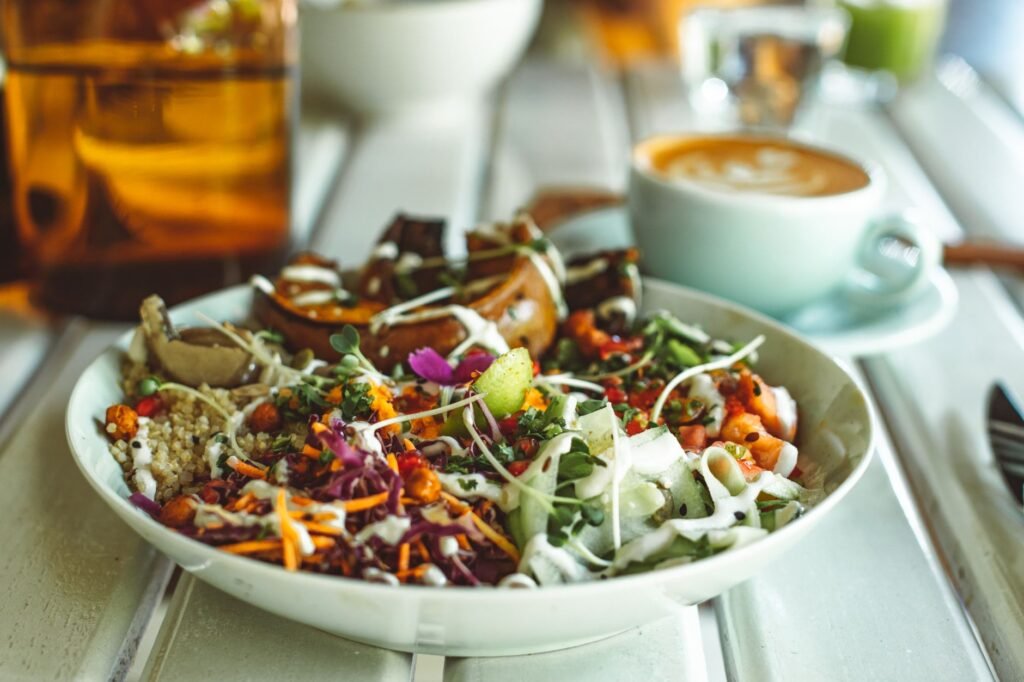
For a no-reheat option, mix whole-grain or bean-based pasta with white beans, chopped spinach, cherry tomatoes, olives, red onion, and a punchy vinaigrette. Pasta salad becomes much more useful when it is treated like a bean salad with pasta in it, not the other way around. If you buy packaged pasta or wraps regularly, Harvard’s 10:1 carbohydrate-to-fiber shortcut is a practical screen for stronger whole-grain choices. (nutritionsource.hsph.harvard.edu)
5. Split pea soup, toast, and walnuts
Soup alone is often not enough, but split pea or lentil soup plus whole-grain toast and a small handful of walnuts is a different story. Legume soups are cheap, freezer-friendly, and naturally hearty; the toast gives you something substantial to chew, and the nuts make the meal feel finished instead of thin. This is the best option here for anyone who wants a very low-cost lunch rotation without living on cold bowls. (myplate.gov)
What the math looks like over a work month
Here is a realistic work example. Say an employee buys a $7.25 vegan salad or sandwich three times a week, then spends another $4.50 on a drink and snack because lunch did not hold. That is $35.25 a week. Swap in a homemade lentil bowl at about $4.25 a serving and the weekly total drops to $12.75 for those three days. The difference is $22.50 a week, or roughly $90 over a four-week month. The point is not that homemade lunch is always cheaper than takeout. It is that a filling lunch can lower the hidden snack bill too.
How to prep this without turning Sunday into a second job
- Cook one protein base for three or four lunches: a pot of lentils, a tray of baked tofu, a batch of black beans, or split pea soup.
- Cook one grain or starch: brown rice, quinoa, farro, roasted potatoes, or whole-grain pasta.
- Make one strong sauce. Tahini lemon, peanut lime, chimichurri, or a sharp vinaigrette can rescue otherwise repetitive lunches.
- Prep two vegetables with different textures, such as crunchy cabbage and roasted peppers, so the meals do not all feel the same.
- Pack one planned backup item, like fruit, edamame, or soy yogurt. A planned side is cheaper than an emergency vending-machine run.
Common mistakes that make a vegan lunch feel light
- Treating salad greens as the whole lunch. Greens are a base, not the meal.
- Relying on refined snack foods. Crackers, pita chips, and sweet granola bars can turn lunch into a short-lived carb hit instead of a real meal.
- Skipping fat entirely. A lunch with no tahini, avocado, nuts, seeds, or olive-oil dressing often tastes virtuous and eats like deprivation.
- Buying convenience vegan foods without reading the label. FDA’s Nutrition Facts guidance is the right place to compare serving size, added sugars, and other details, and the FDA notes that most dietary sodium comes from packaged and prepared foods. (fda.gov)
- Making every lunch cold and raw. If you are constantly unsatisfied, try one warm component, like roasted potatoes, rice, soup, or toasted bread.
When the first plan still is not enough
These templates are not a good fit for everybody; if you do manual labor/physical jobs, are highly active, are pregnant or simply eat more than average amounts of food than you may require a larger/full serving or a deliberate side to support that. For those that suffer from any type of digestive disorders you may be best served by consuming gentler sources of dietary fiber such as softer types of beans, tofu or well cooked vegetables prior to instituting the consumption of large quantities of raw salads or wraps that are high in fibre. Additionally if someone does not have access to refrigerators or microwaves then the portability of a food option is more important than the ideal standard of the product.
- No fridge: pouch lentils, whole-grain crackers, nut butter, fruit, and roasted chickpeas can make a respectable desk lunch.
- Soy-free: lean harder on lentils, chickpeas, black beans, hemp seeds, pumpkin seeds, and nut-based sauces.
- Gluten-free: use rice, quinoa, potatoes, or corn tortillas instead of wraps and pasta.
- Big appetite day: add fruit and a cup of edamame or a soy yogurt rather than pretending the standard portion should be enough.
How to pressure-test your lunch before you repeat it
- Read serving size first. FDA label guidance reminds shoppers that the numbers on the Nutrition Facts panel are tied to the listed serving, which matters a lot with soups, wraps, snack boxes, and frozen meals. (fda.gov)
- Then scan fiber, protein, added sugars, and sodium. A lunch that looks wholesome can still be light on fiber or surprisingly high in sodium. (fda.gov)
- For breads, wraps, and cereals, the 10:1 carbohydrate-to-fiber rule is a useful shortcut when you want stronger whole-grain picks. (nutritionsource.hsph.harvard.edu)
- Conduct a hunger audit for 5 days (when you started lunch, when you began feeling hungry again, if you bought a snack). If you start feeling hungry within 3 hours after lunch, then add extra protein or fat. If you feel sluggish versus hungry, eat less sugar or refined carbohydrates in your sauces.
If you eat fully vegan, think beyond lunch. NIH’s Office of Dietary Supplements says people who eat little or no animal foods may not get enough vitamin B12, and people eating mostly plant-based diets may need to pay closer attention to iron. MyPlate also points vegans toward fortified soy products and tofu as useful calcium sources. If you are pregnant, have anemia, diabetes, kidney disease, or a GI condition, get personalized advice from a clinician or registered dietitian. (ods.od.nih.gov)
Bottom line
Your lunch does not have to be beautiful to be an amazing meal. When you eat an excellent plant-based meal, you shouldn’t feel hungry for at least 4 hours afterward and it should not make you want to buy a snack later in the day. A good way to accomplish that is by building a meal with a good source of protein, complex carbohydrates, vegetables and some healthy fats. You can typically put a meal together by using everyday grocery items instead of specialty items.
Can a salad be filling enough for lunch?
Only if the meal has protein can it qualify as a complete meal. Make sure that you include either protein-rich grains (rice, quinoa), potatoes and/or legumes (beans, lentils, tofu, tempeh) or some form of protein in the meal (like nuts, seeds, avocados, etc). If your main component meets this criteria, then consider it to be your base and all your other items to be “topper” type ingredients or add-ons to your meal. Most leafy green salads only qualify as being the beginning of a meal (appetizer), rather than being a complete meal, by themselves.
What is the cheapest filling vegan lunch?
Usually some version of lentils, split peas, or beans with rice, potatoes, or toast. Legumes are one of the most budget-friendly ways to add protein and fiber, which is why soups, chili, and grain bowls are such reliable value lunches. (myplate.gov)
Do I need mock meat or high-protein pasta to stay full?
No. MyPlate’s vegetarian protein options already include beans, peas, lentils, nuts, seeds, and soy products. Convenience items can help with variety, but they are not required for a filling vegan lunch. (myplate.gov)
How can I tell if a packaged vegan lunch will actually hold me?
Start with serving size, then check fiber, protein, added sugars, and sodium on the Nutrition Facts label. For grain products, the 10:1 carbohydrate-to-fiber shortcut is a good extra check. (fda.gov)
Do I need to think about B12 if I eat vegan lunches most weekdays?
If the rest of your diet is also mostly vegan, yes. NIH notes that people who eat little or no animal foods might not get enough vitamin B12 from food alone, so fortified foods or supplements are often part of the plan. (ods.od.nih.gov)
References
- MyPlate Protein Foods Group – https://www.myplate.gov/web/web/eat-healthy/protein-foods
- MyPlate Enjoy Vegetarian Meals – https://www.myplate.gov/web/tip-sheet/enjoy-vegetarian-meals
- Harvard Nutrition Source: Fiber – https://nutritionsource.hsph.harvard.edu/carbohydrates/fiber/
- Harvard Nutrition Source: Legumes and Pulses – https://nutritionsource.hsph.harvard.edu/legumes-pulses/
- Harvard Nutrition Source: Whole Grains – https://nutritionsource.hsph.harvard.edu/what-should-you-eat/whole-grains/
- FDA: The Nutrition Facts Label – https://www.fda.gov/food/nutrition-education-resources-materials/nutrition-facts-label
- FDA: Sodium in Your Diet – https://www.fda.gov/food/nutrition-education-resources-materials/sodium-your-diet
- NIH ODS: Vitamin B12 Consumer Fact Sheet – https://ods.od.nih.gov/factsheets/VitaminB12-Consumer/?redirect=false
- NIH ODS: Iron Consumer Fact Sheet – https://ods.od.nih.gov/factsheets/iron-Consumer/
- MyPlate Budget Tips – https://www.myplate.gov/eathealthy/budget/budget-price-tag