TL;DR
- Most disappointing vegan dinners fail for three ordinary reasons: one-note texture, weak seasoning, and no real plan for satiety.
- Use the 6-Point Vegan Satisfaction Audit before serving: score texture, flavor, and staying power from 0 to 2 each.
- Brown vegetables harder than you think, season tofu before saucing, and treat beans and lentils like main ingredients instead of filler.
- Keep a cheap rescue kit on hand: something crunchy, something acidic, a salty umami booster, and a ready starch.
- If dinner still feels flat, fix contrast first, then seasoning, then meal structure.
Most disappointing vegan meals are not failing because they lack meat. They fail because the plate is all soft, the seasoning is timid, and nothing on it feels substantial enough to count as dinner. Harvard’s Nutrition Source specifically points to legumes, nuts, and soy foods as ways to build texture, protein, satiety, and budget-friendly plant-based meals, while MyPlate classifies beans, peas, and lentils as both vegetable and protein foods. That is good news for your wallet: when technique improves, you usually need fewer specialty products and throw away less food. (nutritionsource.hsph.harvard.edu)
Start with the 6-Point Vegan Satisfaction Audit
Prior to making an evaluation on a recipe being bad or unusable, review it on these three scales. This is a quick initial check, not a purity test. If the recipe evaluates out less than 4, it typically will taste more like a side item; if it evaluates out at five or six, the dish typically will taste complete enough that you have no real desire to go looking for chips / snacks, etc., an hour later.
- Texture: 0 if everything is soft, 1 if there are two textures, 2 if there is clear contrast such as creamy plus crisp or chewy plus crunchy.
- Flavor: 0 if it tastes flat, 1 if it is salted but dull, 2 if it has aromatics plus either acid, heat, or umami.
- Staying power: 0 if it is mostly vegetables, 1 if it has either a protein or a starch, 2 if it has a protein anchor, a real carb base, and a little richness.
- Recovery rule: If texture is low, add crunch or browning before adding more sauce.
- Recovery rule: If flavor is low, add salt, acid, or an umami ingredient before adding more sweetener.
- Recovery rule: If staying power is low, add beans, lentils, tofu, grains, potatoes, bread, nuts, or a creamy sauce.
The mistakes that sabotage vegan dinners
Mistake 1: Serving a plate with only soft textures
A bowl of rice, beans, and steamed vegetables can be perfectly reasonable on paper and still feel disappointing in your mouth. Harvard’s Nutrition Source recommends building texture, protein, and satiety with legumes, nuts, and soy foods, and it also calls mushrooms out for their umami-rich flavor and meaty texture. If every bite is soft, wet, and samey, the meal can read like reheated leftovers even when it is fresh. (nutritionsource.hsph.harvard.edu)
It can be simple to fix. You can combine a soft item with a browned/chewy item and a crispy finish to create your dish’s structure. For example, you could have white beans with xxxxx broccoli and xxxxx bread crumbs. Or xxxxx lentils with xxxxx mushrooms and xxxxx cabbage. You can also add xxxxx to make your vegan dish feel complete. Examples of this would be xxxxx, xxxxx, or xxxxx.
Mistake 2: Expecting tofu to taste good without dry heat and assertive seasoning
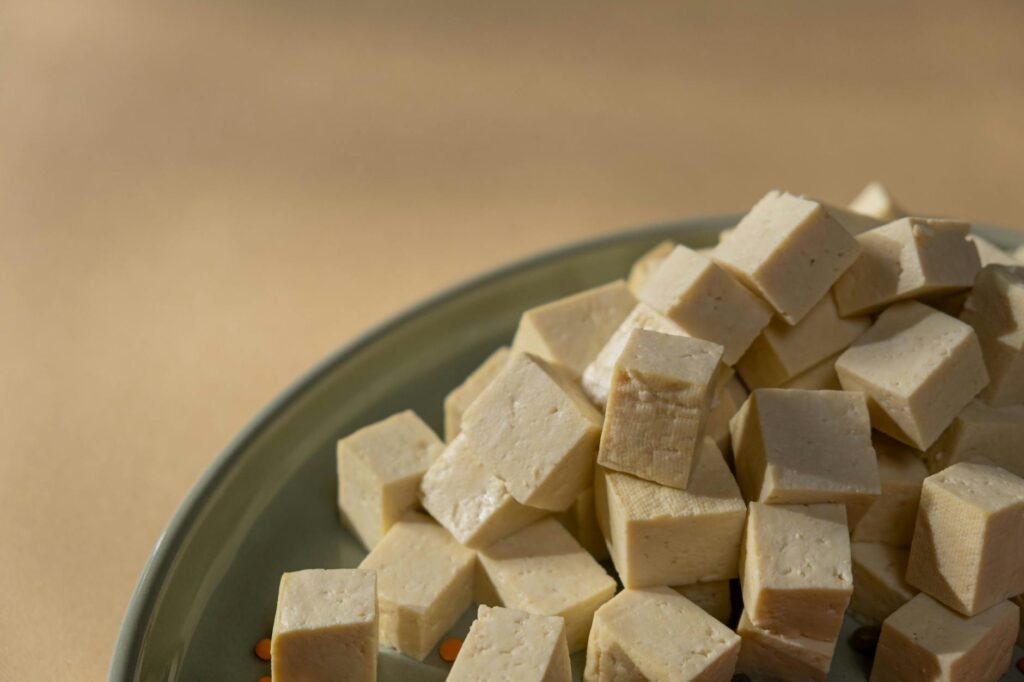
Tofu gets blamed for blandness when the real issue is passive cooking. Harvard notes that tofu becomes much more appealing when it is cooked with aromatics, spices, and umami-rich soy sauce. In other words, tofu is not the flavor. It is the carrier. If you slide a wet block into a lukewarm pan and drown it in sauce, you do not get crisp edges or deep flavor. (nutritionsource.hsph.harvard.edu)
For weeknight tofu that actually satisfies, dry the surface well, season early, and let it brown before the sauce goes in. Tear it instead of cutting perfect cubes if you want more rough edges. If you marinate ahead, keep it in the refrigerator; the FDA advises marinating food in the fridge, not on the counter. (fda.gov)
Fast tofu rule: brown first, sauce last. If the pan is crowded and wet, you are steaming dinner, not building texture.
Mistake 3: Treating beans and lentils like a shortcut instead of a cooking method
Beans and lentils are inexpensive, filling, and genuinely versatile, but they still need handling. Colorado State University Extension notes that soaking dry beans can shorten cooking time, that adding salt to the soaking water can help prevent splitting, and that lentils do not need soaking. That last point matters because lentils are one of the easiest cheap proteins to practice with when you want reliable texture fast. (extension.colostate.edu)
If dried beans are your budget move, great, but do not let thrift create bad meals. The American Heart Association notes that 1 pound of dried beans makes about 6 cups cooked, a little more than four cans, so batch-cooking can stretch a grocery budget. But canned beans are still a smart weeknight tool. Use them when time is tight, then season them as if you cooked them yourself instead of treating them like a neutral filler. (heart.org)
Dry kidney beans are a safety exception. Utah State University Extension warns that slow cookers may not reach a high enough temperature for dry kidney beans and recommends boiling them on the stovetop for 10 minutes before continuing with the recipe. (extension.usu.edu)
Mistake 4: Using vegetables as bulk instead of flavor
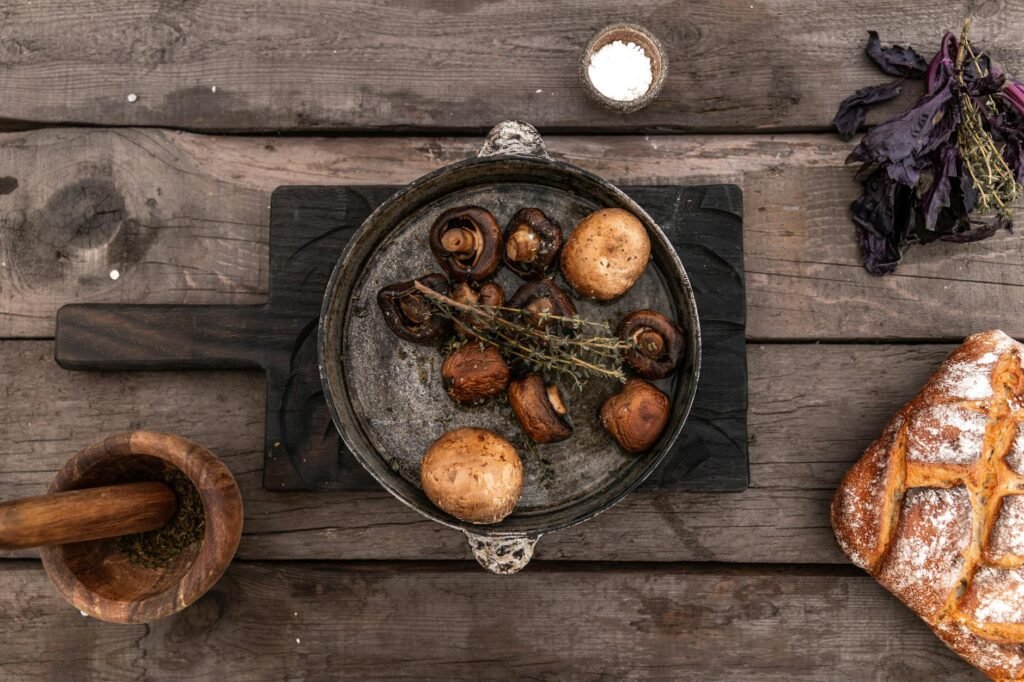
A lot of vegan cooking gets dull because the vegetables are merely cooked, not transformed. Harvard notes that roasting, grilling, sautéing, and caramelizing vegetables can increase umami. University extension guidance also points out that roasting brings out flavor and natural sweetness and can caramelize the outside for a sweet, crispy result. If your vegetables are pale and watery, they are taking up space on the plate without adding much satisfaction. (nutritionsource.hsph.harvard.edu)
Rather than attempting to give each vegetable the very same task of cooking, in most situations, try cooking your carrots and cauliflower by roasting them instead. For mushrooms, sear them on the stove until you get the aroma of barbecue, and while cooking, your last ingredient should contain something fresh or bright that has a flavor profile, such as lemon or herbs. When you have vegetables with sweet and savoury notes combined, you will have to use less bottled sauce to make your finished dish more complete.
Mistake 5: Leaving out the satisfaction layer
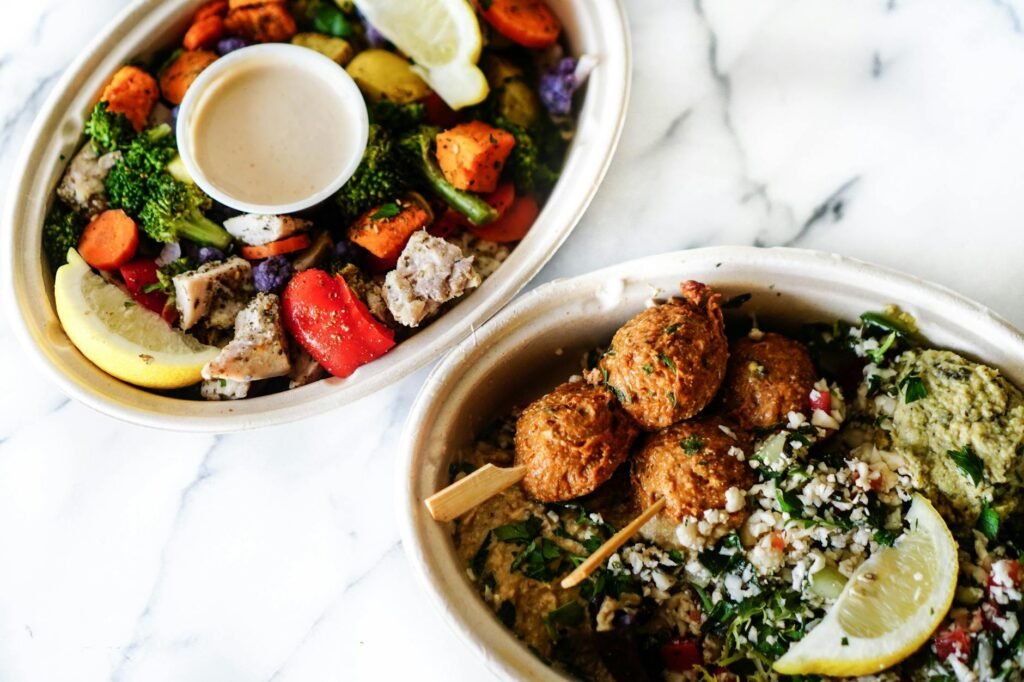
A common vegan cooking error is building a beautiful vegetable side dish and calling it dinner. MyPlate includes beans, peas, lentils, and soy products in the protein foods group, and Harvard highlights legumes, nuts, and soy foods as ways to add texture, protein, and satiety to plant-based meals. The American Heart Association also notes that beans and legumes may help you feel full longer because of their fiber. (myplate.gov)
In reality, to really enjoy a plant-based meal, you typically need at least three elements: a protein source, carbohydrates, and fat. So having some roasted broccoli that was seasoned with lemon isn’t enough for most people to feel satisfied. But if you add some rice, lentils, and tahini which would give you a much more fulfilling experience. If you finish the meal while looking through the cupboards for desserts or snacks then more than likely it will be because of poor design; in this case the
The way your meal is constructed determines how hungry you will be afterwords.
Mistake 6: Spending like a convenience eater
People often decide vegan cooking is expensive after buying premium faux meats, multiple sauces, vegan cheese, and single-use ingredients before learning how to cook beans, lentils, tofu, and vegetables well. That is upside-down. Dried beans are an inexpensive pantry staple, and the American Heart Association notes that one pound makes about 6 cups cooked. Technique usually saves more money than realism. (heart.org)
Here is a realistic weeknight comparison. Two plant-based burger patties at $7.49, buns at $3.29, vegan cheese at $4.49, and a bottled sauce at $4.99 totals $20.26 before produce. A lentil-mushroom taco filling might use a $1.79 bag of lentils, $3.99 mushrooms, a $0.89 onion, pantry spices, and tortillas you already have. Prices vary by store and region, but the pattern holds: if your food keeps depending on mimic products to feel substantial, dinner gets expensive fast.
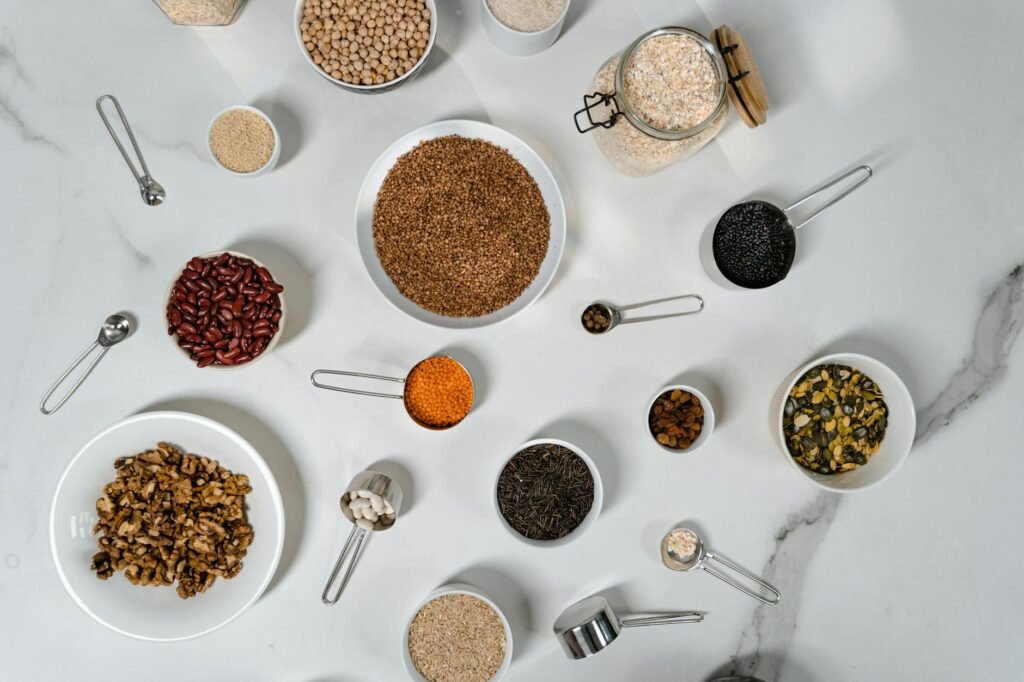
A better match: choose the base for the texture you actually want
| If you want… | Use this base | Best treatment | Fast flavor move | Budget note |
|---|---|---|---|---|
| Crumbly taco or meat-sauce texture | Brown lentils plus chopped mushrooms | Simmer lentils just until tender; brown mushrooms hard before combining | Tomato paste, cumin, soy sauce, and lime | Usually cheaper than packaged plant-based crumbles |
| Crispy bite in a bowl or stir-fry | Extra-firm tofu | Dry it well, season it, and brown it before adding sauce | Garlic, ginger, soy sauce, and chili crisp | One block can stretch across 2 to 3 bowls |
| Creamy comfort | White beans or chickpeas | Blend part of the batch into the sauce and leave part whole | Lemon plus tahini or olive oil | Often cheaper than specialty vegan cream sauces |
| Crunchy finish | Roasted chickpeas, toasted nuts, or breadcrumbs | Cook separately so they stay crisp | Smoked paprika, black pepper, or flaky salt | A small amount can rescue a large batch of food |
A 20-minute dinner rescue when the pan is going wrong
- Stop adding liquid. If the meal is already wet, more broth or sauce usually makes texture worse.
- Pull out one component to brown separately. Mushrooms, tofu, onions, cabbage, breadcrumbs, or chickpeas can all become the high-contrast element.
- Make a small flavor cup: one salty or umami ingredient, one acid, and one fat. For example: soy sauce, lemon juice, and tahini; or miso, vinegar, and olive oil.
- Add a real dinner base if it is missing. Leftover rice, toast, potatoes, tortillas, or noodles can turn a good topping into an actual meal.
- Finish with something fresh or crisp. Herbs, slaw, scallions, toasted seeds, or chopped pickles can wake up a heavy dish fast.
- Serve components with a little separation instead of stirring everything into one soft mass. The plate usually eats better that way.
When the first fix still does not save dinner
Breaking tofu apart if it didn’t crisp can be a solution. You may also blend them into a soup or sauce if veggies became mushy. Replacing underdone beans with canned beans will allow you to use the dried beans later after they’re finished cooking. The purpose of cooking vegan meals is to be very flexible and to not waste as much. Therefore, if you tried to force the recipe you created onto every dish, it would be wasting your money and would cost you more to complete.
- If everything is wet, pivot to stew, curry, or soup instead of chasing crispness that is gone.
- If dinner tastes earthy but flat, add acid before adding more salt.
- If the meal is decent but not filling, add bread, rice, noodles, or potatoes before buying more ingredients.
- If the flavors are muddy, simplify: one herb, one acid, one savory booster.
- If someone at your table is new to vegan food, lead with sweeter roasted vegetables, familiar grains, and a sauce with clear salt-acid balance.
Common mistakes that cost flavor and money
- Buying soft tofu for a recipe that needs browned edges.
- Adding sauce before anything has had a chance to brown.
- Cooking mushrooms until gray instead of savory.
- Serving beans plain and expecting the topping to do all the work.
- Making every element soft: rice, beans, avocado, and steamed vegetables in one bowl.
- Skipping acidity at the end and then overcorrecting with extra salt.
- Buying multiple vegan substitute products for one dinner instead of using one solid protein and pantry seasonings.
- Mixing crunchy toppings into leftovers instead of storing them separately.
How to pressure-test whether your vegan cooking is actually improving
Never evaluate a dish solely based on how hot it was when served. Test it out by doing the Vegan Satisfaction Audit first. Then, when something in the centre of the dish starts to get bland or have no flavour, stop adding sauce. Finally, re-evaluate the same dinner dish the following day (by examining the texture of all components) – If you found some elements of the dish had turned mushy the following day, separate all crunchy (crisp) elements and acidic finishes the next time you make the dish. Last, evaluate the cost of having a satisfying meal – The cost for each hourly portion was much lower than the cost for each entire family remaining hungry after the meal.
- Write down the audit score for one week of dinners.
- Note which meals needed a rescue sauce or an extra snack later.
- Reheat leftovers once and see which textures hold up.
- Keep the winners: one tofu method, one lentil method, one roasted vegetable method, and one crunchy finish.
Bottom line
Vegan food usually fails for very ordinary cooking reasons. Too soft. Too pale. Too underseasoned. Too little structure. Fix those, and beans, lentils, tofu, and vegetables start tasting like dinner instead of compromise. Once that happens, meals get more satisfying and usually less expensive too. (nutritionsource.hsph.harvard.edu)
FAQ
Do I need to press tofu every time?
All tofu recipes do not require a long pressing time before use, although creating crisp edges or achieving a true brown coloring on the exterior of the tofu requires starting with drier surfaces. Conversely, if you are blending the tofu into a sauce or using the tofu in any other softer preparation, the amount of dried tofu is less relevant than for creating a crisp outside.
Are canned beans a compromise?
No. They are convenient and affordable, and if sodium is a concern, the American Heart Association recommends choosing low-sodium or no-salt-added options or rinsing and draining regular canned beans. (heart.org)
Why do my roasted vegetables taste sweet but still flat?
Roasting can bring out flavor, natural sweetness, and some crispness, but that does not automatically create a complete dish. You still usually need salt, acid, and a little richness or umami. (extension.unh.edu)
Can I make satisfying vegan dinners without fake meat?
Yes. MyPlate includes beans, peas, lentils, and soy in the protein foods group, and Harvard highlights legumes, nuts, and soy foods as ways to add texture, protein, and satiety to plant-based meals. (myplate.gov)
What is the cheapest protein to practice with first?
Lentils are a strong place to start because Colorado State University Extension notes they do not need soaking, and dried beans are extremely economical. The American Heart Association says a pound of dried beans makes about 6 cups cooked. (extension.colostate.edu)
Can I cook dry kidney beans straight in a slow cooker?
That is not a good plan. Utah State University Extension warns that slow cookers may not reach a high enough temperature for dry kidney beans and recommends boiling them on the stovetop for 10 minutes first. (extension.usu.edu)
References
- Harvard T.H. Chan School of Public Health, Prioritize hearty and savory plant-based preparations – https://nutritionsource.hsph.harvard.edu/elevate-your-plate/
- MyPlate, Beans, Peas, and Lentils – https://www.myplate.gov/beans-and-peas
- Harvard T.H. Chan School of Public Health, Mushrooms – https://nutritionsource.hsph.harvard.edu/food-features/mushrooms/
- Harvard T.H. Chan School of Public Health, Spicy Lemongrass Tofu with Asian Basil – https://nutritionsource.hsph.harvard.edu/spicy-lemongrass-tofu-with-asian-basil/
- Colorado State University Extension, Cooking Dry Beans – https://extension.colostate.edu/resource/cooking-dry-beans/
- Utah State University Extension, Killer Kidney Beans – https://extension.usu.edu/nutrition/research/killer-kidney-beans.php
- FDA, Barbecue Basics: Tips to Prevent Foodborne Illness – https://www.fda.gov/consumers/consumer-updates/barbecue-basics-tips-prevent-foodborne-illness
- University of New Hampshire Extension, Fresh Vegetables – Roasted – https://extension.unh.edu/recipe/fresh-vegetables-roasted
- South Dakota State University Extension, Root Vegetables & Sheet Pan Cooking – https://extension.sdstate.edu/root-vegetables-sheet-pan-cooking
- American Heart Association, The Benefits of Beans and Legumes – https://www.heart.org/en/healthy-living/healthy-eating/eat-smart/nutrition-basics/the-benefits-of-beans-and-legumes
- American Heart Association, Save Money by Making Beans From Scratch – https://www.heart.org/en/healthy-living/healthy-eating/cooking-skills/shopping/save-money-by-making-beans-from-scratch
- American Heart Association, Fresh, Frozen or Canned Fruit and Vegetables: All Can Be Healthy Choices – https://www.heart.org/en/healthy-living/healthy-eating/add-color/fresh-frozen-or-canned-fruits-and-vegetables-all-can-be-healthy-choices