The hard part is not making a vegan dinner. The hard part is making one that does not immediately register as “the vegan version” while everyone else starts looking for toast, chips, or a backup plan. Whole-table comfort food works best when it looks like dinner people already understand: baked pasta, chowder, sloppy joes, shepherd’s pie, or mac and cheese. From a grocery-budget standpoint, that usually means leaning on beans, lentils, tofu, potatoes, pasta, and a few strong pantry flavors instead of buying a different specialty substitute for every meal. Beans, peas, and lentils can count as protein foods, and meal planning before shopping is a basic budget strategy promoted by MyPlate and Nutrition.gov. (myplate.gov)
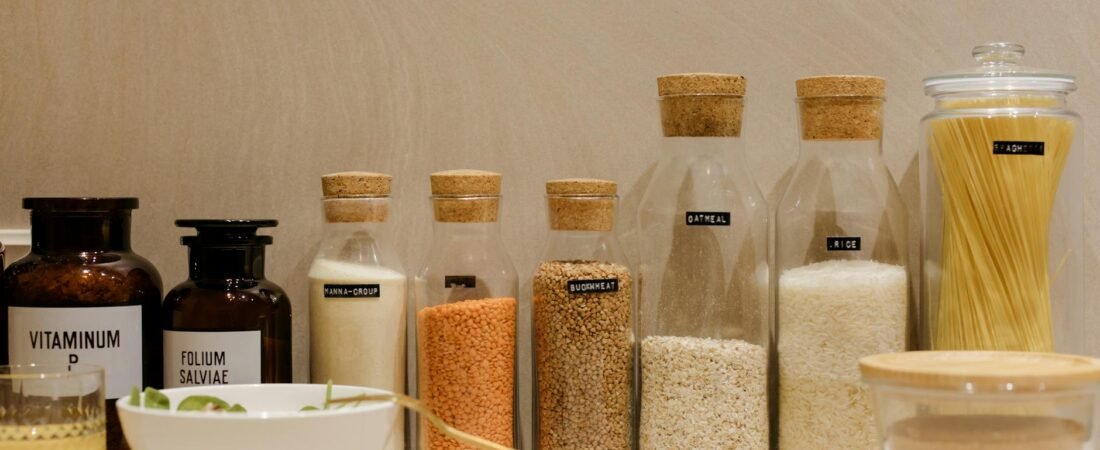
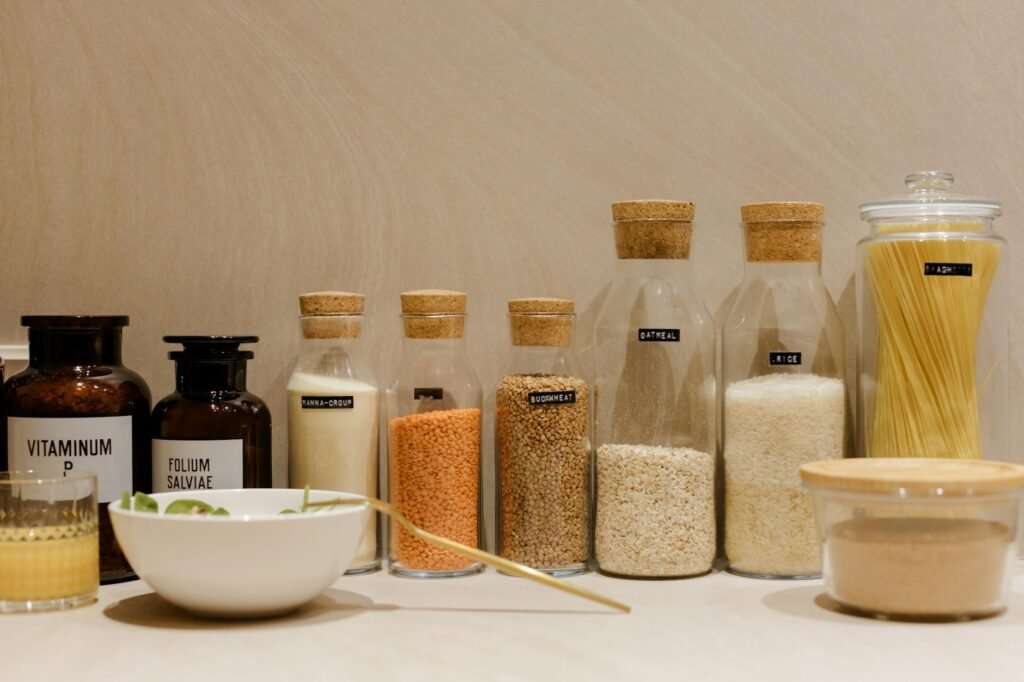
This approach is for mixed tables: one vegan, one skeptical omnivore, kids who want dinner to look normal, or anyone trying to cut food spending without turning every meal into a nutrition project. The goal is not perfect imitation. The goal is a meal that is hearty, recognizable, and affordable enough to make again next week. Repeating ingredients, buying staples like rice, oats, dried beans, and lentils in bulk when the unit price makes sense, and mixing fresh produce with frozen or canned options can make that easier. MyPlate also notes that frozen and canned produce can be just as healthy as fresh, which matters when convenience is what keeps takeout off the credit card. (myplate.gov)
TL;DR
- Start with a familiar dinner format first, then make it vegan. A recognizable shape does more for acceptance than the most convincing meat substitute.
- Use one clear protein anchor per dish, not a pile of random add-ins. The meal should read as a main course, not a side.
- Plan meals before you shop, repeat ingredients across recipes, and rely on pantry, frozen, and canned items to help keep the grocery bill under control. (nutrition.gov)
- For creamy savory dishes, fortified soy beverage is often the safest all-purpose plant milk if you want nutrition closer to dairy, and leftovers should be refrigerated within 2 hours and generally used within 3 to 4 days. (fda.gov)
Start with the Whole-Table Comfort Filter
The simplest, most beneficial tool presented in this article is the Whole-Table Comfort Filter and is also the easiest to use. When selecting a vegan comfort recipe, use the Whole-Table Comfort Filter to evaluate the recipe. If the recipe meets four or more of the five markers on the filter, the recipe should feel familiar enough to a mixed household. If the recipe meets only two or three of these markers, it could still taste good, but will most likely be classified as a “healthy food,” rather than a “comfort food.”
- Recognizable form: baked pasta, stew, sandwich, casserole, pie, or soup.
- Familiar starch: pasta, potatoes, bread, rice, tortillas, or biscuits.
- Visible protein anchor: lentils, beans, tofu, tempeh, or a store-bought vegan protein you actually buy more than once.
- Savory depth: browned onions, mushrooms, tomato paste, bouillon, soy sauce, miso, mustard, or smoked spices.
- Optional finish: toasted breadcrumbs, pickles, herbs, crunchy onions, hot sauce, or another topping that lets diners customize.
This filter is important because it helps to address an everyday problem found in the home. When eating, a meal can be very healthy; however, if the meal appears to be thin, unfamiliar, or incomplete at the table, the taste will also be greatly reduced. Comfort food, in general, requires a structure. It needs to include a starch, sauce, and something that will cause the eater to say “I know what this is”; consequently, this will help the eater to determine his/her feelings about the meal.
Five vegan comfort recipes worth putting on repeat
| Recipe | Why it feels familiar | Protein anchor | Estimated cost for 4 | Comfort Filter score |
|---|---|---|---|---|
| Lentil Bolognese baked ziti | Classic pasta bake with red sauce and browned top | Brown lentils | $10 to $13 | 5/5 |
| Smoky white bean potato chowder | Creamy soup-and-bread dinner | White beans | $8 to $11 | 4/5 |
| BBQ lentil sloppy joes | Sandwich night with sweet-savory sauce | Brown lentils | $9 to $12 | 5/5 |
| Mushroom-lentil shepherd’s pie | Mashed potato topping and rich filling | Lentils and mushrooms | $11 to $14 | 5/5 |
| Broccoli mac with white bean sauce | Mac and cheese structure with baked finish | White beans | $9 to $12 | 4/5 |
1) Lentil Bolognese baked ziti
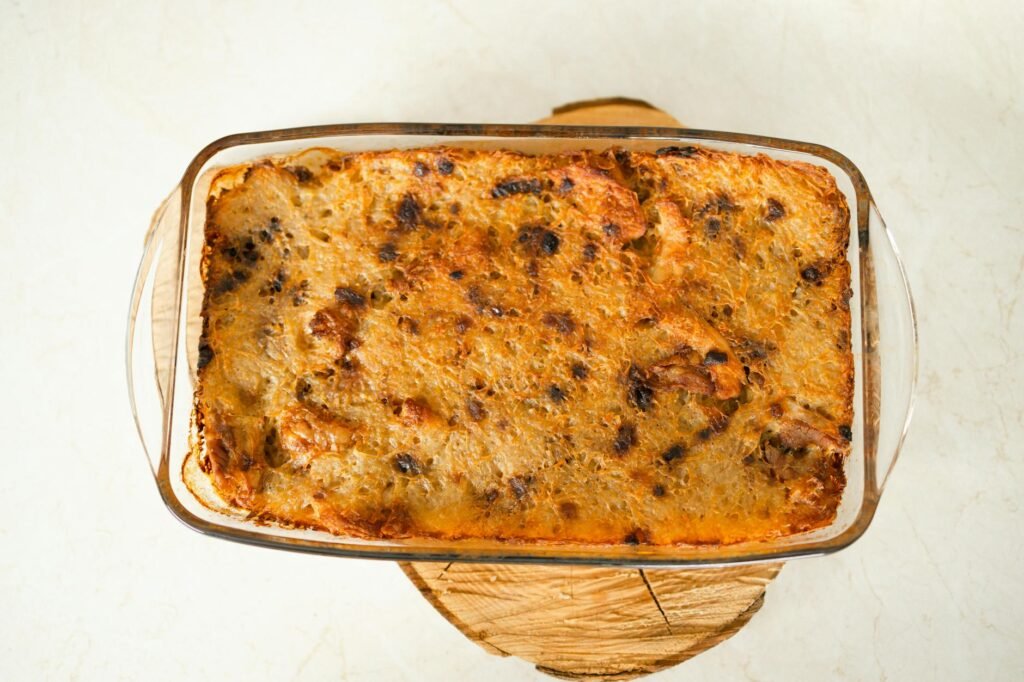
For mixed eaters, this is the most familiar introduction to them because there is also an element of inconspicuousness (very little about this recipe might cause someone to think of it as being “replacement food”). First cook brown lentils until they are tender. In a separate frying pan, saute onion & finely chopped mushrooms until they get to the point where they’re dry (don’t let them get too dry). Do this over low heat. When finished, add garlic, tomato paste, and crushed tomatoes to the sauté mixture with Italian seasoning, and then add cooked lentils. Combine mixture with slightly undercooked ziti (hold back a bit of the sauce so that the casserole will not dry out). Top with bread crumbs before baking. If you have a household that enjoys greens, then throw in some frozen spinach – this will basically “disappear” into this sauce without changing the overall identity of this dish! The guideline for this recipe is simple: “Do not lighten it;” Make it as saucy and browned as possible!
2) Smoky white bean potato chowder
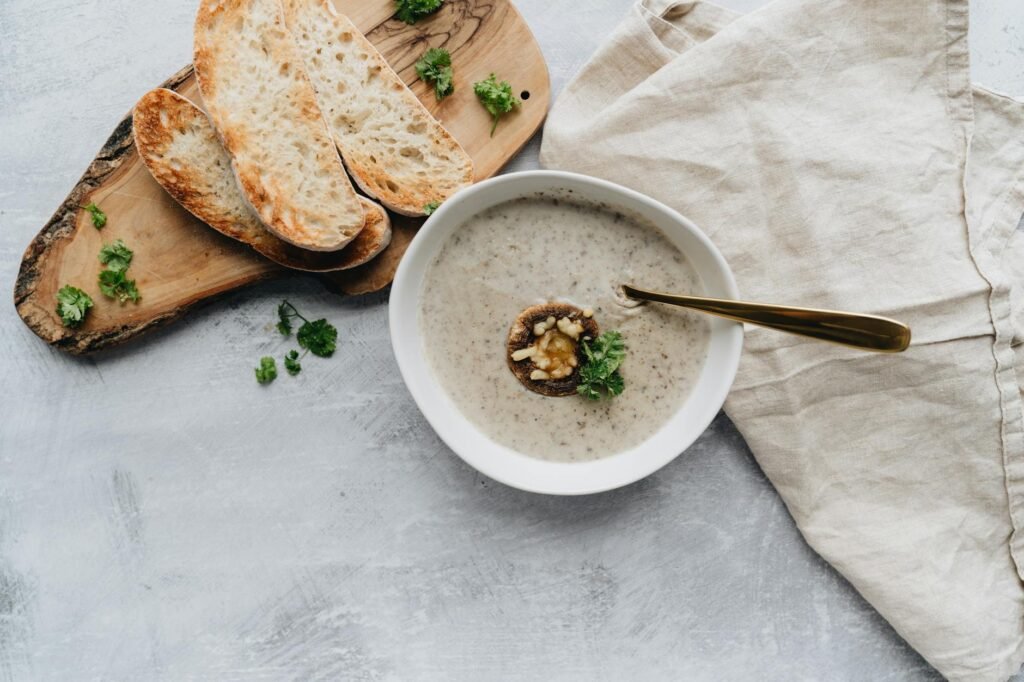
Chowder is always an appealing option when you want people to feel warm and comfy rather than clever. Sauté onions & celery, then add in the other ingredients (potatoes, broth, white beans, corn, smoked paprika, black pepper) and let it simmer until all the potatoes are tender. After that, take a portion of the soup and puree it with some extra beans and a splash of dairy free milk; then re-add the puree back into the soup so it gives an overall body to the soup. Serve it alongside of thick sliced bread, garlic bread or crackers so that the customers think they have just eaten their full meal. Chowder is one of the best soups for stretching your dollars as potatoes do the heavy lifting while beans provide protein to support those busy potatoes.
3) BBQ lentil sloppy joes
Because of how casual and familiar sandwiches tend to be, sandwich night is convenient. First, cook your lentils until they’re tender; then add the sautéed onions, a bit of tomato paste, some mustard (optional) and some BBQ sauce, plus enough broth to keep it loose but not too wet. Mash it up a little bit so that the filling will stay together. Then you can put all this mixture onto some toasted sandwich rolls/buns, and people can add the toppings of their choice (pickles, cole slaw, sliced onions, jalapeños, etc.) at the table. If you’d like the texture to be closer to ground meat, you can add finely chopped mushrooms along with the onions when you’re sautéing the onions. The one thing you don’t want to do is make soupy filling. Sloppy Joes should be messy when served on the bun, but the filling shouldn’t be watery in the pan.
4) Mushroom-lentil shepherd’s pie
This pan will fulfill various needs for reassurance. The potato topping is a good indicator of the type of food that will be produced. Begin by building your base with all of the following ingredients: onions, carrots, mushrooms, lentils, tomato paste, broth, and a few peas to taste.
Cook the mixture down until it can mound ever so slightly on a spoon. Spread the mashed potatoes on top (you want the surface to be rough; use a fork to achieve this) and drizzle or brush with oil. Bake until the outside edges start to turn golden brown. If someone does not like mushrooms, chop them into tiny pieces and use them just as another ingredient for flavour, not for their identity. It is essential that the outer layer of potatoes be a nice golden brown, more so than any special seasonings.
5) Broccoli mac with white bean sauce
A good vegan mac should behave like a weeknight casserole, not like a hot smoothie poured over noodles. Blend white beans with unsweetened plant milk, garlic powder, mustard, lemon juice, nutritional yeast if you use it, and enough salt to make the sauce taste complete before it hits the pasta. Stir in cooked macaroni and chopped broccoli, then top with breadcrumbs and broil or bake until the surface takes on color. Keep the sauce slightly looser than you think you need because bean-based sauces tighten as they sit. If you regularly use plant milk in savory comfort dishes, read the label. The FDA notes that nutrient levels vary widely across plant-based milks, and fortified soy beverages are the closest nutritional match to milk. (fda.gov)
A sample $47.60 grocery basket that covers three dinners for four
Imagine a household of four: two adults, one older kid, and one younger kid, with one committed vegan and three mixed eaters. At a discount grocery store, a realistic three-dinner basket might look like this: 1 pound lentils for $1.79, two cans white beans for $2.38, 2 pounds pasta for $2.98, a 5-pound bag of potatoes for $4.49, onions for $2.00, garlic for $0.79, carrots for $1.29, celery for $1.69, two cans crushed tomatoes for $3.00, tomato paste for $1.29, soy milk for $2.79, frozen broccoli for $1.89, buns for $2.79, broth for $2.38, breadcrumbs for $1.49, frozen corn for $1.59, mushrooms for $2.49, and pantry oil and seasonings already on hand. Total: about $37.11 before tax. Add fruit, salad greens, or a dessert and you are still near the cost of a single family takeout order in many areas. The point is not the exact number. The point is that ingredient overlap does more for affordability than chasing a perfect substitute for every original dish.
This one basket will be able to create baked ziti on Monday, chowder on Wednesday, and sloppy joes on Friday with plenty of potatoes, pasta, and beans left over for making lunches. If your grocery store has a higher price for mushrooms or soy milk, you should reduce the amount of mushrooms and for thickening you can use lentils, where as to substitute milk you can use half broth and half white beans. When you substitute ingredients in comfort food the structure of the dish should be protected first before substitution.

How to keep the grocery bill down without making dinner feel skimpy
- Check the pantry, freezer, and fridge before you plan the week. Nutrition.gov and MyPlate both frame meal planning as a money-saving move because it cuts duplicate buying and keeps shopping focused. (nutrition.gov)
- Pick one starch to repeat twice. If you buy pasta, potatoes, and buns in the same week, give each of them at least two jobs.
- Choose one protein family for the week. Lentils for two meals or white beans for two meals is usually cheaper than buying six unrelated proteins.
- Buy dried beans or lentils in bulk only when the per-pound price is actually better. MyPlate specifically highlights rice, oats, dried beans, and lentils as useful bulk staples. (myplate.gov)
- Use a mix of fresh, frozen, and shelf-stable produce so your plan survives a busy week. MyPlate notes frozen and canned produce can be just as healthy as fresh. (myplate.gov)
- Spend convenience money where it changes acceptance: buns, good bread, pickles, broth, or a ready-made sauce. Most households notice those more than they notice a premium specialty vegan ingredient.
- Portion and cool leftovers promptly so tomorrow’s lunch stays safe and worth eating. (fsis.usda.gov)
Where these recipes can disappoint, and how to rescue them
- If the dish tastes thin: add tomato paste, bouillon, mustard, soy sauce, miso, or a squeeze of lemon before adding more salt.
- If the texture feels mushy: hold back some cooked beans or lentils, toast breadcrumbs, or add a crunchy topping at the end.
- If the table says it is “good but not dinner”: serve it with garlic bread, a baked potato, biscuits, or toasted buns so the meal feels complete.
- If one diner is deeply skeptical: start with baked pasta or sloppy joes, not a casserole built around cauliflower or squash.
- If the recipe needs to be soy-free: lean on lentils and beans instead of tofu, and use a neutral unsweetened plant milk only if the label and flavor work in savory cooking.
- If you are feeding kids who resist mixed dishes: deconstruct the meal. Offer plain pasta plus lentil sauce, or mashed potatoes plus lentil filling on the side, then let familiarity do the work.
Common mistakes that make vegan comfort food feel unfamiliar
- Changing the form and the flavor at the same time. If dinner is already vegan and unfamiliar, do not also make it low-carb, sugar-free, and ultra-light.
- Underseasoning legumes. Beans and lentils usually need salt, acid, and a savory backbone before they taste finished.
- Using sweetened plant milk in a savory sauce. Always check the carton before it goes into chowder or mac.
- Building a meal with no obvious protein anchor. A pile of vegetables with pasta on the side rarely feels like comfort food to mixed eaters.
- Skipping the topping. Browned breadcrumbs, herbs, pickles, or hot sauce are often what make a vegan comfort dish feel deliberate instead of improvised.
This article is for general information, not individualized medical or nutrition advice. If you rely on vegan meals to meet the needs of a child, during pregnancy, or because of a medical condition, check with a registered dietitian or other qualified clinician. NIH notes that people who eat little or no animal foods may not get enough vitamin B12 from diet alone, so fortified foods or supplements may matter. (ods.od.nih.gov)
How to pressure-test a recipe before you serve it to company
- Cook the recipe once on a regular weeknight before you serve it to guests. Comfort food should survive distraction, not require perfect timing.
- Taste it in two stages: right after cooking and again the next day after reheating. Many bean-based sauces and soups change texture overnight.
- Ask one practical question, not a philosophical one: would someone in your house voluntarily eat the leftovers for lunch? If not, the recipe needs work.
- Check the label on your plant milk before treating it like dairy. The FDA says nutrient content varies widely, and fortified soy beverages are the closest nutritional match to milk. (fda.gov)
- Do the cost-per-serving math once. If a pan feeds 6 and costs about $12, that is roughly $2 per serving before sides. If it tastes only “fine,” save the premium ingredients for another dish.
- Store leftovers in shallow containers, refrigerate them within 2 hours, and aim to use most cooked leftovers within 3 to 4 days. (fsis.usda.gov)
Bottom line
At a mixed table, the best type of vegan comfort food will not necessarily have the largest amount of complicated ingredients. A good vegan comfort food dish will be one that is familiar to you and gives you a feeling of having completed a full meal. A good vegan comfort food dish will also use a limited number of ingredients so that you will be able to get the full use of these ingredients again. A good vegan comfort food dish will also maintain a recognizable starch, thereby keeping the vegan dinner from being a separate category of food and allowing it to be viewed as simply a dinner.
FAQ
Which vegan comfort food is the safest starting point for mixed eaters?
Baked pasta is often times the best choice as a starting point because we’ve all become accustomed to this dish’s appearance. Therefore most individuals will determine whether they like your baked pasta based on how well it tastes and less on how closely it resembles a traditional pasta dish.
Can I use oat milk instead of soy milk in these recipes?
Sometimes, yes. Oat milk can work in soups and sauces if it is unsweetened and the flavor is mild. But if you want a plant milk with nutrition closer to dairy, fortified soy beverage is the more dependable choice because nutrient levels vary widely across plant milks. (fda.gov)
Are canned beans fine, or do I need dried beans to make these recipes work?
Canned beans are completely fine when convenience is what gets dinner made. Dried beans can lower cost in some stores, especially if you buy in bulk, but the better choice is the one you will actually cook and use. MyPlate highlights dried beans and lentils as useful bulk staples, but not every store offers a real price advantage. (myplate.gov)
How long will leftovers keep safely?
US food-safety guidance says leftovers should be refrigerated within 2 hours of cooking, or within 1 hour if the temperature is above 90 degrees Fahrenheit, and most cooked leftovers are best used within 3 to 4 days. (fsis.usda.gov)
How do I make these meals cheaper without making them feel skimpy?
Repeat ingredients across two or three dinners, keep one starch in rotation, use beans or lentils as the main protein, and mix fresh produce with frozen or canned items. Planning meals before shopping and using a mix of pantry, frozen, and fresh foods are basic budget strategies supported by Nutrition.gov and MyPlate. (nutrition.gov)
References
- USDA MyPlate: Beans, Peas, and Lentils – https://www.myplate.gov/beans-and-peas
- USDA MyPlate: Protein Foods Group – https://www.myplate.gov/eathealthy/protein-foods
- FDA: Milk and Plant-Based Milk Alternatives: Know the Nutrient Difference – https://www.fda.gov/consumers/consumer-updates/milk-and-plant-based-milk-alternatives-know-nutrient-difference
- NIH Office of Dietary Supplements: Vitamin B12 Consumer Fact Sheet – https://ods.od.nih.gov/factsheets/VitaminB12-Consumer/?trk=public_post_comment-text
- FoodSafety.gov: Cold Food Storage Chart – https://www.foodsafety.gov/food-safety-charts/cold-food-storage-charts
- USDA FSIS: Leftovers and Food Safety – https://www.fsis.usda.gov/food-safety/safe-food-handling-and-preparation/food-safety-basics/leftovers-and-food-safety
- Nutrition.gov: Food Shopping and Meal Planning – https://www.nutrition.gov/topics/shopping-cooking-and-meal-planning/food-shopping-and-meal-planning
- MyPlate Planning for Healthy Eating & Savings: Time Saving Edition – https://www.myplate.gov/sites/default/files/2024-09/MyPlate-Partner-Resource-Healthy-Eating-And-Savings-Time-Saving.pdf
- MyPlate Planning for Healthy Eating and Savings: Fruits and Veggies Edition – https://www.myplate.gov/sites/default/files/2024-01/MyPlatePlanningForHealthySavingsFVfinal-Jan2024.pdf