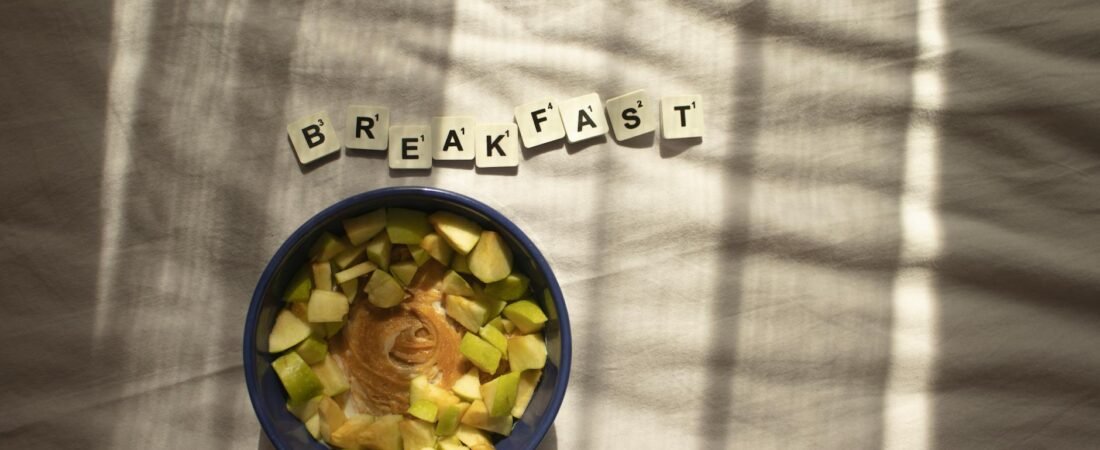
Many vegan breakfasts are one of two things: either they provide adequate nutrition, but lack any emotional warmth, or they give you enough of a taste (but cost you enough) that they become a “weekday event’ habit without people’s realisation. Bananas + coffee rarely provide that cozy feeling. Stopping by a coffee shop certainly provides that feeling, however, for most budgets it is not a realistic default. The ideal option is therefore an easy breakfast that is satisfying, warm, and contains low-drama staples.
Think oats, beans, tofu, potatoes, fruit, nuts, seeds, and bread you actually like. Whole grains such as oatmeal give you a sturdier base than refined grain options, beans and lentils can count toward both vegetables and protein foods, and fortified soy milk or soy yogurt can help vegan breakfasts do more nutritional work than many people realize. (myplate.gov)
- Use the Cozy-7 Breakfast Test: heat, protein anchor, fiber base, texture, flavor, budget fit, and low morning friction.
- For most weekdays, one warm starch plus one obvious protein source is the difference between feeling fed and feeling snacky by 10 a.m.
- Store-brand vegan breakfasts in the $1.25 to $2.50 range are realistic if you rely on oats, beans, tofu, potatoes, bread, fruit, and peanut butter.
- Keep one sweet option, one savory option, and one freezer backup in rotation.
- Pressure-test breakfast with labels, a 7-day hunger log, and a quick cost check instead of chasing novelty.
Use the Cozy-7 Breakfast Test
The Cozy-7 Breakfast Test is my method of evaluating breakfasts. I assign points to a breakfast based on how well it meets the following criteria: heat, a protein anchor, a fiber base, a texture contrast, a bold flavour, budget-friendly, and easy to make. If a breakfast receives 5 or more points, I probably would eat it again. A breakfast that receives 6 or 7 becomes a “go to” breakfast for me.
The point is not perfect macros. The point is building a breakfast you will still want on a damp Tuesday when your willpower is low. From a label-reading standpoint, the FDA says 5% Daily Value is low and 20% is high; the adult Daily Values are 28 grams for fiber and 50 grams for protein, which gives you a practical shorthand when you compare breads, cereals, plant milks, and yogurts. That is a shopping shortcut, not a personalized nutrition prescription. (fda.gov)
- Heat: Something should be warm, even if it is just the oats, toast, or a reheated burrito.
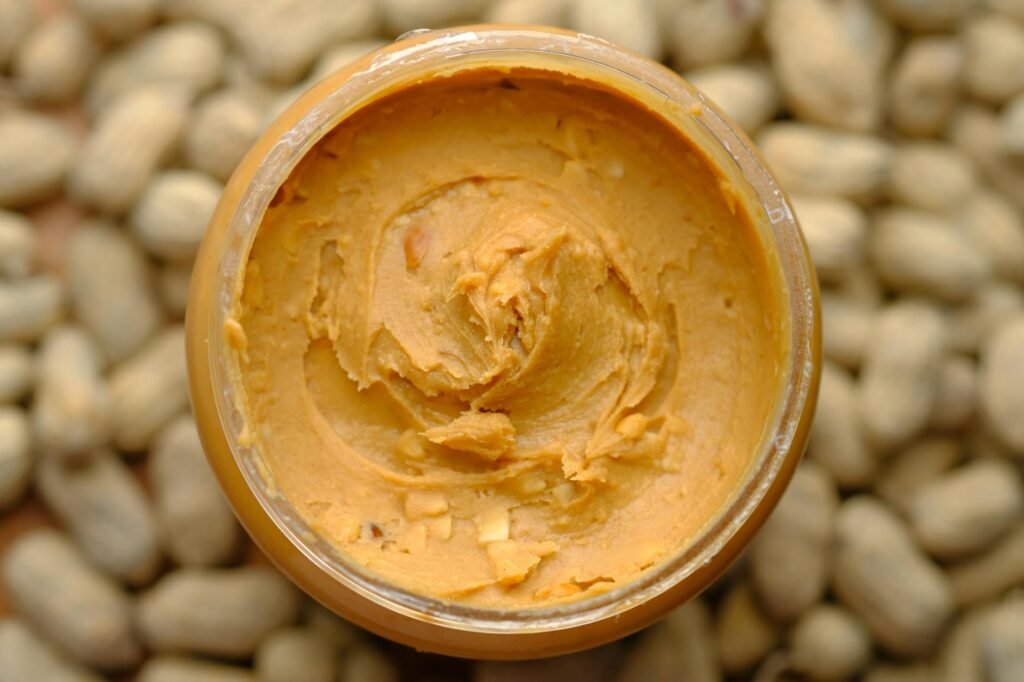
- Protein anchor: Use tofu, soy yogurt, beans, lentils, nuts, seeds, nut butter, or fortified soy milk as the part of breakfast that gives it backbone. MyPlate includes beans, lentils, nuts, seeds, and soy foods in the Protein Foods Group. (myplate.gov)
- Fiber base: Start with oats, whole-grain bread, fruit, beans, lentils, or chia so the meal feels substantial instead of airy. Oatmeal is a whole grain, and refined grains lose fiber and other nutrients during processing. (myplate.gov)
- Texture contrast: Creamy plus chewy, or soft plus crunchy. Most disappointing breakfasts are one texture all the way through.
- Bold flavor: Cinnamon, black pepper, ginger, lemon, salsa, miso, maple, or a good pinch of salt make cheap ingredients taste intentional.
- Budget fit: Set a weekday cap before you shop. For many readers, that means roughly $1.50 to $3 per serving, not counting coffee.
- Low friction: If it takes more than 10 active minutes on a workday, it needs a prep-ahead version.
Six breakfasts that actually pass the test
The ideas below assume store-brand groceries, basic pantry seasonings, and reasonable U.S. supermarket pricing. The costs are illustrative, not national averages. Use them as planning numbers, not fixed benchmarks.
| Breakfast | Fast build | Active time | Approx. cost/serving | Best use case |
|---|---|---|---|---|
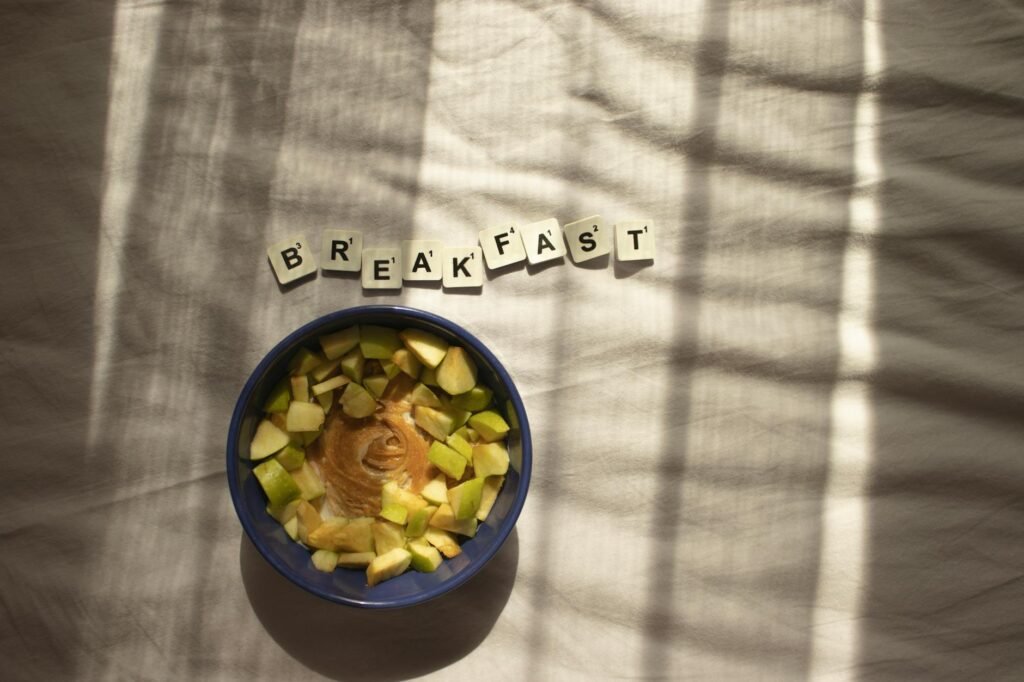
| Cinnamon-apple oats with peanut butter | Rolled oats cooked in soy milk, diced apple, cinnamon, a pinch of salt, and peanut butter | 8 minutes | $1.35 | Default cold-morning weekday breakfast |
| Savory oats with white beans and mushrooms | Oats simmered in broth, topped with mushrooms, white beans, black pepper, and olive oil | 10 minutes | $1.90 | For anyone tired of sweet breakfast |
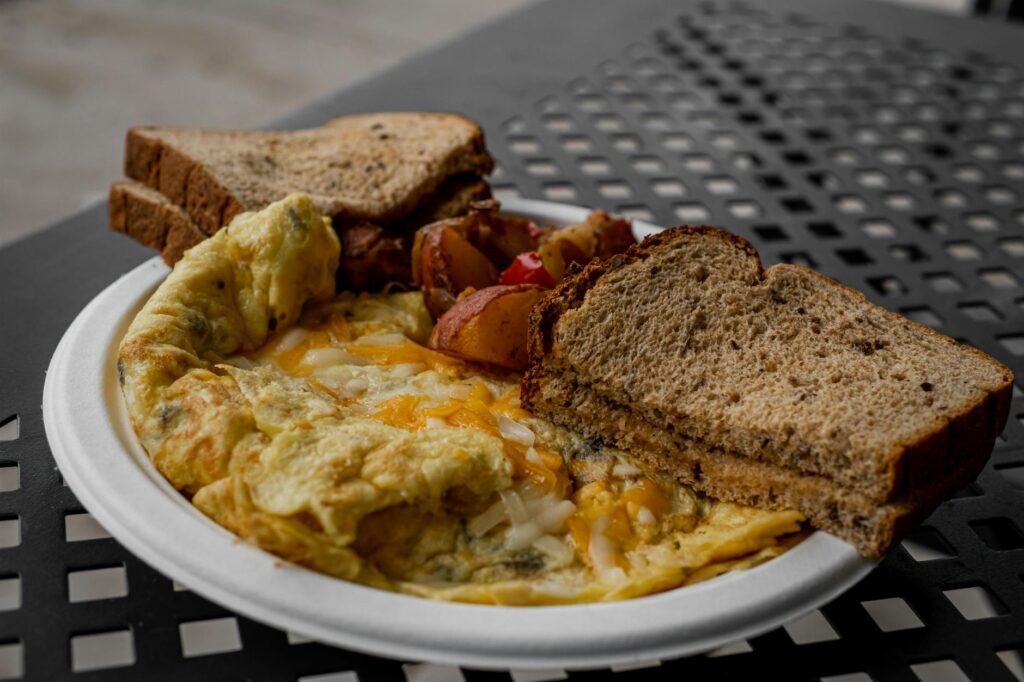
| Tofu scramble, potatoes, and toast | Crumbled tofu with turmeric and nutritional yeast, plus leftover roasted potatoes and toast | 15 minutes, or 7 with prepped potatoes | $2.45 | High-hunger mornings or work-from-home days |
| Freezer black bean and sweet potato burrito | Tortilla with black beans, roasted sweet potato, salsa, and a little rice or potato | 5 minutes to reheat | $1.85 | Grab-and-go mornings |
| Leftover rice breakfast pudding | Cooked rice warmed with soy milk, raisins, cinnamon, walnuts, and a little maple if needed | 7 minutes | $1.60 | Using leftovers without feeling deprived |
| Baked oatmeal squares with warm berries and soy yogurt | Make-ahead oat bake, reheated and topped with thawed berries and plain soy yogurt | 3 minutes to reheat | $1.75 | Batch-prep weeks and late starts |
What makes a vegan breakfast feel cozy instead of dutiful
A breakfast can be nutritionally solid and still feel like punishment. The fix is usually sensory, not expensive. Warm liquid makes oats taste fuller than water. Salt makes sweetness feel deliberate. Crunch keeps soft food from feeling mushy. Acid wakes up savory breakfasts. And if you are building around beans or tofu, adding berries, citrus, tomatoes, kiwi, or salsa can help with plant-iron absorption because vitamin C improves the absorption of nonheme iron. (ods.od.nih.gov)
- For sweet breakfasts, use this formula: hot grain + fruit + nut or seed butter + spice + one crunchy thing.
- For savory breakfasts, use this formula: toast or potato + tofu or beans + greens or mushrooms + salty or acidic finish.
- Use leftovers on purpose. Cooked rice can become breakfast pudding. Roasted potatoes can become a side for tofu scramble. Yesterday’s beans can go on toast with chili crisp or salsa.
- Keep sweetness moderate. A breakfast that tastes like dessert can be great sometimes, but many people do better when sweetness is supported by fat, starch, or protein.
- If you want a bakery feel without bakery spending, bake oatmeal in squares once, then reheat with fruit so it feels fresh instead of merely prepped.
- When hunger is a recurring problem, add a second starch before you buy supplements or specialty products. Oats plus toast often work better than a tiny bowl with extra chia.
A realistic monthly savings example
Suppose Maya buys breakfast out four mornings a week at $9.50 each. That comes to about $164.54 a month. She swaps to two cinnamon-oat breakfasts at $1.35 each, one freezer burrito at $1.85, and one tofu scramble breakfast at $2.45 each week. Her homemade breakfast total is about $30.31 a month. The difference is roughly $134.23 a month in breathing room, and that is from breakfast alone.
This does not mean never buy brunch. It means deciding which mornings deserve café money and which ones do not.
The 20-minute Sunday breakfast setup
- Pick two tracks, not seven recipes: one sweet breakfast and one savory breakfast. Example: baked oatmeal squares plus freezer bean burritos.
- Prep one warm base. Make a pot of oats, bake oatmeal, cook rice, or roast a tray of potatoes or sweet potatoes.
- Prep one protein anchor. Crumble and season tofu, cook a pot of lentils, or portion black beans for burritos and toast.
- Set out four flavor boosters you will actually use: cinnamon, peanut butter, salsa, frozen berries, lemon, hot sauce, or chopped walnuts.
- Portion the easy wins first. If mornings are chaotic, pre-build the first three breakfasts before you put groceries away.
- Leave one backup in the freezer. This is the anti-takeout rule. Breakfast plans fail when there is no fallback, not when the main idea was bad.
Common mistakes that make breakfast feel skimpy or expensive
- Treating fruit as the whole breakfast instead of part of it.
- Skipping the starch. Protein alone may look fine on paper, but it often does not feel cozy.
- Buying three specialty vegan products when oats, tofu, beans, or bread would have done the job better and cheaper.
- Keeping only sweet breakfasts in rotation, then getting bored and spending money out by midweek.
- Ignoring seasoning. A little salt, acid, spice, or fat often matters more than another topping.
- Assuming every plant milk is nutritionally interchangeable. If a milk or yogurt is doing serious nutritional work in a vegan breakfast, check the label. MyPlate includes fortified soy milk and yogurt in the Dairy Group; most other plant milks are not treated the same way nutritionally. (myplate.gov)
When the obvious plan falls short
On some mornings the regular plan simply won’t do, and if your appetite has returned prior to lunch time, consider increasing the amount of each anchor or adding additional anchors (for example: toasted oats, potato & scrambled eggs, or soy yogurt with baked oats). If eating large amounts of fiber first thing in the morning isn’t right for you, then consider decreasing the amount of chia, skin, or large beans used in your breakfast and relying on breakfast of lower amounts of fibre (example: tofu scramble, toasted bread & nut butter, rice pudding made with soy milk).
If you cannot use soy, beans, lentils, nuts, seeds, and pea-protein products can still do the protein job, but you may need to watch labels more carefully for calcium, vitamin D, and vitamin B12 because most plant milks are not nutritionally equivalent to fortified soy milk. (myplate.gov)
General information only, not medical advice. If you have diabetes, kidney disease, celiac disease, iron-deficiency anemia, significant GI symptoms, or you are pregnant, get personalized guidance from a clinician or registered dietitian. Fully vegan eaters also need a reliable vitamin B12 plan; NIH notes that plant foods do not naturally contain vitamin B12, while fortified foods and supplements can provide it. (ods.od.nih.gov)
How to pressure-test your breakfast before you buy more groceries
- Run a 7-day breakfast log. Write down the meal, the approximate cost, the prep time, and whether you were hungry again before lunch.
- Compare labels only at the same serving size. The FDA says 20% Daily Value or more is high and 5% or less is low, which makes it easier to compare fiber, protein, calcium, iron, vitamin D, and added sugars in packaged foods. (fda.gov)
- Check whether your breakfast has both a protein anchor and a fiber base. If it has one but not the other, that is usually where the weak spot is.
- If you rely on plant milk or yogurt, confirm fortification instead of assuming it. Fortified soy milk and yogurt are the MyPlate plant-based options that count in the Dairy Group. (myplate.gov)
- If the meal is bean-, lentil-, or tofu-heavy, pair it with fruit, citrus, tomatoes, or salsa on some days to support nonheme iron absorption. (ods.od.nih.gov)
- If you require additional snacks for three or more days per week, you should consider adding more food sources to your plan before discarding it. An additional piece of toast, half a burrito or adding more tofu will generally satisfy you more so than following some new trendy recipe.
Bottom line
There’s no single best vegan breakfast that’s virtuous; it depends on what you have access to, can make with whatever energy you have (usually not much), and won’t prompt you to search for something to snack on two hours after eating. Make sure you always have three breakfast options: one sweet cereal bowl, one savory plate, and one from your freezer, and each should pass my Cozy-7 test. Then, breakfast becomes not just a decision but rather an upgrade in quality of life.
FAQ
What is the most filling vegan breakfast if I hate oatmeal?
Start savory. Tofu scramble with potatoes and toast, or a bean-and-sweet-potato burrito, usually works better for oatmeal skeptics than forcing a sweet bowl. MyPlate includes beans, lentils, nuts, seeds, and soy foods in the Protein Foods Group, so you do not need oats to build staying power. (myplate.gov)
Can I make vegan breakfast filling without protein powder?
Yes. Tofu, soy yogurt, peanut butter, black beans, lentils, nuts, and seeds can all anchor breakfast. Protein powder can be convenient, but it is not required for a solid morning meal. (myplate.gov)
Should I choose soy milk or oat milk for breakfast?
If you want the plant milk to do more nutritional work, soy is the safer default. MyPlate includes fortified soy milk and yogurt in the Dairy Group because their nutrition is closer to dairy; other plant milks may still contain calcium, but they are not treated the same way nutritionally. (myplate.gov)
Do I need fortified foods if I eat a whole-food vegan diet?
For vitamin B12, you need a plan beyond unfortified whole plant foods. NIH notes that plant foods do not naturally contain vitamin B12, and that fortified foods such as some breakfast cereals and nutritional yeast, plus supplements, are common sources. (ods.od.nih.gov)
How do I know if a breakfast cereal or bread is actually helping?
Use the Nutrition Facts label instead of front-of-box marketing. The FDA says 20% Daily Value or more is high and 5% or less is low, which gives you a quick way to compare fiber, added sugars, iron, and other nutrients across products with the same serving size. (fda.gov)
References
- FDA: Daily Value on the Nutrition and Supplement Facts Labels – https://www.fda.gov/food/nutrition-facts-label/daily-value-nutrition-and-supplement-facts-labels?apid=37930398&rvid=53bf11102c60035374476a84f6a52bdaada05ad855475c9a438ce18e95f04b96
- MyPlate: Dairy Group – https://www.myplate.gov/DAIRY
- MyPlate: Beans, Peas, and Lentils – https://www.myplate.gov/beans-and-peas
- MyPlate: Protein Foods Group – https://www.myplate.gov/eathealthy/protein-foods/protein-foods-nutrients-health?post=08132019a
- MyPlate: Grains Group – https://www.myplate.gov/web/web/eat-healthy/grains
- NIH ODS: Vitamin B12 Fact Sheet for Health Professionals – https://ods.od.nih.gov/factsheets/VitaminB12-HealthProfessional/?uid=a77019308a8b2s16
- NIH ODS: Vitamin B12 Fact Sheet for Consumers – https://ods.od.nih.gov/pdf/factsheets/vitaminb12-consumer.pdf
- NIH ODS: Vitamin C Fact Sheet for Health Professionals – https://ods.od.nih.gov/factsheets/VitaminC-HealthProfessional/?ncid=edlinkushpmg00000313