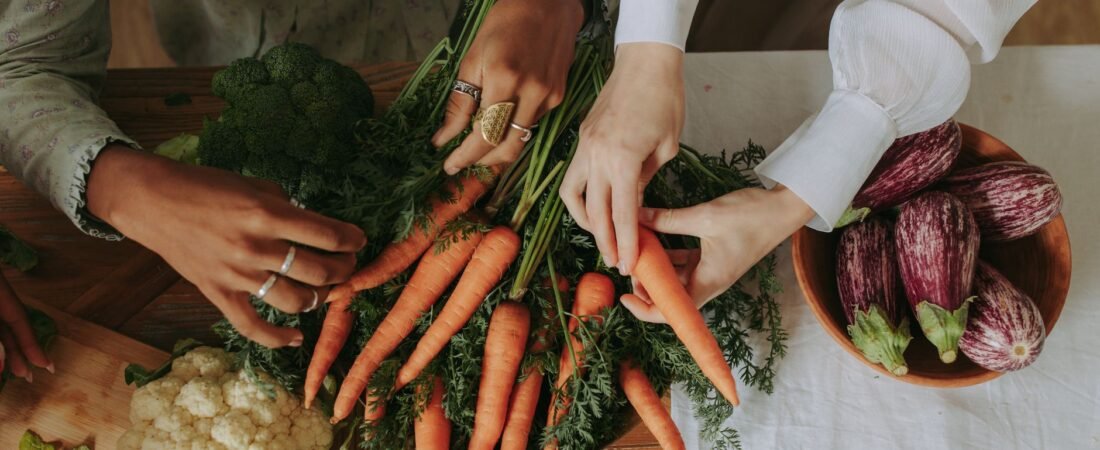
Roasting vegetables is an easy way to save money if you are on a budget. You can buy vegetables that are in season, use up vegetables that are going bad or turning due to ripeness, and get nice deep flavor from only oil, salt, and high heat while roasting them. However, one of the most common reasons roasted vegetables fail to satisfy you at dinner time is that they taste great in the pan, but somehow don’t fill your bowl with something delicious for dinner 1 hour later; then you go searching through your kitchen for toast, chips, or takeout food after dinner.
In most cases, it is not the actual vegetables that are at fault; rather, the issue comes from the fact that the meal was created without giving the roasted vegetables a chance to develop their sweetness (from browning) and volume (from dehydration). The key for creating a truly vegan product that people will love is to center the meal around the roasted vegetables by adding protein, a base for sustenance, creaminess, some acid, and an overall sharp finish.
Why roasted vegetables often disappoint at dinner
What usually goes wrong is predictable. The meal is soft all the way through. The sweetness from roasting is not balanced with acid. The vegetables get dropped onto greens and called a bowl even though there is not enough protein or starch to make the meal feel complete. Federal MyPlate guidance for vegetarian eating points people toward plant proteins such as beans, peas, lentils, nuts, seeds, and soy products, and it also notes fortified soy alternatives as part of an overall healthy pattern. That is the useful clue here: roasted vegetables are your anchor, not your entire plan. (myplate.gov)
Use the C.R.A.V.E. Formula
With every tray of baked vegetables you make you can quickly decide how well you have done by determining if your dinner meets each of the five criteria below. If it covers all five, you will likely be able to determine whether it is filling or satisfying enough to want to do again.
- Creamy element: Add something that coats the vegetables instead of leaving them dry. Good options include lemon-tahini sauce, hummus loosened with water and lemon, peanut sauce, cashew cream, mashed avocado, or unsweetened vegan yogurt.
- Reliable protein: Make protein visible, not decorative. Think about 3/4 to 1 cup of beans or lentils per serving, 4 to 6 ounces of tofu or tempeh, or a solid scoop of edamame. MyPlate includes beans, peas, lentils, nuts, seeds, and soy products among vegetarian protein options. (myplate.gov)
- Acid punch: Roasting concentrates sweetness, so add lemon juice, red wine vinegar, rice vinegar, salsa verde, pickled onions, capers, kimchi, or a bright vinaigrette to wake the dish up.
- Vegetables should have a base. You can use rice, farro, couscous, pasta, toasted bread, baked potatoes, polenta, or tortillas as your base. The base is not used just to fill the tray, but it’s a way to make a tray of vegetables a true substitute for a commercially prepared meal.
- End each dish with one crispy/sharp ingredient: toasted nuts or seeds (pumpkin); crispy fried chickpeas; chili crisp; herb/s; scallion; shredded cabbage; toasted breadcrumb[s]; etc. Just using soft vegetables plus soft grains plus soft beans may be quick to put together – but they often don’t taste very good.
| If you roasted | Best protein partner | Best base | Fast finish | Why it works |
|---|---|---|---|---|
| Cauliflower and carrots | Chickpeas | Couscous or quinoa | Lemon-tahini and parsley | Nutty, bright, and filling without feeling heavy |
| Sweet potatoes and onions | Black beans | Rice or tortillas | Salsa, avocado, and pepitas | Feels like a taco bowl instead of a side dish |
| Broccoli and mushrooms | Tofu | Noodles | Peanut-lime sauce and scallions | Savory enough to scratch the takeout itch |
| Brussels sprouts and squash | Lentils | Farro | Mustard vinaigrette and walnuts | Turns into a warm salad that still eats like dinner |
| Peppers, zucchini, and onions | White beans | Toast or polenta | Herb sauce and chili flakes | Fast, pantry-friendly, and especially good for weeknights |
A $18 roast becomes six actual dinners
Use sample grocery math, not perfect sale math. Two pounds of sweet potatoes at about $2.50, two pounds of broccoli and cauliflower at about $5.50, two onions for $1.50, two cans of chickpeas for $2.00, one pound of brown rice for $1.50, tahini plus lemon and garlic for a quick sauce at about $3.50, and either pumpkin seeds or fresh herbs for $1.50 lands near $18. Roast the vegetables on two pans, cook the rice, warm the chickpeas with spices, and whisk the sauce.
That batch can reasonably make about six dinners built around 1 1/2 to 2 cups of vegetables, 3/4 cup rice, 3/4 cup chickpeas, and sauce. That comes out to roughly $3 per meal before small pantry costs for oil, salt, and spices.
The real savings do not come from buying the cheapest carrot. They come from building meals that are satisfying enough to prevent the second purchase later. USDA budget-planning materials emphasize planning meals, cooking extra vegetables, and using what you already bought before shopping again. That is exactly the advantage of a strong roasted-vegetable system: it can cut food waste and lower the odds that a tired weeknight ends in an expensive convenience meal. (myplate.gov)
Four dinner formats that keep one batch from tasting repetitive
- Grain Bowl Options: Choose rice, farro or quinoa as your base grain; select plenty of roasted veggies (corn, carrots, zucchini); add a full portion of lentils or chickpeas; add a creamy sauce (yogurt); and finish with something crunchy (nuts). This is the ideal choice if you prefer having stable, affordable lunch and dinner alternatives throughout the week.
- Wraps or Tacos: Take leftover veggies (think roasted sweet potatoes, onions, cauliflower or mushrooms) and simply fold them into tortillas along with black beans, shredded cabbage, salsa and either an avocado or a crema-like sauce. This is an easy way to make leftovers not seem like leftovers and also be used without any extra cooking!
- Skillet pasta: Combine roasted zucchini, mushrooms, broccoli, red peppers, and pasta with lemon, white beans, minced garlic, olive oil, and toasted breadcrumbs. Roasted vegetables are a great addition to pasta dishes as they will hold their shape and add texture due to the brown edges.
- Baked potatoes (or sweet potatoes) topped with roasted vegetables or roasted vegetables on top of thick slices of toast that have been spread with hummus (or a white bean dip) and seasoned with herbs, chili flakes and lemon juice can be great comfort food for those of us who need to fuel up on energy sources that we probably already have on hand.
A weeknight assembly plan that does not feel like meal-prep punishment
- Choose two vegetables with different personalities. Pair one sturdy vegetable such as sweet potatoes, carrots, or cauliflower with one quicker vegetable such as broccoli, onions, mushrooms, or peppers.
- Roast on separate pans if the vegetables cook at very different speeds. That gives you better browning and keeps softer vegetables from steaming while the dense ones catch up.
- Cook one base and one protein while the pans are in the oven. Rice plus chickpeas, farro plus lentils, or noodles plus tofu are simple combinations that keep costs down.
- Make one sauce with both richness and brightness. Tahini-lemon, peanut-lime, or olive oil plus mustard and vinegar all solve the dryness problem quickly.
- Store crunchy or fresh finishes separately. Herbs, seeds, scallions, slaw, and toasted crumbs should go on at serving time, not in the storage container.
- Before packing meals, ask one question: if I ate this tomorrow, would I still want it? If the answer is no, the meal usually needs acid, sauce, or a better texture finish.
Common mistakes that make roasted vegetables boring
- Crowding the pan. If the vegetables are piled up, they steam instead of brown, and the finished meal tastes wetter and flatter.
- Relying on one texture. A bowl of soft vegetables, soft rice, and soft beans may be healthy and affordable, but it often feels like leftovers instead of dinner.
- Skipping acid. Roasted vegetables get sweeter as they brown. Without lemon, vinegar, pickles, or a sharp sauce, that sweetness can turn muddy.
- Using protein as garnish. A spoonful of chickpeas scattered across a large bowl does not do the same job as a real portion of beans, lentils, tofu, or tempeh.
- Seasoning only before roasting. Salt before cooking matters, but a final hit of salt, citrus, herbs, or chili at the end is usually what makes the dish taste alive.
- Packing everything together. Sauce on top of crisp edges and seeds in the container overnight is the fastest route to a soggy lunch.
When the sheet-pan plan is not enough
If your roasted veggies do not excite you, make a plan to change what has gone wrong in the past at that point and not give up on your veggie concept. If you still feel hungry after your dinner of roasted veggies, you may not have enough calories, protein, or both; thus, you could add to your base of the meal by adding 2x the beans or include tofu and a richer sauce option with your meal. If your meal’s veggies came out limp, then mix them in with the soup, pasta, fried rice, or curry instead of just forcing down a sad bowl of limp veggies. If your issue is enough cooking time in the oven, then use frozen veggies, or cook them using an air fryer versus on a stovetop skillet and build the use of the same ingredients. If someone in your home does not like mixed veggies in a bowl, keep all ingredients separate and allow each person to make their own tacos, grain plates, or toast with the different types of veggies.
If you need a more tailored eating pattern because of pregnancy, athletic training, kidney disease, diabetes, allergies, or another health issue, treat the framework as a cooking tool, not a prescription.
How to verify that this advice is actually working
- Track cost per serving once. Divide the full ingredient total by the number of meals you actually ate, not the number you hoped to make.
- Track fullness honestly. If you are hungry again within two hours, the next batch probably needs a larger base, a larger protein portion, or a more substantial sauce.
- Track waste. If vegetables or sauce keep dying in the fridge, simplify the system and use fewer components, not more.
- Track repeatability. The best roasted-vegetable meal is the one you can assemble on a tired Wednesday, not the one that looked ideal on Sunday.
- Track safety. Make sure leftovers cool promptly, your refrigerator stays at or below 40 degrees F, and you use leftovers within the recommended window. FoodSafety.gov’s FoodKeeper app is a good backstop when you are unsure how long an item keeps. (fda.gov)
Food-safety and nutrition note: Refrigerate cooked vegetables, grains, beans, and sauces within 2 hours, keep the refrigerator at or below 40 degrees F, and use leftovers within 3 to 4 days or freeze them sooner. When reheating leftovers, FoodSafety.gov lists 165 degrees F as the safe minimum internal temperature. This article is general cooking information, not medical nutrition advice. If you need individualized guidance, ask a clinician or registered dietitian. (fda.gov)
Bottom line
When treated as part of a full meal, roasted vegetables can be turned into delicious vegan meals. If you combine roasted vegetables with a real protein source, a hearty base, a creamy ingredient, an acid, and, finally, a crunchy or sharp element, you will create a meal using the C.R.A.V.E. Formula. This formula is flexible enough to use anything that is on sale that week; is practical enough for those evenings when you have little time; and is effective enough to stop a tray of pre-cooked vegetables from being wasted. If your bowl of roasted vegetables is bland, dry, and/or not filling, then you do not need a new recipe; rather, you need to figure out what ingredient was missing from your bowl.
FAQ
Can roasted vegetables be a complete vegan dinner on their own?
Yes, if you do not have a satisfying dish that is comprised primarily of vegetables, this combination will generally work better when accompanied by a protein source (meat, cheese, beans etc.), in addition to starchy grains (rice, potatoes, pasta etc.), with a good dressing or sauce. These elements combine together to transform a side dish into a complete meal.
What is the cheapest protein to add to roasted vegetables?
If you’re looking for affordable sources of protein, beans and lentils tend to be your best bet (especially if you buy them dried or in bulk). Tofu is the next best bang for your buck. Nuts and seeds can also be great sources of protein, but they typically work better as toppings than as the primary source of protein in a meal.
How do I keep roasted vegetables from getting soggy in meal prep?
Don’t overcrowd pan, cool veg slightly before packing, store sauces separately from crunchy toppings. If a batch is going to be consumed throughout multiple days, slightly undercook softer veg so they will keep better.
What sauce improves roasted vegetables the fastest?
One reason lemon-tahini is hard to rival is because it combines the richness of fat with salty flavor and acidity in a single step. Peanut-lime is another option that goes well with broccoli, carrots and mushrooms. If you are looking for an inexpensive and fast option, you can thin hummus with lemon juice and water instead of making a separate sauce.
How long do roasted vegetable leftovers keep?
As a general rule, refrigerate leftovers promptly, keep the refrigerator at or below 40 degrees F, and use leftovers within 3 to 4 days. If you are unsure about a specific item, FoodSafety.gov’s FoodKeeper app is a useful reference. Reheat leftovers thoroughly; FoodSafety.gov lists 165 degrees F as the safe minimum for leftovers. (fda.gov)
References
- USDA MyPlate: Protein Foods – https://www.myplate.gov/web/web/eat-healthy/protein-foods
- USDA MyPlate: Enjoy Vegetarian Meals – https://www.myplate.gov/web/tip-sheet/enjoy-vegetarian-meals
- USDA MyPlate: Healthy Eating on a Budget – https://www.myplate.gov/web/web/eat-healthy/healthy-eating-budget
- USDA MyPlate: Prepare Healthy Meals – https://www.myplate.gov/eathealthy/budget/budget-cooking
- USDA MyPlate: Make a Plan – https://www.myplate.gov/eathealthy/budget/budget-weekly-meals
- FoodSafety.gov: FoodKeeper App – https://www.foodsafety.gov/keep-food-safe/foodkeeper-app
- FDA: Are You Storing Food Safely? – https://www.fda.gov/consumers/consumer-updates/are-you-storing-food-safely
- FoodSafety.gov: Cold Food Storage Chart – https://www.foodsafety.gov/food-safety-charts/cold-food-storage-charts
- FoodSafety.gov: Safe Minimum Internal Temperatures – https://www.foodsafety.gov/food-safety-charts/safe-minimum-internal-temperatures