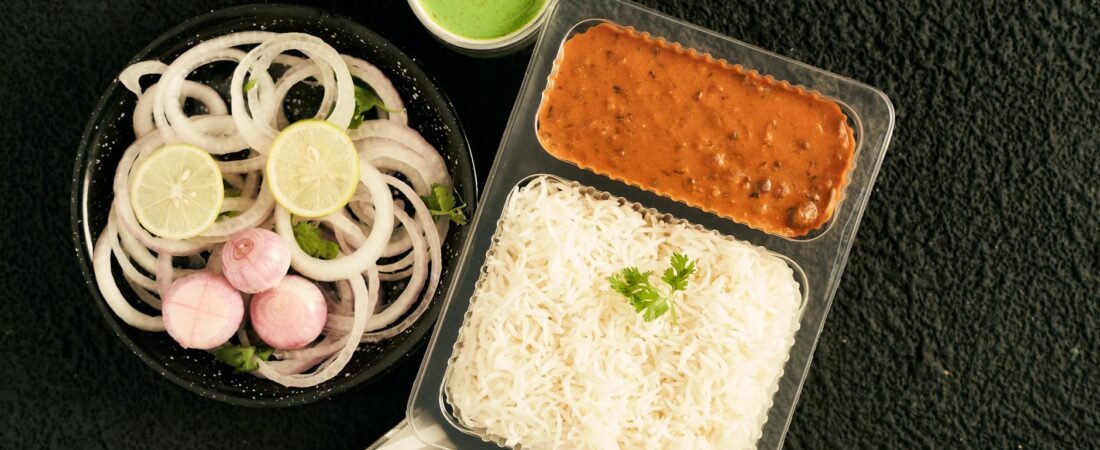
Meal prep only saves money if Thursday’s container still sounds better than buying lunch. That is where a lot of plant-based prep falls apart. The grains turn dry, the vegetables leak water into everything, and the one big sauce tastes flat by midweek. USDA MyPlate’s meal-planning guidance treats leftovers as part of the savings plan, which is exactly the right frame: a cheap lunch that ends up in the trash is not cheap. (myplate.gov)
Rather than focusing on creating the best recipes possible, this solution to meal prep concentrates on creating food that will last in the refrigerator. Food with solid proteins, roasted veggies, separate sauces, and a quick burst of acidity at the end or crunch at the beginning can be used to create a meal that will seem like a completely different meal on Monday versus one created on Thursday without people even noticing.
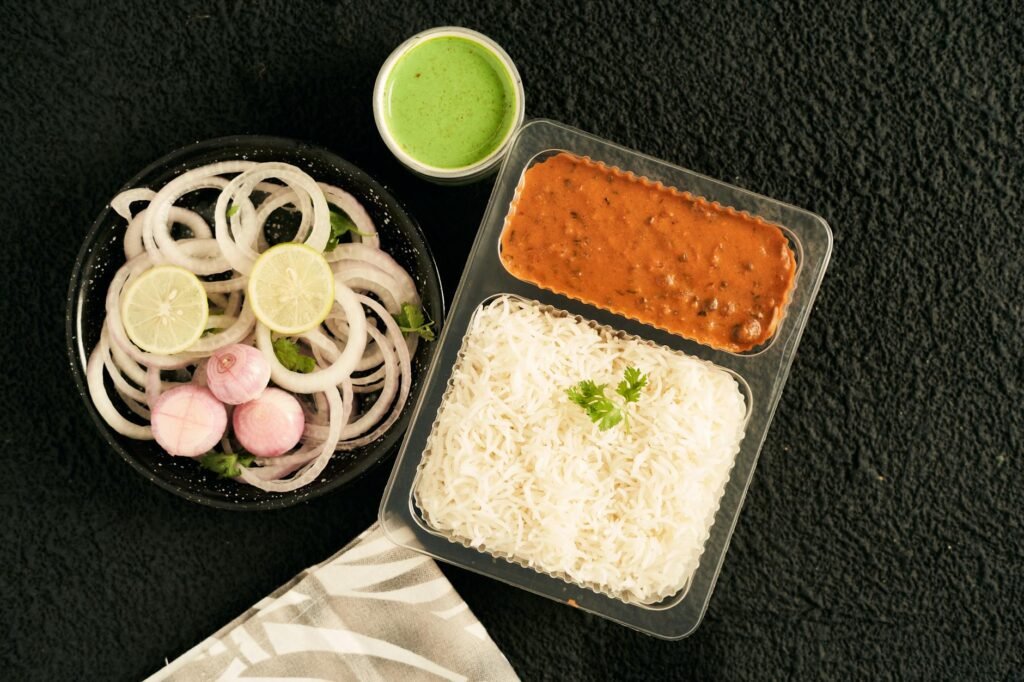
TL;DR
- Build around sturdy ingredients: lentils, beans, baked tofu, roasted vegetables, cabbage, and grains that can handle reheating.
- Use the Day-Four Filter before you cook. If a meal cannot handle moisture, storage, and reheating, do not prep five portions of it.
- Keep sauces, herbs, nuts, and crunchy vegetables separate until you eat.
- For a sample five-lunch plant-based prep, a realistic low-cost shop can land near $3 to $4 per lunch instead of $12-plus takeout.
- USDA says leftovers can generally be kept in the refrigerator for 3 to 4 days, and FDA says your refrigerator should stay at or below 40°F. (fsis.usda.gov)
- If you will not eat a portion by day four, freeze it early instead of hoping for the best. (fsis.usda.gov)
Start with the day-four problem, not the Sunday fantasy
The majority of issues with poorly prepared meals can be attributed to water content; vegetables release moisture, starches tighten up in the refrigerator, breaded/fried foods become soggy, and delicate salad greens wilt when covered in salad dressing. For this reason, bowls, chili, stews, curries and hearty salads made from durable ingredients are generally better for meal prepping than delicate grain-based salads or produce-laden lunch boxes.
USDA budget-planning materials make the same point in a quieter way: buy a few fresh core items, pair them with staples like rice, pasta, canned or dried beans, and spices, and repurpose leftovers into meals that feel different through the week. That is not just a nutrition tip. It is a waste-control strategy. (myplate.gov)
Use the Day-Four Filter before you cook
The original tool used in this article is the Day Four Filter. Give your intended meal a score of one point for every Yes you get (maximum possible score = 5). A score of 4 or 5 indicates that your meal is suitable for all the trials of preparation; a scored 3 would suggest that you can only prepare smaller amounts, or at least not enough; and a current score of 0 to 2 indicates that it is probably okay to prepare as long as you won’t be using Thursday food.
- Does the main protein still taste good cold or reheated? Lentils, chickpeas, black beans, tempeh, and baked tofu usually pass.
- Are the vegetables sturdy rather than watery? Cabbage, carrots, broccoli, cauliflower, kale, and roasted peppers usually hold better than cucumbers, tomatoes, zucchini, or dressed lettuce.
- Can the wet part stay separate? If the answer depends on dumping sauce over everything on Sunday, the meal probably loses points.
- Is there a day-of refresh built in? Lemon, herbs, scallions, nuts, chili crisp, or a second sauce can rescue a familiar base.
- Could you freeze one or two portions without ruining the meal? If yes, your prep is more forgiving and less waste-prone.
While this filter appears basic, it can save you from the most costly error when preparing meals: cooking five servings of a dish that should have only been eaten freshly. In cases where the batch is barely passable, decrease the number of servings. If you enjoy three good lunches, they’ll be better than five bad.
Build around components that age well
| Category | Usually strong on day four | Usually weak on day four | Better move |
|---|---|---|---|
| Protein | Lentils, chickpeas, black beans, tempeh, baked extra-firm tofu | Breaded tofu, crispy chickpeas meant to stay crunchy | Use saucy or roasted proteins for the base; keep crunchy toppings separate |
| Vegetables | Roasted carrots, broccoli, cauliflower, cabbage, kale, onions | Cucumber, tomato, zucchini, dressed lettuce, avocado | Reserve watery vegetables for days one to two or pack them separately |
| Starches | Brown rice, farro, barley, potatoes in saucy dishes, pasta salad with sturdy mix-ins | Very soft noodles, overcooked rice, mashed vegetables without sauce | Cook starches slightly firm and reheat with sauce, broth, or dressing |
| Sauces | Tahini-lemon, peanut-lime, tomato sauces, herb sauces packed separately | A full batch dressed on Sunday | Portion sauce in cups and add it when you eat |
| Fresh finishers | Scallions, cilantro, parsley, lemon wedges, toasted nuts, seeds | Pre-cut avocado, fragile herbs mixed in early | Add fresh finishers at the last minute |
A 75-minute prep plan that actually holds up
- Pick one base meal and one alternate sauce, not five different recipes. A lentil-rice bowl can be lemon-tahini on Monday and peanut-lime on Thursday without feeling repetitive.
- Cook one sturdy protein. Lentils, chickpeas, black beans, tofu, and tempeh are reliable plant-based options; MyPlate lists beans, peas, lentils, nuts, seeds, and soy products such as tofu and tempeh among vegetarian protein choices. (myplate.gov)
- Cook one sturdy starch and stop just short of soft. Slightly firm grains and pasta tend to reheat better than fully soft ones.
- Roast vegetables until they have color and some dry edges. A little caramelization improves day-one flavor and protects day-four texture.
- Prep one raw crunchy component, such as shredded cabbage and carrots, but keep it dry and undressed.
- Mix sauces separately and pack them in small cups. The most common texture mistake is seasoning the entire batch too early.
- Portion the food into shallow containers and refrigerate promptly. FDA says perishables should not sit out for more than 2 hours, or 1 hour if the air temperature is above 90°F, and USDA says leftovers can be refrigerated right away for rapid cooling. (fda.gov)
- If you will not realistically eat five portions by day four, freeze one or two on prep day instead of gambling on your future self. USDA says leftovers can generally be frozen for 3 to 4 months, though quality declines over time. (fsis.usda.gov)
A realistic five-lunch budget
Five work lunches for one adult (cooking oils, salt, soy sauce, cumin, garlic, and chili flakes already on hand). One excellent batch could include smoky lentil-rice bowls with vegetables and a lemon-peanut sauce (tofu, broccoli, carrot/cabbage slaw). Below is a possible shopping list.
- Brown lentils, 1 pound: $1.79
- Brown rice, 1 pound: $1.49
- Extra-firm tofu: $2.49
- Green cabbage: $1.99
- Carrots, 2-pound bag: $1.69
- Broccoli crowns, 2: $3.49
- Yellow onions, 2: $1.20
- Lemons, 2: $1.18
- Allocated cost for peanut butter and vinegar for sauce: $1.75
- Total sample cost: $17.07
That works out to about $3.41 per lunch before counting any extra cabbage or carrots left for snacks or dinner sides. If your fallback office lunch is a $12.50 grain bowl or salad, five purchased lunches would cost $62.50. The meal-prep version saves about $45.43 for the week. MyPlate also notes that beans, peas, and lentils are low-cost protein foods and cost less than a similar amount of many other protein foods, which is one reason plant-forward prep can be so efficient financially. (myplate.gov)
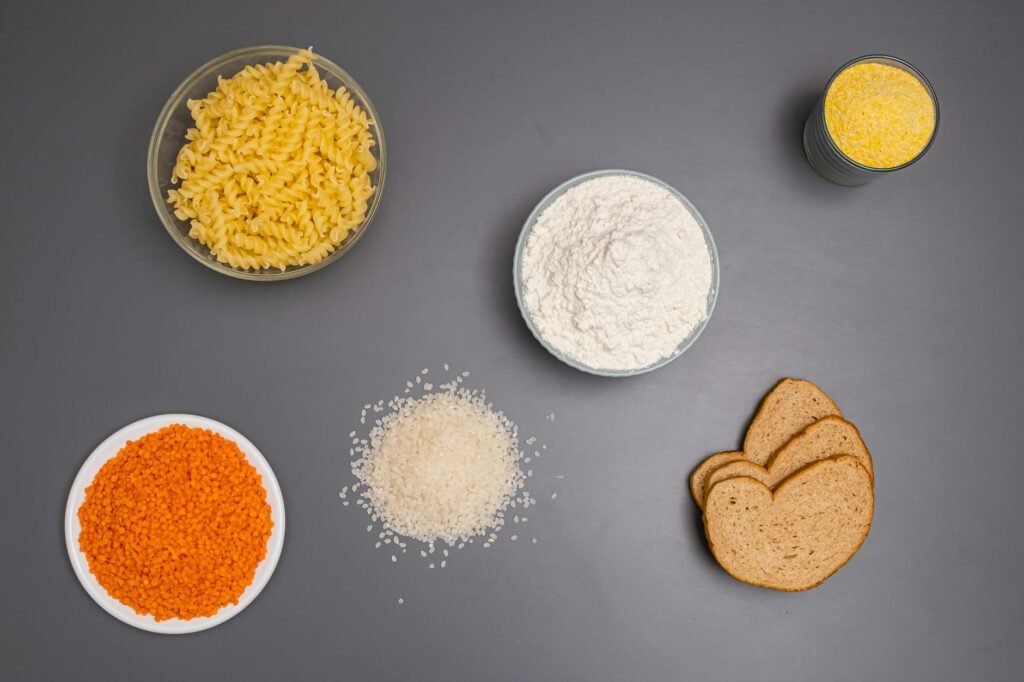
How to pack for better texture and safer leftovers
- Use a two-zone lunch when possible: hot base in one container, cold crunch and herbs in another.
- Put lemon wedges, scallions, cilantro, peanuts, or chili crisp in mini containers. A fresh finish often matters more than a more complicated recipe.
- Label lids with the prep date and the last refrigerator day. That removes guesswork later in the week.
- Keep the refrigerator at or below 40°F. FDA recommends checking with an appliance thermometer rather than guessing. (fda.gov)
- Reheat leftovers to 165°F when serving them hot. USDA gives that temperature for leftovers. (fsis.usda.gov)
- If a container spent too long at room temperature, sat in a warm car, or was stored in a fridge that ran above 40°F for hours, replace the lunch. Saving money is not worth gambling with food safety. (fda.gov)
Warning: Food safety outranks thrift. USDA says leftovers can generally stay in the refrigerator for 3 to 4 days, and FDA says the refrigerator should stay at or below 40°F. If you are pregnant, age 65 or older, immunocompromised, or cooking for someone who is, take a more conservative approach and ask a qualified clinician for individual guidance. This article is informational and not medical advice. (fsis.usda.gov)
Common mistakes that make Thursday lunch taste tired
- Steaming every vegetable. Steam is fine nutritionally, but roasted vegetables usually hold texture and flavor better in storage.
- Using watery produce in the main batch. Cucumbers, tomatoes, and zucchini can be excellent, but often not in a five-day container.
- Relying on tender greens. Spring mix is usually a day-one ingredient, not a day-four base.
- Cooking grains until very soft. Soft grains become mushy faster after chilling and reheating.
- Pouring all the sauce over the batch on Sunday. Dress when you eat, not when you prep.
- Expecting crispy tofu or roasted chickpeas to stay crisp in a sealed container. Either keep them separate or use a different texture strategy.
- Prepping five identical lunches when your real schedule only needs three. Overprepping is a waste problem disguised as discipline.
When the four-day plan is the wrong plan
There are some plant-based options that are not a great choice for a full four-day meal. Salads with large amounts of avocado, cucumbers and tomatoes bowl, crispy cutlets, noodles that contain a lot of herbs, and anything that has a light, crunchy texture typically will not be as good on the second or third day. If this is the food your plan calls for, it would be better to prepare (1) a single batch, (2) two saucy backups by freezing them, and (3) serving the aesthetically pleasing meal for dinner, not a meal during morning or afternoon hours.
Backup options matter because appetite changes and schedules shift. Keep one freezer meal and one shelf-stable emergency lunch in reserve. Or use a halfway solution: cooked grain and beans for the week, then buy pre-shredded slaw and a bottled sauce for the last two lunches. The goal is not homemade perfection. The goal is lowering the odds of a last-minute delivery order when your container stops looking appealing. USDA and MyPlate both support using leftovers and freezing extra portions as part of a practical meal plan. (fsis.usda.gov)
Run a Friday fridge audit before you repeat the plan
- Write down what got eaten first and what you avoided. Taste is data.
- Score each component from 1 to 5 on day-four texture: protein, starch, vegetables, sauce, and fresh finish.
- Count waste honestly. Half a serving tossed, soggy herbs, or untouched sauce should change next week’s plan.
- Check the refrigerator thermometer. If the fridge is above 40°F, fix that before you troubleshoot recipes. (fda.gov)
- Change one variable next week, not five. Try a sturdier vegetable, a different grain, or sauce on the side so you know what improved the result.
Bottom line
To prepare meals using plant-based ingredients so that they taste great even four days after being prepared, shift your approach from being recipe-based to being structure-based. This means: taking advantage of durable foods when building components, keeping wet and crunchy components separated, planning for a fresh finish, and freezing anything you aren’t likely to eat within that timeframe. While the actual budget of each meal will vary, the most productive “lunch” is not the most “good” one; it will suit your budget at the time of purchase and fit into your schedule when you might need it, and as such, it should be able to last in your refrigerator without spoiling or being ruined by your moods.
FAQ
What plant-based lunches usually taste best on day four?
Lentil bowls, bean chili/add chana (like chickpeas) curry, and tofu rice bowls (if you pack your sauce separately) or peanut noodle bowls (using cabbage or carrots, etc.) will hold up well. They are not only delicious but are also easy to make fresh again when you serve them with lemon, fresh herbs, or crunchy toppings.
Do plant-based leftovers follow the same refrigerator timeline as meat-based leftovers?
Yes. Plant-based does not mean nonperishable. USDA says leftovers can generally stay in the refrigerator for 3 to 4 days, and FDA says the refrigerator should be at or below 40°F. Cooked grains, beans, sauces, and cut produce still need careful storage. (fsis.usda.gov)
Can I meal-prep salad for four days?
Certainly! A whole bowl of chopped salad can be made using solidly-handled cold-weather veggies (like cabbage, kale, carrot, broccoli slaw, etc.) but those items would remain separated from the dressing/nuts/seeds/herbs until August.
Should I freeze part of the batch right away?
If you suspect you will not eat all of it by day four, yes. Freeze one or two portions on prep day while quality is still high. USDA says leftovers can generally be frozen for 3 to 4 months. (fsis.usda.gov)
What is the cheapest plant protein base that still holds up?
Lentils and beans are hard to beat on value and durability. MyPlate lists beans, peas, and lentils as low-cost protein foods and notes they cost less than a similar amount of many other protein foods. They also reheat well and take seasoning well, which helps on day four. (myplate.gov)
How do I make tofu taste better by Thursday?
You should begin with extra-firm tofu; you should press the tofu well and bake/roast until the edges are dry. Do not mix the sauce in initially. Wet-packed tofu that has been sitting in the sauce for an extended time will typically become soft and one-dimensional). A more intense or sharper sauce will generally add much more flavor and visual appeal/quality than more marinating time.
References
- FDA: Are You Storing Food Safely? – https://www.fda.gov/consumers/consumer-updates/are-you-storing-food-safely
- USDA FSIS: Leftovers and Food Safety – https://www.fsis.usda.gov/food-safety/safe-food-handling-and-preparation/food-safety-basics/leftovers-and-food-safety
- FDA: Food Safe Meal Prep Tips (PDF) – https://www.fda.gov/media/115208/download
- USDA MyPlate: Meal Planning (PDF) – https://www.myplate.gov/sites/default/files/2024-06/TipSheet-24-Meal-Planning.pdf
- USDA MyPlate: Planning for Savings, Leftover Edition (PDF) – https://www.myplate.gov/sites/default/files/2024-08/MyPlate-Planning-For-Savings-Leftover-Edition.pdf
- USDA MyPlate: Shop Smart – https://www.myplate.gov/eathealthy/budget/budget-price-tag
- USDA MyPlate: Protein Foods Group – https://www.myplate.gov/eathealthy/protein-foods
- FDA: People at Risk of Foodborne Illness – https://www.fda.gov/food/consumers/people-risk-foodborne-illness
- FDA: Food Safety for Older Adults and People with Cancer, Diabetes, HIV/AIDS, Organ Transplants, and Autoimmune Diseases – https://www.fda.gov/food/people-risk-foodborne-illness/food-safety-older-adults-and-people-cancer-diabetes-hivaids-organ-transplants-and-autoimmune