TL;DR
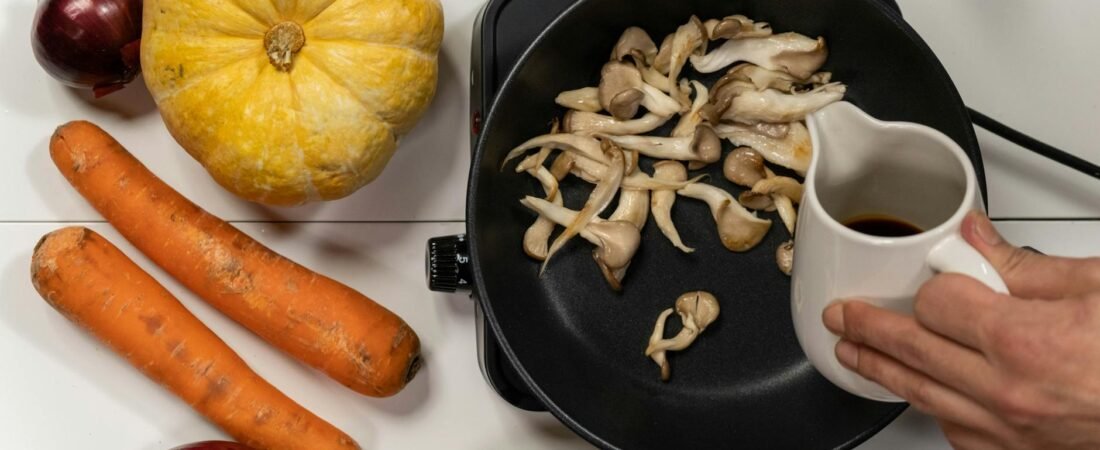
- Deep vegan flavor usually comes from layering, not from finding one perfect meat substitute. The usual building blocks are fermented concentrates, dried umami ingredients, real browning, a little fat, and a sharp finish. (Harvard Nutrition Source)
- The most useful pantry builders are tomato paste, miso, soy sauce or tamari, dried mushrooms, nutritional yeast, and kombu. Tomatoes, mushrooms, sea vegetables, and fermented soy foods are all identified as strong plant-based savory builders. (Harvard Nutrition Source)
- Technique matters as much as ingredients: roast or sauté until you get browned edges, avoid crowding the pan, and add lemon or vinegar near the end if the dish tastes dull. (Michigan State University Extension)
- For budget-minded cooks, these ingredients earn their keep because a spoonful or two can change an entire pot of beans, soup, or lentils.
The usual reason a vegan dinner tastes thin is not that it lacks protein or spice. It is that the dish was built wide instead of deep: lots of vegetables, broth, or grains, but not enough concentration. Professional cooks solve that with small, potent additions and better timing. A tablespoon of tomato paste cooked in oil, a spoonful of miso whisked in at the end, dried mushrooms steeped into broth, or nutritional yeast used as a finisher can do more than another handful of random seasonings. (Harvard Nutrition Source)
Table of Contents
- Why some vegan dishes taste flat
- Use the STACK Test before you add more salt
- The flavor builders worth keeping around
- How pros build depth in a weeknight pot
- A realistic pantry-math example
- Common mistakes that keep vegan food tasting flat
- When the first plan is not enough
- How to pressure-test the dish before serving
- The bottom line
- FAQ
- References
Why some vegan dishes taste flat
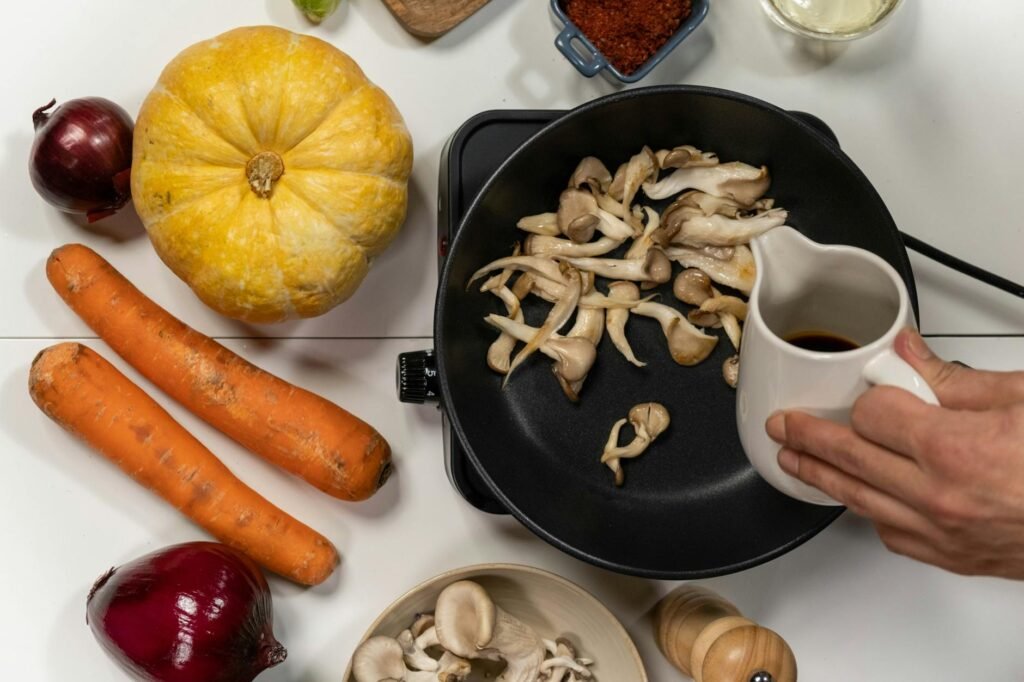
Many home cooks mistake salt for depth. Salt can sharpen what is already there, but depth usually comes from umami compounds, fermentation, drying, and browning. Harvard Nutrition Source highlights mushrooms, tomatoes, sea vegetables, soy sauce, miso, toasted nuts and seeds, and savory spices as useful plant-based flavor builders. Monell notes that glutamate tastes stronger when paired with certain ribonucleotides, which helps explain why ingredient combinations often taste fuller than any single ingredient on its own. (Harvard Nutrition Source)
Concentration matters more than many people realize. The Umami Information Center’s ingredient tables show much higher reported glutamate or related umami compounds in dried tomatoes than in fresh tomatoes, in dried shiitakes than in fresh shiitakes, and in kombu than in many everyday vegetables. That is why a small pantry addition can change a whole pot. (Umami Information Center)
Use the STACK Test before you add more salt
The STACK Test is a quick kitchen audit built around the same levers that show up again and again in plant-based cooking guidance and food science: browning, concentrates, aroma, richness, and finish. If a dish tastes dull, run through this list before you keep seasoning blindly. (Harvard Nutrition Source)
- S – Sear or sweat something until it actually changes color. Pale onions and gray mushrooms rarely taste finished.
- T – Tuck in a concentrate. Use one: tomato paste, miso, soy sauce, mushroom powder, nutritional yeast, or a small piece of kombu.
- A – Add aroma with intention. Garlic, ginger, scallions, toasted spices, citrus zest, and herbs should support the main flavor, not compete with it.
- C – Carry flavor with fat. A little olive oil, tahini, sesame oil, coconut milk, or nut butter helps savory flavors linger.
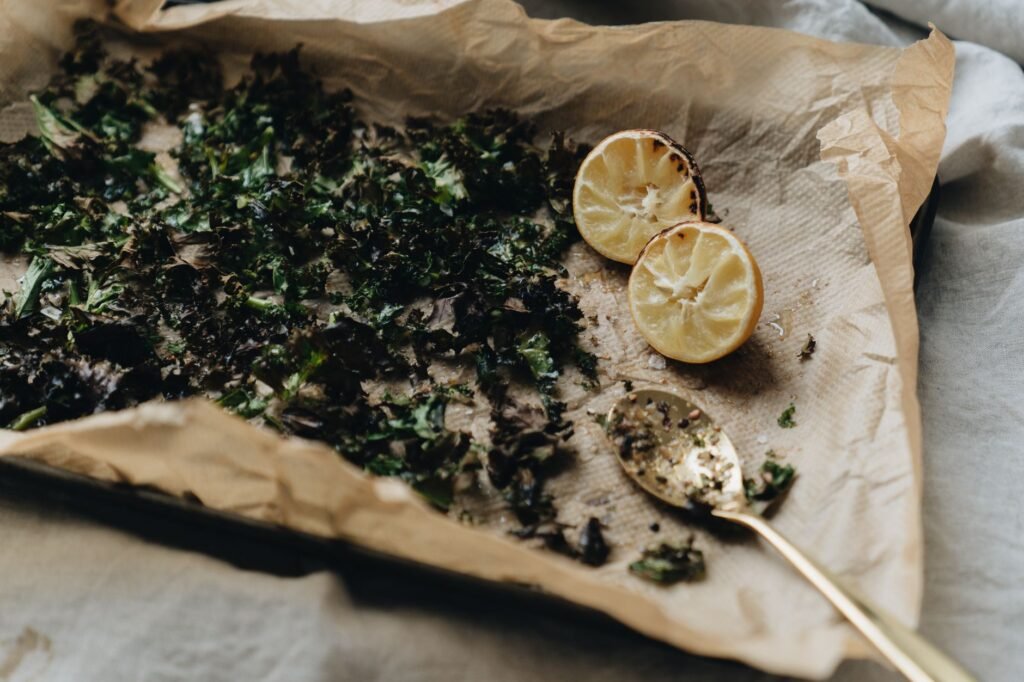
- K – Kick the finish. Lemon juice, rice vinegar, sherry vinegar, pickled vegetables, black pepper, or charred greens can wake the dish up at the end.
Whenever you can see a distinct layer in the food item you are tasting, give that layer 1 point. A dish scored 0 or 2 points usually tastes bland, while a dish that is 3 points typically requires one additional step of preparation before being served to someone. If the dish is scored at 4 or 5 points, it typically has an intentional outcome as opposed to an unintentional outcome.
The flavor builders worth keeping around
Tending to the pantry doesn’t need to be a costly or time-consuming endeavor. It will save money and time while enabling the performance of multiple uses. This doesn’t mean you need to buy a shelf full of unique sauces but rather concentrate on having a few versatile ingredients that can take you from simple to amazing with beans, grains, vegetables, soup, noodle dishes, and sauces.
| Builder | Best in | When to add | Sample cost per use | Mistake to avoid |
|---|---|---|---|---|
| Tomato paste | Chili, lentils, braises, tomato sauces | Cook it in oil for 30 to 60 seconds before adding liquid | $0.15-$0.25 | Stirring it straight into broth and leaving it raw |
| White or yellow miso | Soups, dressings, beans, glazes | Whisk with warm liquid and add near the end | $0.25-$0.45 | Using it like plain salt and overshooting |
| Soy sauce or tamari | Stir-fries, grains, gravy, roasted vegetables | Use in small mid-cook doses or finishing splashes | $0.05-$0.10 | Pouring before you taste for salt |
| Dried shiitakes or mushroom powder | Broths, rice, lentils, gravies | Steep, chop, or grind and bloom | $0.50-$1.25 | Adding too much and making the dish muddy |
| Nutritional yeast | Creamy sauces, pesto, popcorn, beans | Stir in at the finish | $0.30-$0.50 | Expecting it to replace every other layer |
| Kombu | Beans, broths, rice, noodle soups | Steep in liquid, then remove | $0.20-$0.40 | Looking for a loud seaweed taste instead of quiet depth |
If you only buy three, start with tomato paste, miso, and dried mushrooms. That trio covers red sauces, bean pots, soups, noodles, dressings, and grain bowls without locking you into one cuisine.
How pros build depth in a weeknight pot
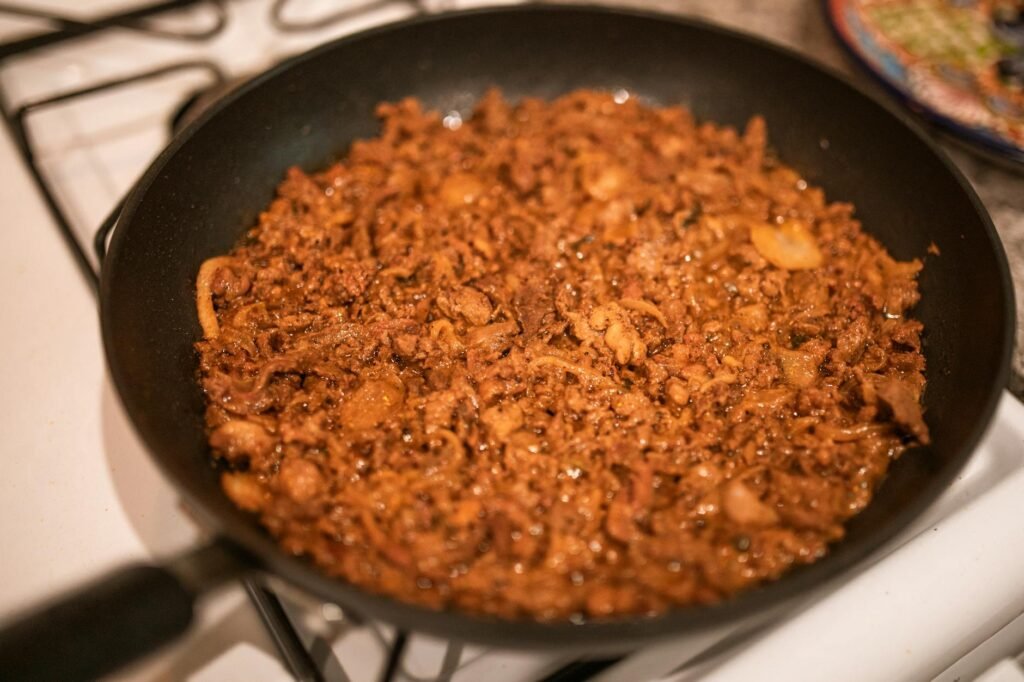
Technique is the multiplier. Harvard points to roasting, grilling, sautéing, and caramelizing vegetables for more savory character. Extension guidance adds two practical rules that matter a lot at home: keep vegetables in a single layer so they brown instead of steam, and use lemon at the end when the dish needs brightness. ACS cooking chemistry materials explain the basic reason: browning reactions create new flavor compounds, not just color. (Harvard Nutrition Source)
- Start with an allium and enough fat to coat the pan. Cook until translucent, then keep going until at least some edges pick up color.
- Add one concentrated builder. Fry tomato paste briefly, or bloom mushroom powder and spices in the oil.
- Add one fermented builder. A teaspoon or two of soy sauce or miso is usually enough to start.
- Bring in a second source of depth if the dish is brothy or bean-heavy. Dried mushrooms, kombu, or both work well here.
- Simmer uncovered long enough to reduce and concentrate. If the pot tastes watery, it usually is.
- Finish, then taste again. Add acid, a fresh herb, black pepper, nutritional yeast, or a small spoon of tahini only after the main cooking is done.
A realistic pantry-math example
Imagine having enough lentil ragù to serve a family of four and you’ve made it with simply onion, garlic, lentils, canned crushed tomatoes (or fresh if you have them), vegetable broth (homemade vegetable broth if you have it) olive oil and herbs like basil and oregano. It will be very flavourful but possibly not a great dish because everything in this recipe is soft, wet, and has an acidic taste.
Now you want to enhance that flavour by adding 1 Tbsp tomato paste, 1 oz of dried shiitake mushrooms, 1 Tbsp white miso, 2 Tsp soy sauce, 2 Tbsp nutritional yeast, and 2 Tsp red wine vinegar. Add these ingredients at the end of cooking your lentil ragù.
Using rounded mid-store prices, that extra layer costs about $2.40 total: roughly $0.20 for tomato paste, $1.10 for shiitakes, $0.35 for miso, $0.10 for soy sauce, $0.55 for nutritional yeast, and $0.10 for vinegar. That works out to about $0.60 per serving. For a cook trying to keep weeknight meals affordable, that is often a better trade than piling on more specialty ingredients that solve texture but not flavor.
Common mistakes that keep vegan food tasting flat
- Crowding mushrooms or vegetables. If the pan is packed, you get steam, not browned edges. (Michigan State University Extension)
- Trying to fix a thin dish with more salt alone. Salt sharpens, but it cannot create the depth that browning, fermentation, or reduction would have created.
- Using three or four savory concentrates at full strength. Miso, soy sauce, tomato paste, and nutritional yeast can work together, but small doses are usually better than one loud, muddy hit.
- Skipping fat entirely. Very low-fat vegan cooking can taste thin unless you compensate with stronger concentrates, more browning, and a sharper finish.
- Adding acid too early. Vinegar or lemon is usually most useful at the end, once you know what the pot actually needs. (University of Maine Cooperative Extension)
- Expecting nutritional yeast to do the whole job. It is best as a finisher, not as your only source of savory depth. (Harvard Health)
When the first plan is not enough
Sometimes the first fix is not the right fix. If a dish still tastes weak after you add miso or soy sauce, the problem may be texture, sweetness, or lack of browning rather than a lack of umami. And if you avoid soy, you still have solid backup options: Harvard’s plant-based guidance highlights tomatoes, sea vegetables, toasted nuts and seeds, savory spices, and mushrooms, while reported umami concentration data show that dried tomatoes, kombu, and dried shiitakes can all pull real weight. (Harvard Nutrition Source)
- Soy-free: lean on tomato paste, dried mushrooms, kombu, toasted nuts or tahini, smoked paprika, and vinegar.
- Mushroom-free: use miso, tomato paste, caramelized onions, nutritional yeast, and a small finish of lemon.
- Low-sodium: rely more on browning, reduction, acid, garlic, and unsalted mushroom powder; use miso or soy sauce in smaller, measured doses.
- No specialty store nearby: start with tomato paste, onions, garlic, lemon, and one jar of miso. That gets you a lot of mileage.
- No time for long cooking: choose quick builders such as tomato paste, soy sauce, nutritional yeast, and lemon rather than waiting on deep caramelization.
How to pressure-test the dish before serving
Do not keep correcting the whole pot blindly. Run a side-by-side test. It takes two minutes and can save a lot of over-seasoned dinners.
- Spoon three small samples into cups or bowls.
- Stir a few drops of acid into the first sample.
- Stir a tiny bit of diluted miso, soy sauce, or mushroom broth into the second.
- Stir a few drops of olive oil or a dab of tahini into the third.
- Taste all three against the plain pot. The best sample tells you what is actually missing: brightness, umami, or richness.
- If none of the three samples improves the dish, the real issue is probably texture or lack of browning. Stop seasoning and change the cooking method next time.
Important: This is for general purposes only – please note that you are not getting individual nutritional recommendations based on your needs. Make sure to read the label carefully also use moderation in the amount of salt that you add to each recipe and when possible include the advice from a trained professional or registered dietitian in your cooking process to ensure that you are meeting your personal dietary requirements.
The bottom line
The fastest way to make vegan food taste more professional is to stop looking for one magic substitute and start building layers on purpose. Fermented soy products, mushrooms, tomatoes, sea vegetables, nutritional yeast, browning, and a late pop of acid all do different jobs. Once you learn to combine two or three of them instead of leaning on one, weeknight plant-based food gets deeper, more flexible, and often cheaper to improve. (Harvard Nutrition Source)
FAQ
What is the best first flavor builder to buy if my budget is tight?
Tomato paste is usually the best first buy because it is cheap, widely available, and useful in soups, beans, pasta sauces, chili, and braises. If you want a second jar, miso is a flexible upgrade; tomatoes and fermented soy products are both recognized as plant-based umami sources. (Harvard Nutrition Source)
Can I use miso and soy sauce in the same dish?
Yes, but use smaller amounts of each. They overlap on salt and savoriness, yet they are not identical: miso brings body and fermentation, while soy sauce is sharper and thinner. Taste before adding any extra salt. (Harvard Health)
Is nutritional yeast enough to make a vegan dish taste deep?
Usually not by itself. Harvard Health notes that nutritional yeast brings an umami-rich punch because of glutamic acid, but it works best as a finisher alongside browning, a concentrate like tomato paste or miso, and a brighter finish. (Harvard Health)
How do I add depth without making the dish saltier?
Shift more of the work to browning, dried mushrooms, tomato paste, reduction, and acid. Mushrooms and tomatoes are naturally savory, and extension guidance shows that real browning plus a final squeeze of lemon can add flavor without defaulting to more salt. (Harvard Nutrition Source)
Do I need kombu if I already use mushrooms?
Not necessarily. Dried mushrooms give earthy, darker depth; kombu gives a cleaner broth-like savoriness. The Umami Information Center lists both seaweed and dried mushrooms as rich sources of umami compounds, so the choice depends more on the style of dish than on a strict rule. (Umami Information Center)
References
- Monell Chemical Senses Center: The Gamut of Sensory Nutrition Research at the Monell Center – https://monell.org/the-gamut-of-sensory-nutrition-research-at-the-monell-center/
- Harvard T.H. Chan School of Public Health: Prioritize hearty and savory plant-based preparations – https://nutritionsource.hsph.harvard.edu/elevate-your-plate/hearty-and-savory-plant-based/
- Harvard T.H. Chan School of Public Health: Mushrooms – https://nutritionsource.hsph.harvard.edu/food-features/mushrooms/
- American Chemical Society: Tasty Culinary Chemistry – https://www.acs.org/acs-webinars/library/tasty-culinary-chemistry.html
- Michigan State University Extension: Vegetables – grilled or roasted – are a healthy, tasty meal – https://www.canr.msu.edu/news/vegetables_grilled_or_roasted_are_a_healthy_tasty_meal
- University of Maine Cooperative Extension: Roasted Vegetables – https://extension.umaine.edu/food-health/recipes/roasted-vegetables/
- Harvard Health Publishing: Nutritional yeast: Does this savory, vegan seasoning pack a nutritional punch? – https://www.health.harvard.edu/diet-and-nutrition/nutritional-yeast-does-this-savory-vegan-seasoning-pack-a-nutritional-punch
- Harvard Health Publishing: Fermented foods can add depth to your diet – https://www.health.harvard.edu/healthy-aging-and-longevity/fermented-foods-can-add-depth-to-your-diet
- Umami Information Center: Umami Information by Food – https://www.umamiinfo.com/richfood/