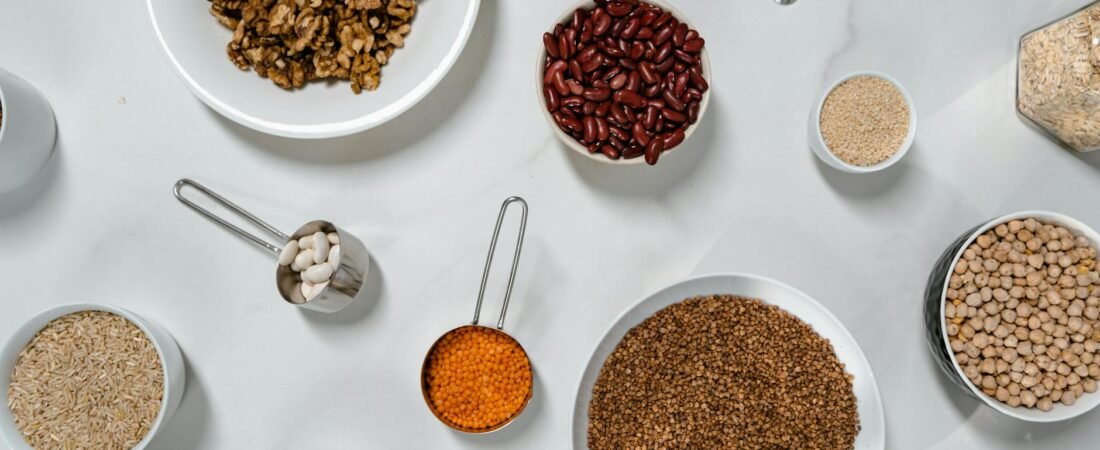
Busy weeknights usually do not fall apart because dinner is impossible. They fall apart because the plan asks too much at 6:15 p.m. Too many dishes. Too much chopping. Not enough protein. No backup if someone is tired and hungry. A good one-pot vegan dinner solves that by leaning on pantry staples, frozen vegetables, and one strong finishing flavor so the meal feels like dinner, not a compromise.
That matters for a budget-minded household, because less cleanup and fewer half-used ingredients can mean fewer “forget it, let’s order out” nights. Beans, peas, lentils, nuts, seeds, and soy foods are recognized vegetarian protein options, and MyPlate notes that beans, peas, and lentils also count toward the vegetable group. (myplate.gov)
Table of Contents
- TL;DR
- Why one-pot vegan dinners make sense for both time and grocery budgets
- Use the 3-2-1 Rescue Pot Rule
- A quick table for choosing tonight’s pot
- Five formulas that hold up on a Tuesday
- A realistic weeknight savings example
- What to keep in the kitchen so dinner is mostly automatic
- Common mistakes that waste time, money, or flavor
- When the one-pot plan runs into real life
- How to verify that the strategy is actually working
- Bottom line
- FAQ
- References
TL;DR
- Use the 3-2-1 Rescue Pot Rule: 3 anchors, 2 flavor layers, 1 finish.
- Build five repeatable dinners you can cook from memory instead of chasing new recipes every week.
- Aim for meals that cost less than your real fallback, which is usually takeout, frozen dinners, or a second grocery run.
- Favor ingredients with a long shelf life: lentils, canned beans, pasta, rice, frozen vegetables, tomato paste, and broth.
- Track cost per serving, leftovers eaten, and rescue spending for two weeks to see whether the system is actually working.
Why one-pot vegan dinners make sense for both time and grocery budgets
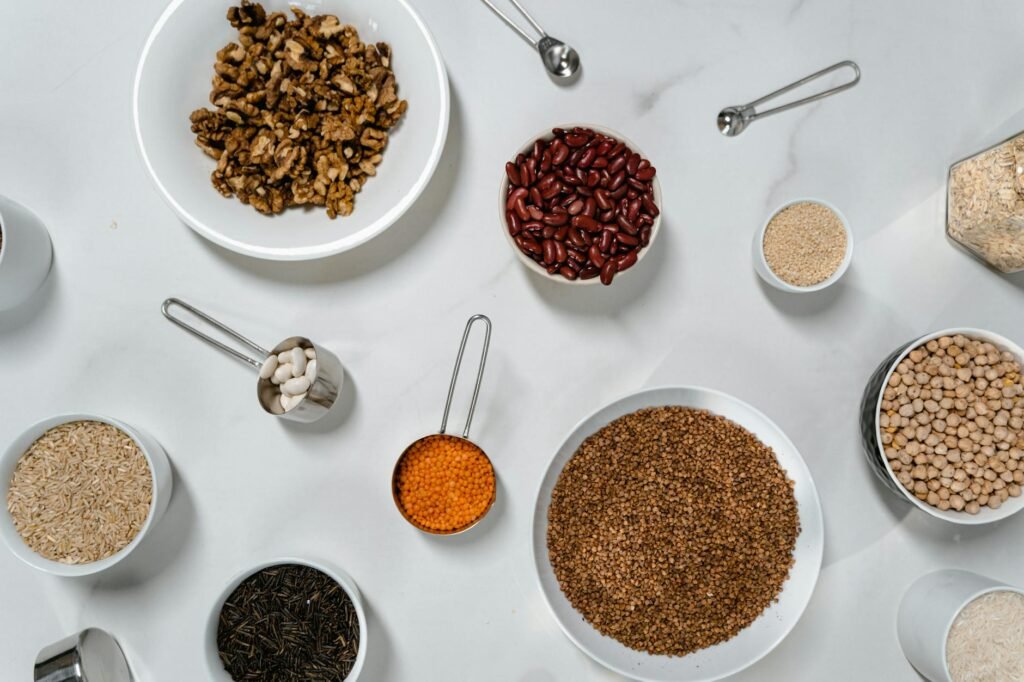
The strongest weeknight meals are usually built from foods that store well and can cover more than one job. Lentils and beans handle protein and bulk. Rice, pasta, or potatoes make the meal feel complete. Frozen spinach, peas, broccoli, or corn keep produce from spoiling in the drawer. MyPlate’s budget guidance recommends planning meals, comparing unit prices, and using beans plus canned or frozen vegetables to stretch food dollars. It also notes that frozen and canned produce can be just as nutritious as fresh and may cost less. (myplate.gov)
The catch is that alone, cheap or easy are not enough to ensure a meal is satisfying for everyone. If your meal is just a pot of starches and vegetables peppered with weak seasonings, then people will likely return to the pantry an hour later for more food. The goal here is to have a finished one-pot meal that will give you leftovers which you’ll enjoy eating again the next day.
Use the 3-2-1 Rescue Pot Rule
- 3 anchors: choose one protein, one bulk base, and one vegetable. Example: chickpeas + rice + peas.
- 2 flavor layers: use one aromatic or spice base and one concentrated flavor source. Example: garlic + curry powder, then tomato paste, miso, salsa, peanut butter, or coconut milk.
- 1 finish: add something at the end that wakes the pot up. Think lemon, lime, herbs, chili oil, toasted seeds, green onions, or a spoonful of vegan yogurt.
Avoiding blandness and mushiness in your dinner doesn’t have to take a lot of time or effort. Using an anchor in each ingredient will give your meal structure, however, it can also create a flat tasting dish. You add layers of flavor to each ingredient to make sure that you have the right amount of flavour in addition to having a balanced meal – this will add to the complexity of your dish, however it may still feel heavy after eating. Each finishing technique adds the depth, roundness and texture that prevent chili from having a muddy flavour, curry from being one dimensional and noodle pots from tasting like they came straight out of your pantry.
It also lets you repeat the same low-cost core ingredients without every meal blurring together.
A quick table for choosing tonight’s pot
| Dinner | Best when you have | Time | Estimated cost per serving | Flavor profile |
|---|---|---|---|---|
| Smoky black bean sweet potato chili | Beans, canned tomatoes, one sturdy vegetable | 35 to 40 minutes | $2.10 | Smoky, hearty, freezer-friendly |
| Red lentil tomato pasta pot | Pasta, red lentils, tomato paste, spinach | 25 minutes | $1.95 | Cozy, savory, tomato-forward |
| Coconut chickpea rice skillet | Rice, chickpeas, coconut milk, peas | 30 minutes | $2.40 | Creamy, mild curry |
| Peanut noodle broccoli pot | Noodles, broccoli, peanut butter, tofu or edamame | 20 minutes | $2.85 | Nutty, salty, fast |
| White bean mushroom greens stew | White beans, mushrooms, broth, kale or spinach | 30 minutes | $2.50 | Brothy, herby, comforting |
Five formulas that hold up on a Tuesday
Smoky black bean and sweet potato chili
For this recipe, begin by creaming together some baked (or roasted) onion, sliced (or chopped) garlic, chili powder, ground cumin, and about 1 tablespoon of tomato paste. Next, add diced (or cubed) sweet potatoes, canned tomatoes (drained), black beans (drained), and frozen corn, stir well and allow the mixture to simmer for about 15 minutes or until the sweet potatoes are tender. Towards the end of cooking, add lime juice to taste (freshly squeezed) and garnish your dish with breadcrumbs or pumpkin seeds (both make excellent toppings). Enjoy!
This is one of those amazing vegan meals for those nights when you don’t have a lot of time because they warm up well, freeze well, and often taste much better after sitting out overnight. If you have a lot of sweet potatoes on your grocery list this week, you can replace the sweet potato with a couple of pounds of carrots plus one more can of beans.
Red lentil tomato pasta pot
This dish is also super cheap! Start by quickly creating a basic flavour base using onions, garlic, oregano, red chilli flakes and then add the following ingredients: short pasta, red lentils, water (or broth), and sufficient salt for seasoning the remaining liquid. Stir throughout the final stages of cooking so that the pasta doesn’t stick together. When finished, add spinach and good nutritional yeast.
As the lentils break down they will thicken the sauce and add richness, similar to the cream or cheese in a more traditional version of this dish. You will finish with lemon juice and olive oil. If the pot is getting too tight you can add hot water half a cup at a time until you loosen it.
Coconut chickpea rice skillet
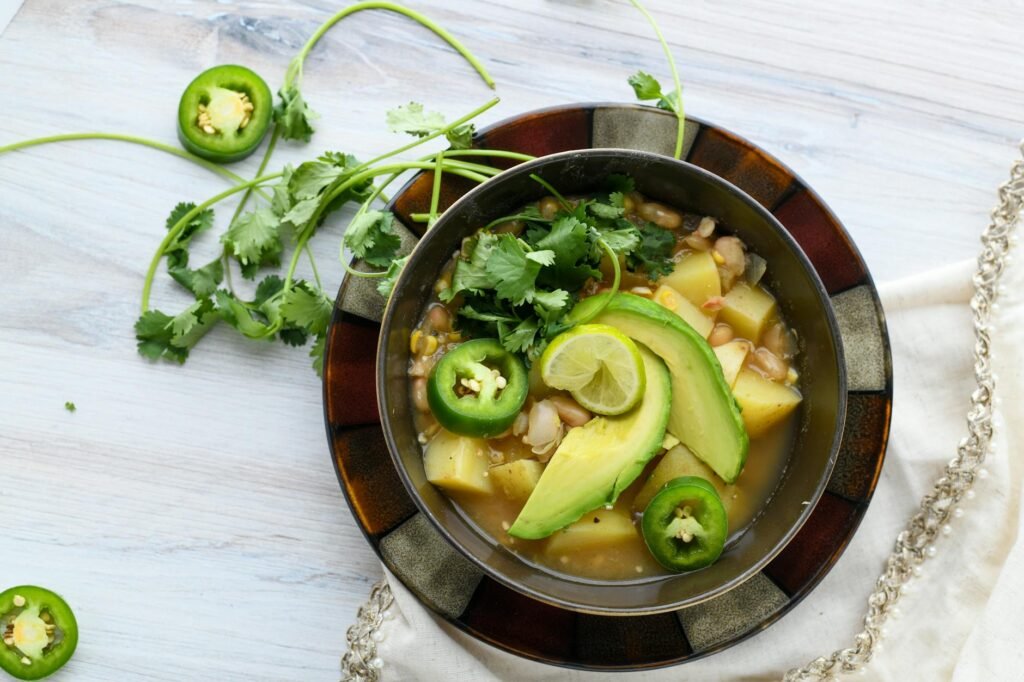
Sauté onions in some curry powder, or if available, grated ginger. Add in the white rice, chick peas, coconut milk and water. Once the rice is almost cooked, fold in your frozen peas or spinach and let simmer gently until the rice grains remain separate from one another.
Coconut milk serves dual purposes in providing flavour and protecting texture. At the very end, you add a squeeze of lime so that none of it will taste too heavy. Dinners like this on busy nights need minimal ingredients; one type of curry, one vegetable and one topping. Simple as that.
Peanut noodle broccoli pot
To make use of this quick, fast recipe for dinner in 20 minutes: Mix peanut butter, soy sauce, garlic and water or broth in pot until combined as a loose sauce, add noodles, broccoli and tofu or shelled edamame to pot. Reduce heat to low and cover to cook until noodles are soft and sauce coats everything.
You can add lime, chili crisp or sliced green onion to finish your dish. The only limitation you will have is leftover noodles. With this type of noodle, they will often not keep as well and lose their texture by the next day. Make a smaller batch if your family does not consistently eat leftover noodles.
White bean mushroom greens stew
Start by cooking the brown mushrooms so they have a deep umami flavor instead of all the moisture that gets released after cooking. After that, add the onions, garlic, thyme, white beans, and broth, as well as your choice of chopped potatoes or small pasta to your liking. Once the broth has cooked, mix in the spinach or kale and at the end of the cooking time, smash a few of the beans against the side of the pot for body.
Lemon and black pepper matter here. Without them, the stew can read as dull and gray. With them, it tastes intentional and complete.
A realistic weeknight savings example
Take a sample three-dinner week for a household of four using discount-store prices. A black bean chili costs about $8.40 for four servings. A red lentil pasta pot costs about $7.80. A coconut chickpea rice skillet lands around $9.60. That is roughly $25.80 total for 12 dinner servings, or about $2.15 per serving before optional toppings.
If the same household’s usual fallback is delivery at $42 a night after taxes and fees, three takeout dinners cost $126. In that sample week, the one-pot plan saves about $100. This is not a national average. It is a planning example meant to show the right comparison: not homemade versus perfection, but homemade versus what you actually buy when the day gets away from you.
What to keep in the kitchen so dinner is mostly automatic
- Pick two proteins for the week: for example, red lentils and canned chickpeas, or black beans and tofu.
- Pick two bases: rice plus pasta, or potatoes plus noodles. Limiting the base ingredients keeps shopping simpler.
- Buy two convenience vegetables you know you will use. Frozen spinach, peas, broccoli, mixed peppers, and corn are usually better weeknight buys than fragile produce.
- Keep two concentrated flavor builders on hand. Tomato paste and curry paste work. So do salsa and peanut butter.
- Stock one bright finish and one crunchy finish. Lemon or lime covers the first; toasted seeds, nuts, or tortilla strips cover the second.
- Pre-decide two emergency meals from pantry items you already have. If the week gets rough, you are not making a new decision from scratch.
While shopping, pay attention to the unit price and not just the package price. This is especially important with items like canned beans, pasta, rice, and frozen vegetables. If you’re able to purchase these fresh foods but they often go to waste before you use them, then using either frozen or canned foods may be the best option for you rather than a lesser quality product. As per MyPlate, you should look for unit prices; beans and canned/frozen vegetables can stretch your budget; and look for low-sodium/no-salt added canned vegetables.
Extending that same label-reading habit to beans and tomatoes is a sensible move for households watching sodium. (myplate.gov)
Common mistakes that waste time, money, or flavor
- Trying to cook every ingredient from raw at the same speed. Add tender greens and frozen peas late, not at the beginning.
- Skipping the concentrated flavor source. Onion and garlic alone rarely carry an entire pot.
- Choosing the wrong base for the night. Brown rice may be fine on Sunday; it is often a bad Tuesday choice.
- Forgetting the finish. Acid, herbs, or crunch are what make a cheap meal taste finished.
- Making huge batches of noodle dishes that your household will not enjoy as leftovers.
- Buying specialty vegan ingredients for one recipe and never using them again.
When the one-pot plan runs into real life
There are nights where a 25-minute dinner can feel like too long and that’s okay! Don’t take this as a failure of the strategy but instead a way to have multiple backup plans. Here are a few examples: You can keep one freezer-friendly dinner option already portioned and prepared for future emergencies like chili or bean stew; You can keep one shelf-stable emergency meal that requires no cooking like pasta and jarred sauce (the longer the shelf life the better!); You can also have a dinner option that only takes minimal preparation like curry rice with frozen vegetables and canned chickpeas.
If your household has a fear of mixing textures together, then serve all toppings separately so that each person can put together their own bowl. If you discard leftovers on a regular basis, quit making 6 servings if there is only enough for 2 people. Smaller batches will give you a better return on your hopeful expectations.
Leftovers only save money if you handle them safely. FDA guidance says to refrigerate perishable cooked food within 2 hours and keep the refrigerator at or below 40°F. FoodSafety.gov’s cold storage chart says soups, stews, and many leftovers are best used within 3 to 4 days in the fridge. (fda.gov)
How to verify that the strategy is actually working
- Run a two-week Pot Audit. Write down the ingredient cost for each dinner, even if it is approximate.
- Divide by servings actually eaten, not servings cooked. Food tossed in the trash does not count as savings.
- Track whether leftovers were eaten, frozen, or wasted. This tells you which pots deserve repeat status.
- Record active cooking time and cleanup time. A meal that is cheap but exhausting is not a durable weeknight plan.
- Compare the dinner’s cost per serving with your real fallback cost, such as takeout, prepared foods, or drive-through meals.
- After two weeks, keep the three winners, cut the weak spots, and repeat the system instead of starting over.
Recipe advice generally ignores what we call a pressure test. If the coconut chickpea rice is inexpensive but not eaten twice then it is not a staple food. If a little bit more is spent on chili but it will provide both dinner and lunch, it is likely a staple food. If your average one-pot meal still exceeds your budget, look for the troublemakers: convenience sauces, special toppings and an excessive use of single purpose produce are typically where to save money.
Bottom line
One-pot vegan dinner recipes are low-cost options, but they are systems. You will want to have one protein, one base, five vegetables, two layers of flavor, one finish, and few meals that your family will actually eat again to create a one-pot meal. It can be built with pantry staples, frozen vegetables (no need to feel guilty about using frozen items), and the success of each meal may be based on the cost per serving, clean-up of the dish, and whether or not left-overs are used again. By building in this manner, one-pot meals begin to save you both time and money during the week.
FAQ
Are canned beans or dry lentils better for fast weeknight cooking?
Canned beans and dry lentils are both available at stores. Dry lentils are an economical protein choice that cooks quickly enough to use on most weekday meals. Canned beans have a higher per serving cost, however they eliminate the need to soak dried beans overnight and the long cooking process. In order to take full advantage of both, you should have a designated night for each type; using lentils for nights you have planned meals and using canned beans for nights when you may not have a meal planned.
Which one-pot vegan dinners freeze best?
Dishes like chili beans, stews with lentils, and sauces with tomatoes can all be frozen. If you think you want to put leftovers in the freezer, pick a dish that has broth, beans, or lentils. These types of foods freeze much better than soft noodles.
How do I keep one-pot vegan dinners from tasting flat?
Apply the 3-2-1 Rescue Pot Formula. Commonly bland pots of food are usually lacking an intense flavor component like the following (for example) Tomato paste, curry paste, salsa, miso, or peanut butter or a finishing ingredient such as lemon juice or zest, fresh or dried herbs, chili oil, texture, crunchy ingredients.
Do I need meat substitutes to make these meals filling?
No. MyPlate includes beans, peas, lentils, nuts, seeds, and soy products among vegetarian protein options, and beans, peas, and lentils also count toward the vegetable group. In practice, a pot built around lentils, beans, tofu, or edamame plus a starch can be very satisfying without specialty meat substitutes. (myplate.gov)
How long can leftover one-pot dinners stay in the fridge?
For most soups, stews, and similar leftovers, plan on 3 to 4 days in the refrigerator, refrigerate within 2 hours, and keep the fridge at or below 40°F. If you will not eat the leftovers in that window, freeze them sooner instead of hoping for the best. (fda.gov)
References
- USDA MyPlate: Healthy Eating on a Budget – https://www.myplate.gov/web/web/eat-healthy/healthy-eating-budget
- USDA MyPlate: Beans, Peas, and Lentils – https://www.myplate.gov/beans-and-peas
- USDA MyPlate: Protein Foods Group – https://www.myplate.gov/eathealthy/protein-foods
- USDA MyPlate: Shop Smart – https://www.myplate.gov/eathealthy/budget/budget-price-tag
- FDA: Are You Storing Food Safely? – https://www.fda.gov/consumers/consumer-updates/are-you-storing-food-safely
- FoodSafety.gov: Cold Food Storage Chart – https://www.foodsafety.gov/print/pdf/node/15?id=cold-storage-table