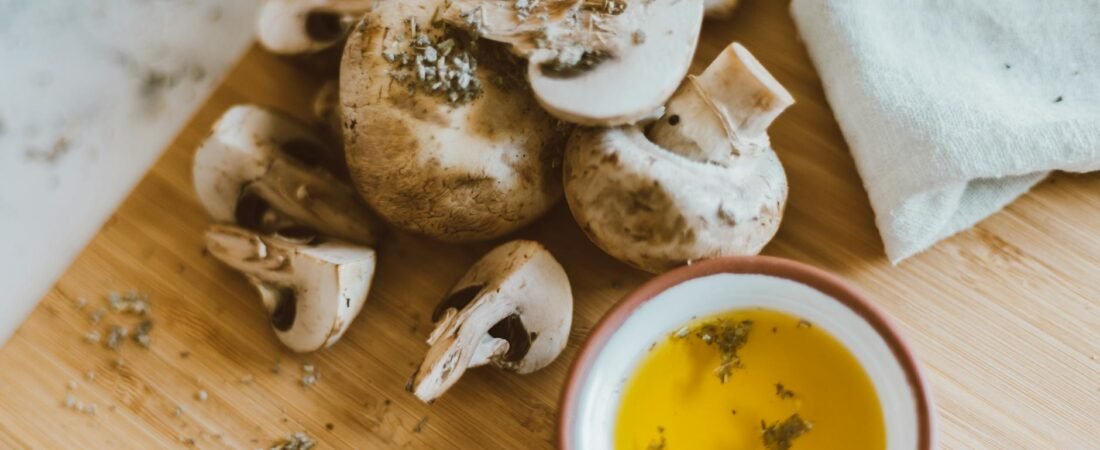
When trying to create a lavish vegan dinner, it typically does not require frozen processed protein options like imitation bacon or frozen plant-based patties or sauces that are pre-made (frozen sauces) in order to create a lavish meal at home. The finished product needs to have depth and richness combined with the four elements of creating rich, sufficient food – depth (the use of ingredients such as onions), richness (the use of mushrooms or tomatoes), acidity (the use of vinegar), and texture. Once you start using premium frozen products as a short cut for every dinner you make, the costs add up quickly and the taste is often sub-par. Building richness through cooking with technique to create depth, richness or acidity to build ingredients provides a satisfying experience and no need for imitating steak while creating a rich and satisfying vegan meal.
- Use the article’s Indulgence Stack Scorecard: comforting base, savory depth, creaminess, contrast, and a bright finish.
- If a vegan meal tastes flat, diagnose the missing layer before adding more fat or buying another packaged product.
- Spend on one convenience item per meal at most. Build the rest with pantry ingredients that can do multiple jobs.
- A realistic homemade rich vegan pasta can come in around $3 a serving instead of $5-plus for a shortcut-heavy version.
- Pressure-test your routine by tracking cost per serving, leftovers, and whether the meal scores at least 4 out of 5 on the scorecard.
This article is for general informational purposes, not medical or individualized nutrition advice. If you have kidney disease, digestive issues, food allergies, or unusually high protein needs, talk with a registered dietitian or clinician. Fully vegan eaters also need a reliable vitamin B12 source from fortified foods or supplements. (ods.od.nih.gov)
Indulgent does not mean imitation
A lot of shoppers try to buy indulgence outright: vegan sausage, vegan Alfredo, vegan Parmesan, vegan nuggets, vegan ranch. That can work once in a while, but it is rarely the cheapest or most reliable route. MyPlate points readers toward beans, lentils, nuts, seeds, and soy foods as core plant proteins, and the Academy of Nutrition and Dietetics notes that processed vegetarian foods can fit, but less processed options should make up the bulk of a vegetarian eating pattern. (myplate.gov)
The shortcut problem in real life is often related to sensory perception rather than ethical issues. Many brands producing pre-packaged plant-based foods provide you with a familiar product that can be eaten quickly, but they do not provide enough fried/roasted flavor or brightness/freshness. Thus, when you buy a meal, you will find that you have to add onion, lemon juice, fresh herbs or toasted breadcrumbs to create the complete flavor experience that adding just one or two will provide.
If you are on a budget, only purchase one additive until you can add to your collection. Do not buy multiple items and try to create an entire meal.
Use the Indulgence Stack Scorecard
Use this five-part test before preparing your meals. The Indulgence Stack Scorecard consists of five elements to determine whether your dish feels abundant, rather than simply providing a feeling of healthiness. These components include a comforting foundation, a savory foundation, a creamy foundation, a contrasting ingredient, and an ingredient that provides brightness to your dish. You will receive one point for each component. A meal scoring 4 or 5 on these criteria will generally feel like it came from a restaurant, while one scoring between 2 and 3 will taste good, but will not be something you are likely to have an intense craving for.
| Layer | What it adds | Low-cost ways to get it | Budget watch-out |
|---|---|---|---|
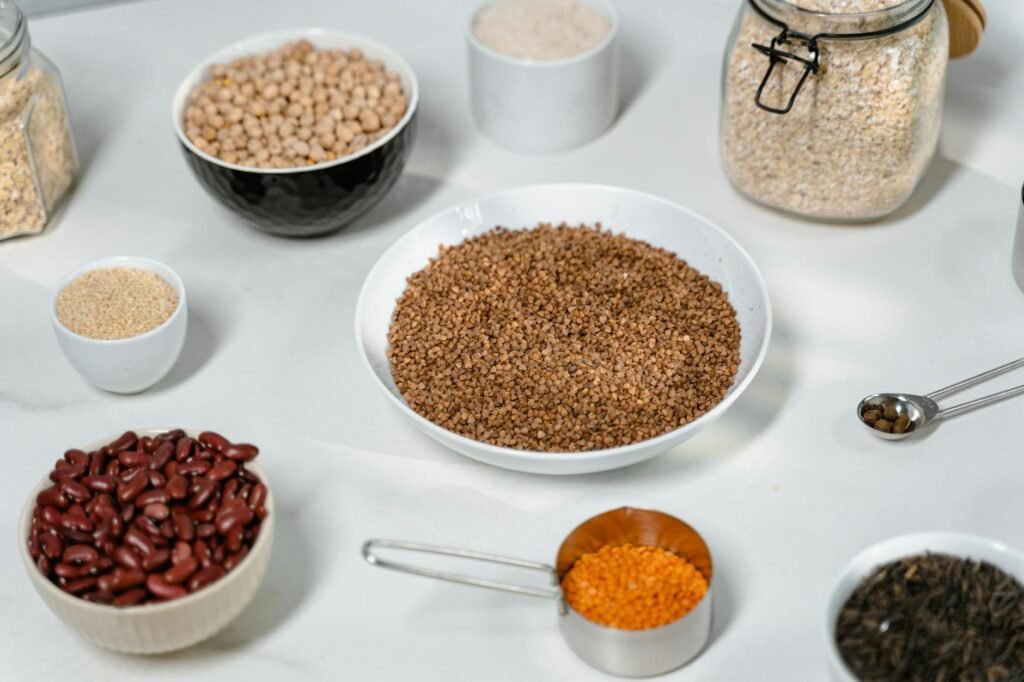
| Comforting base | Makes the meal feel substantial, not snack-like | Rice, pasta, potatoes, polenta, toasted bread, barley | Tiny portions that leave you hunting for dessert 30 minutes later |
| Savory depth | Creates the rich, meaty, cooked-all-day feeling | Browned onions, mushrooms, tomato paste, miso, soy sauce, roasted vegetables | Depending on bottled sauce to provide all the depth |
| Creaminess | Adds body and that finished, glossy texture | Blended white beans, tahini, peanut butter, silken tofu, oat milk, olive oil | Expensive vegan cheeses or a sauce made only from coconut cream |
| Contrast | Prevents a soft, heavy bowl from tasting dull | Toasted breadcrumbs, roasted chickpeas, seeds, charred vegetables, crisp slaw | Making every component soft or wet |
| Bright finish | Cuts through richness and wakes up the plate | Lemon, vinegar, pickled onions, capers, herbs, black pepper | Skipping acid, then trying to fix a dull dish with more salt |
You must be careful not to make corrections that are too extreme on the scorecard. For instance, if the bean stew is too salty, it may not be due to too much oil but rather too much onion, tomato paste, or vinegar added to the recipe. On the same token, if your pasta is not holding together properly, it may be missing some starch or enough water used during cooking. Identifying what you are missing can help you come up with the cheapest solution possible.
Where richness actually comes from
Start with browning, not just seasoning. Umami is the savory taste that makes a dish feel deep and substantial, and plant-based sources include mushrooms, tomatoes, miso, soy sauce, toasted nuts and seeds, and caramelized vegetables. Harvard’s Nutrition Source also notes that roasting, grilling, sautéing, and caramelizing intensify that effect. (nutritionsource.hsph.harvard.edu)
Then use fat strategically instead of heavily. A spoon of olive oil, tahini, nut butter, or avocado can make a bowl feel glossy and complete. The American Heart Association recommends replacing saturated fats with unsaturated fats and points to nontropical plant oils, nuts, seeds, beans, lentils, and tofu as better choices, which is one reason coconut-heavy sauces are worth rotating rather than making them your default. (heart.org)
Finally, pick proteins for texture, not just nutrition. Beans, lentils, nuts, seeds, and soy foods fit healthy vegetarian eating patterns, but the way you cook them matters. Crisped chickpeas, roasted tofu, seared tempeh, lentils cooked until just tender, or butter beans smashed onto toast all feel more indulgent than a pile of underseasoned legumes dropped into broth. (myplate.gov)
A realistic weeknight example with numbers
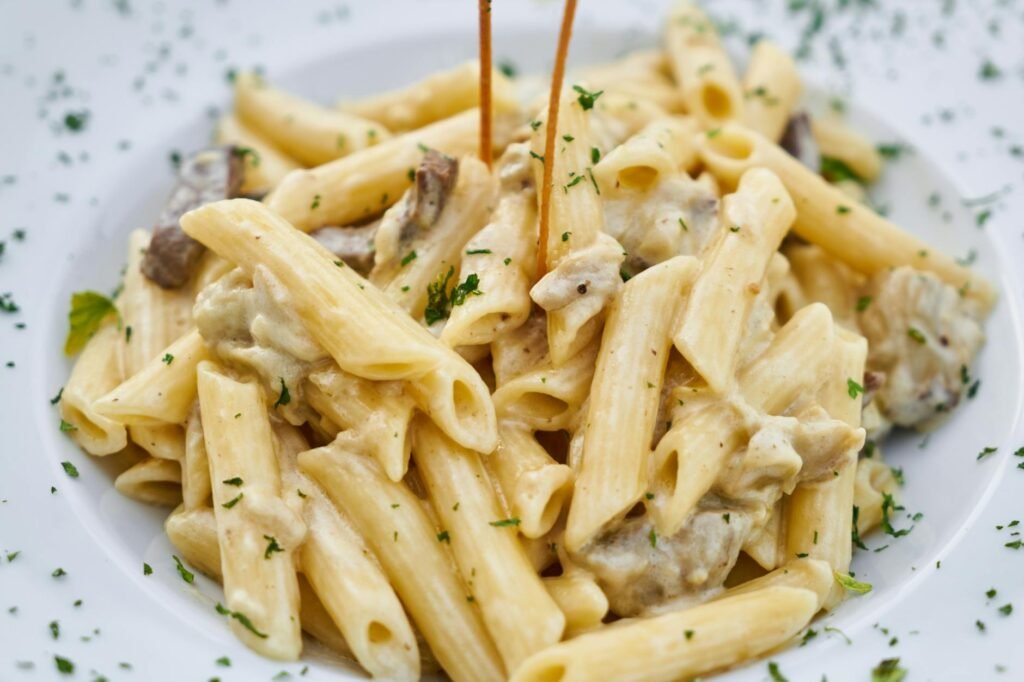
Take a four-serving creamy mushroom lentil pasta for a household of two adults, with two lunch portions left over. A shortcut-heavy cart might look like this: vegan sausage $5.99, jarred vegan Alfredo $6.49, vegan Parmesan $4.99, pasta $1.49, spinach $2.49. Total: $21.45, or about $5.36 a serving. A pantry-built version can look like this instead: mushrooms $3.49, brown lentils $1.49, onion $0.89, garlic $0.50, pasta $1.49, a portion of oat or soy milk $1.25, white beans $1.29, lemon $0.69, breadcrumbs $0.35, parsley $0.89. Total: $12.33, or about $3.08 a serving. The cheaper version often feels richer because it layers browned mushrooms, starch, protein, creaminess from beans, and crunch from toasted crumbs instead of asking one expensive jar to do all the work.
The process is very simple: start by browning the onions. Cook the mushrooms until they develop colour, then add the chopped garlic and a spoon of tomato paste for the last minute of the cooking time. Next, blend the white beans with milk, lemon juice and a bit of your reserved pasta water until smooth; add to the cooked lentils and pasta, then finish with olive oil, herbs, fresh black pepper and crispy breadcrumbs. This isn’t hard to do, it’s just a more economical way to cook: instead of buying one-use only items that are expensive, buy multi-purpose items that will last.
A serve-it-tonight checklist
- Taste the base before you finish the dish. If the rice, pasta, beans, or potatoes are bland, toppings will not rescue them.
- Add one browned element. That can be mushrooms, onions, cabbage, eggplant, or tomato paste cooked until darker and sweeter.
- Choose one creamy move, not three. Use tahini, blended beans, silken tofu, or a drizzle of good oil.
- Add one sharp note. Squeeze lemon, splash vinegar, or spoon over something pickled.
- Create one contrast. Toast breadcrumbs, seeds, nuts, or chickpeas, or add a crisp raw salad on the side.
- Check portion balance. If you want indulgent, include both a protein anchor and a starch anchor.
- Finish hot food with something fresh: parsley, basil, scallions, mint, dill, black pepper, or chile flakes.
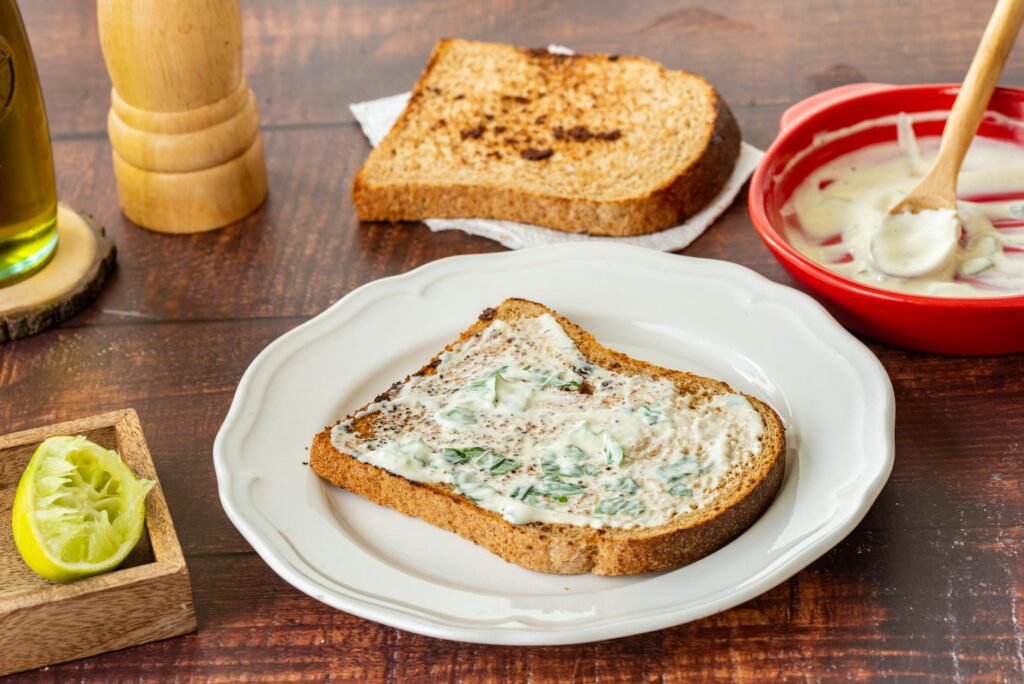
Decision table: match the craving to the cheapest fix
| If you want the meal to feel… | Cheapest reliable move | Try this | Approx. cost lift for 4 servings | Skip it when… |
|---|---|---|---|---|
| Creamy | Build body first | Blend white beans or silken tofu into the sauce, then add lemon and a little oil | $1.00 to $2.00 | The dish already has a rich sauce and really needs acid or crunch |
| Savory and meaty | Brown something hard | Use mushrooms, onions, tomato paste, miso, or soy sauce | $0.75 to $3.50 | You are cooking for someone who dislikes mushroom texture; use tomato paste and miso instead |
| Cheesy-ish | Aim for salt plus nutty depth, not imitation | Use nutritional yeast, tahini, toasted nuts, or a breadcrumb topping | $0.50 to $2.00 | You expect a melted-cheese pull; that is a different goal |
| Restaurant-like | Finish; do not pile on ingredients | Add herbs, acid, flaky salt, black pepper, and a glossy drizzle of oil | $0.40 to $1.50 | The dish is underseasoned at its core |
| Cozy and abundant | Add a real base | Serve with potatoes, pasta, rice, polenta, or toast | $0.80 to $2.00 | You already have a heavy starch and need freshness instead |
| Crunchy and snacky | Toast a topper | Use breadcrumbs, seeds, nuts, or roasted chickpeas | $0.20 to $1.25 | The meal is dry and needs sauce first |
Common mistakes that make vegan meals feel flat
- Serving a bowl with no anchor carb. If you want indulgent, pair the vegetables and protein with rice, potatoes, toast, noodles, or crusty bread.
- Trying to build flavor with only raw garlic, lemon, and herbs. Those are finishers, not a substitute for browned depth.
- Skipping fat entirely. A modest amount of tahini, olive oil, or nut butter often makes the difference between thin and finished.
- Adding creamy ingredients without acid. Rich sauces usually need lemon, vinegar, or a pickled element to stay lively.
- Making every component soft. If the plate is all mashed, braised, or blended, it can read as heavy and unfinished at the same time.
- Depending on coconut milk or coconut-oil-heavy products for every creamy dish. Coconut and palm oils are higher in saturated fat, so it often makes sense to rotate in olive oil, beans, tahini, tofu, or oat-based sauces instead. (heart.org)
- Buying three premium shortcuts when one would do. If you spring for vegan ravioli, skip the bottled sauce and make a quick mushroom pan sauce instead.
When the first plan is not enough
Different kitchens will have unique limitations that general rules normally forget; someone with a nut-free house cannot use cashews as a substitute for what they normally would use. A family with teenagers may require many more calories than what can be provided by a single sheet pan of roasted vegetables. A new vegan may still appreciate having at least one convenience item included in their meal repertoire as a way to reduce the friction created by having to prepare meals during a busy week. That’s completely acceptable. The objective is not to achieve perfection; the objective is to prepare a meal that you can make at home regularly, which tastes good, and is consistent with your lifestyle.
- If nuts are out, use white beans, sunflower seeds, silken tofu, potatoes, or oat milk for creaminess.
- If time is the problem, keep one helper food and add two scratch upgrades. Example: store-bought gnocchi plus browned mushrooms and lemony greens.
- If the household is always hungry after vegan dinners, double the starch and protein before doubling the vegetables.
- If beans bother your stomach, try red lentils, tofu, tempeh, or smaller servings of legumes paired with grains.
- Do not avoid all processing on principle. Fortified foods and supplements can play a useful role in vegan nutrition, especially for vitamin B12. (ods.od.nih.gov)
How to pressure-test the advice in your own kitchen
Conduct a three-dinner audit. For the three meals that you make for dinners next week, write down each of the main ingredients’ costs and divide that total by the number of servings. For each dinner, give it a score out of 5 on the Indulgence Stack. Once you have done this, ask yourself the following three blunt questions to determine if it made it into your core rotation meals. Did anybody eat seconds? Did anybody take home leftovers? Would you consider making this meal again within the next week? Meals that scored high on all three of these criteria indicate that they belong in your core rotation meals. Meals that did not typically indicate what they were missing.
Also audit the few packaged helpers you buy. The FDA says the Nutrition Facts label is the tool for quick product comparisons and specifically identifies saturated fat, sodium, and added sugars as nutrients many Americans should limit. If you buy plant milks, sauces, broths, or vegan cheeses, compare serving size first, then those three lines. And if your household eats fully vegan, verify that your routine includes a reliable vitamin B12 source from fortified foods or supplements. (fda.gov)
Bottom line
Instead of depending on pre-made alternatives to create indulgent vegan food, use a simple method of making your own. Create a comforting foundation, layer in complexity and depth, include a single additional rich ingredient to add creaminess, add something contrasting (for example spicy and sweet), then finish with brightness. This method will often be more affordable, versatile and satisfying than purchasing both a packet of alternatives and a jar of sauce.
FAQ
Do I need cashews to make vegan meals creamy?
No. White beans, silken tofu, tahini, oat milk, potatoes, and even well-emulsified pasta water can create body. Cashews are useful, but they are not the only route to a rich texture.
Is it okay to use processed vegan products sometimes?
Yes. The practical question is whether the product improves dinner enough to justify the cost. A good rule is one shortcut per meal, surrounded by whole or minimally processed foods. EatRight notes that less processed options should make up the bulk of a vegetarian diet. (eatright.org)
What is the cheapest way to make a vegan meal taste more luxurious tonight?
Sliced brown onions or sliced brown mushrooms, will be cooked until browned, one spoon of tomato paste or miso added, then allowed to be thinned down using hot water from the cooked pasta or hot broth. Finally, squeezed lemon juice and toasted breadcrumbs will be added for finishing touches. This process (in that order) provides greater flavour than any sauce in a bottle.
How can I keep these meals healthy and still rich?
Use richness strategically. Lean more often on unsaturated fats from oils, nuts, seeds, and avocado than on coconut-heavy products, and make sure the meal still includes plant proteins such as beans, lentils, or soy foods. (heart.org)
What should a fully vegan household double-check nutritionally?
Vitamin B12 is the big one because plant foods do not naturally provide it unless they are fortified. Check labels on fortified foods and talk with a clinician or registered dietitian if you are unsure whether a supplement makes sense for you. (ods.od.nih.gov)
References
- MyPlate: Enjoy Vegetarian Meals – https://www.myplate.gov/web/tip-sheet/enjoy-vegetarian-meals
- MyPlate: Protein Foods Group – https://www.myplate.gov/eathealthy/protein-foods/protein-foods-nutrients-health?post=08132019a
- American Heart Association: Fats in Foods – https://www.heart.org/en/healthy-living/healthy-eating/eat-smart/fats/fats-in-foods
- Harvard T.H. Chan School of Public Health: Prioritize hearty and savory plant-based preparations – https://nutritionsource.hsph.harvard.edu/elevate-your-plate/hearty-and-savory-plant-based/
- Harvard T.H. Chan School of Public Health: Mushrooms – https://nutritionsource.hsph.harvard.edu/food-features/mushrooms/
- Academy of Nutrition and Dietetics: Building a Healthy Vegetarian Diet: Myths and Facts – https://www.eatright.org/health/wellness/vegetarian-and-plant-based/building-a-healthy-vegetarian-diet-myths
- NIH Office of Dietary Supplements: Vitamin B12 Fact Sheet for Consumers – https://ods.od.nih.gov/factsheets/VitaminB12-Consumer/?trk=public_post_comment-text
- FDA: How to Understand and Use the Nutrition Facts Label – https://www.fda.gov/food/resourcesforyou/consumers/ucm274593.htm