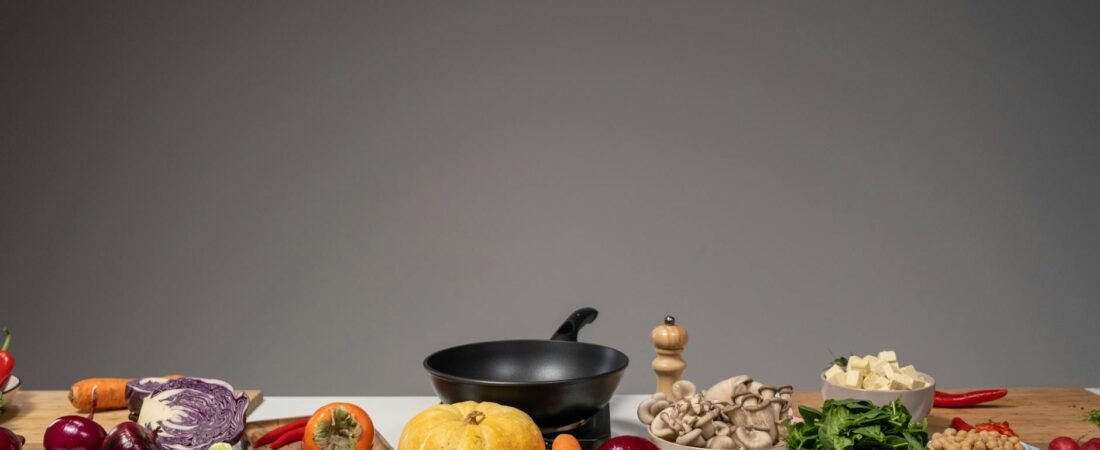
Expensive vegan cooking is often a shopping problem disguised as a flavor problem. A lot of home cooks end up buying plant-based cheeses, meat substitutes, and niche sauces when the bigger issue is that the food was never browned, balanced, or finished properly. That matters for your grocery budget. USDA says a healthy diet can be achieved at many cost levels, and as of April 2026 the Bureau of Labor Statistics listed dried beans at about $1.705 per pound and long-grain white rice at about $1.076 per pound in the U.S. city average. The cheap staples are usually not the weak link. Technique is. (fns.usda.gov).
TL;DR
- Use the SAVOR Scorecard in this article: Sear, Acid, Variety of texture, Onion or aromatics, and Repeatable booster. If a dish scores under 6 out of 10, fix technique before buying more products.
- As of April 2026, BLS listed dried beans at about $1.705 per pound and long-grain white rice at about $1.076 per pound in the U.S. city average, so your cheapest staples are still strong building blocks. (bls.gov)
- USDA guidance says 1 cup dried beans cooks to about 3 cups cooked, which is one reason batch-cooked beans stretch well across several meals. (wicworks.fns.usda.gov)
- Memorable vegan food usually needs three things people skip: real browning, a bright finish, and texture contrast.
- Buy fewer spices, not more. UGA Extension notes that herbs and spices lose flavor over time, especially if they sit in the cupboard longer than about a year. (extension.uga.edu)
- Use premium vegan products only when they solve a specific problem. Most weeknight flavor can come from onion, garlic, tomato paste, soy sauce, vinegar, mustard, and a crunchy topping.
Why budget vegan food often falls flat
Most forgettable vegan meals are not bland because they are vegan. They are bland because they stack soft textures and mild flavors: beans plus grains plus steamed vegetables, with little color on anything and nothing acidic or crisp at the end. The money mistake is trying to solve that with specialty products. A $7 sauce or $9 meat substitute can still land on a dull plate. A pan of properly browned onions, cabbage, or carrots finished with lemon or vinegar often does more. OSU Extension specifically notes that smaller pieces brown more quickly and that vegetables roast best in a single layer, which helps explain why crowded pans produce steamed food instead of flavor. (extension.oregonstate.edu).
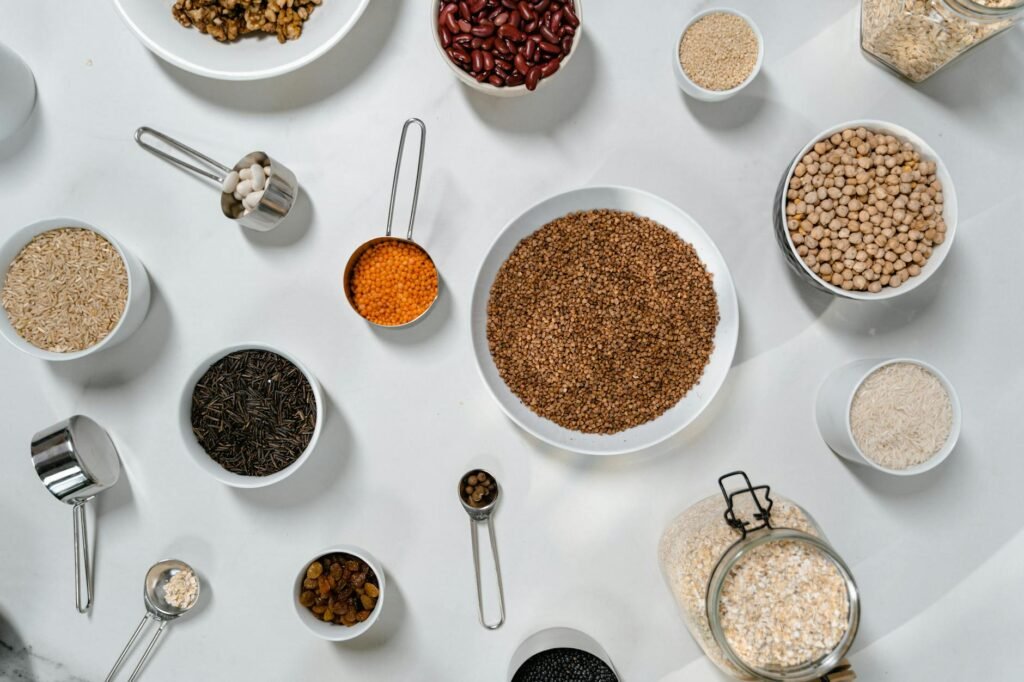
Use the SAVOR Scorecard before you buy anything new
To assess a poor vegan meal, the SAVOR Scorecard provides a way to assess the quality of each category of food by providing scores on a scale of 0 – 2. A completed dish scores eight points or better. An incomplete dish scores five points or fewer and generally requires the use of specialty ingredients. In general, all dishes that do not meet the standards of a completed dish must have some type of modification.
- S, Sear or brown: 0 if everything is pale, 1 if one ingredient has some color, 2 if the dish has real browned edges or a darkened base.
- A, Acid finish: 0 if the dish tastes flat, 1 if you used tomatoes or acid during cooking, 2 if you finish with vinegar, lemon, or pickle brine right before serving.
- V, Variety of texture: 0 if everything is soft, 1 if the plate has either chew or crunch, 2 if it has both.
- O is for Onion or other aromatic ingredients. For rating: 0 = no aromatics in the preparation of a dish starting with base starch and protein ingredients; 1 = brief sauté of onions, garlic, ginger, or celerey; 2 = established a real aromatic base before adding the primary cooking ingredient.
- R, A Repeatable booster: 0 when the taste relies on an expensive specialty item; 1 when only one inexpensive concentrate was added; 2 when any reliable booster was used, including but not limited to: tomato paste, mustard, soy sauce, peanut or chili powder.
This framework helps prevent trying to solve a technique issue with a shopping experience when you make a bean bowl that is made with a variety of ingredients such as sliced sautéed onions, dark tomato sauce, white wine vinegar, and crunchy breadcrumbs that give you more flavor than just putting expensive vegan sausage on top of a bean bowl that has no flavor. If you score 5 points or below, work on whatever category received the lowest score first. In many kitchens, this will involve either cooking for a longer period of time to produce a richer color, or adding more acidity.
A fast decision table for rescuing dinner
| If the dish tastes… | Cheapest fix | Why it helps | Good uses |
|---|---|---|---|
| Flat and heavy | 1 to 2 teaspoons vinegar, lemon juice, or pickle brine | Acid sharpens the final bite and makes other flavors easier to notice | Beans, lentils, grain bowls, soups |
| Watery or weak | Cook 5 more minutes uncovered, then add 1 tablespoon tomato paste or 1 teaspoon mustard | You reduce excess water and add concentration at the same time | Chili, tomato sauces, skillet beans |
| Soft and boring | Add toasted breadcrumbs, chopped peanuts, roasted chickpeas, or crushed tortilla chips | Texture contrast makes a simple bowl feel finished | Pasta, soups, roasted vegetables |
| Starchy and bland | Brown onions, cabbage, mushrooms, or carrots harder next time | Color creates depth before the seasonings go in | Rice bowls, lentils, hashes |
| Salty but still dull | Stop salting and add herbs, black pepper, or acid | Balance matters more than piling on more sodium | Canned-bean dinners, tomato dishes |
Budget flavor moves that beat specialty products
1) Brown something on purpose
The cheapest major flavor upgrade is usually color. Roast cabbage, carrots, onions, cauliflower, potatoes, or chickpeas until the edges are well browned, not just soft. In a skillet, give onions enough time to turn golden instead of stopping when they are merely translucent. Then toast tomato paste in the oil until it darkens a shade. OSU Extension notes that smaller pieces brown more quickly and that a single layer supports browning, which is why an overcrowded sheet pan almost always gives you steamed vegetables instead of memorable ones. (extension.oregonstate.edu).
2) Use one cheap concentrate
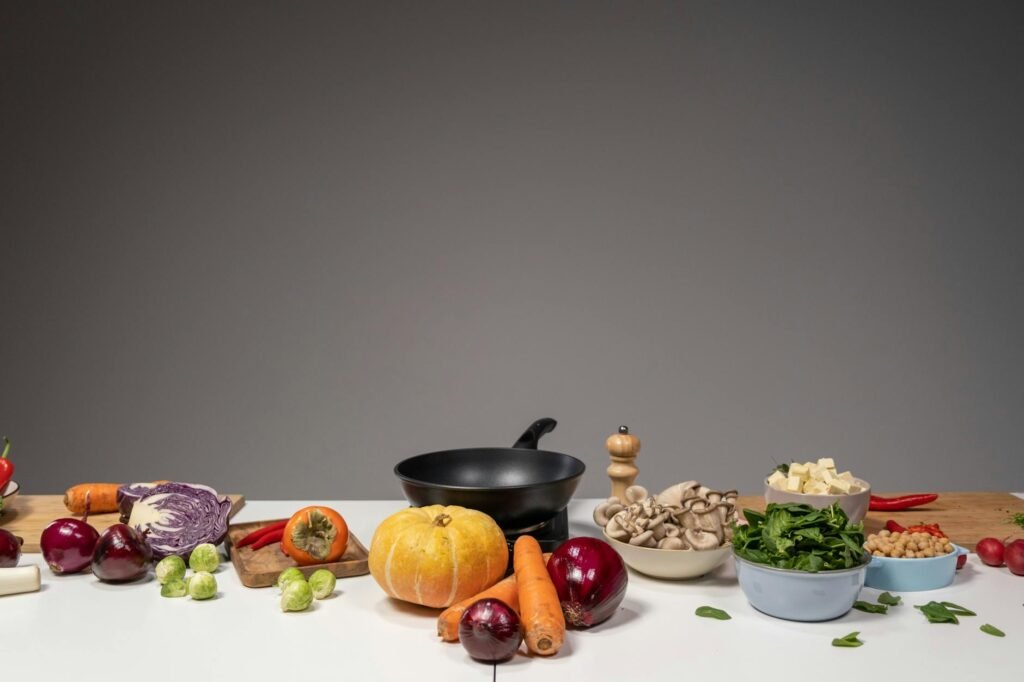
Premium sauces aren’t required for added flavor. You can alter any pot of food by adding an additional ingredient like tomato paste, soy sauce, Dijon or yellow mustard, peanut butter, or a little pickle brine. Just remember to avoid using all five of these ingredients at once; choose one or two that make sense with that particular recipe. For example, tomato paste is a great addition to chili, lentils, braised cabbage, and soups, while soy sauce works really well in mushroom rice, noodles, greens, and bean skillets. Mustard is a great addition for vinaigrettes, potato dishes, and creamy bean salads because it gives them both sharpness and structure.
3) Finish with acid instead of only adding more salt
A dull vegan dinner often needs brightness more than more sodium. Lemon juice, cider vinegar, red wine vinegar, or a teaspoon of pickled-jalapeño liquid can wake up a pot of beans in seconds. OSU Extension specifically suggests balsamic vinegar and lemon juice with roasted vegetables, and Nutrition.gov points readers toward herbs and spices to keep flavor up without relying entirely on salt. That is a useful budget rule too, because acid and aroma can make a simple dish taste more expensive than it is. (extension.oregonstate.edu).
4) Build texture for pennies
Most foods that you will remember as memorable include contrasting components. In your case it would be dry breadcrumbs toasted in a skillet with cooked oil to create a crunchy topping, chopped peanuts, sunflower seeds, roast chick-peas, crushed pretzels and crushed tortilla chips. It is important to do this since many low-cost meal components will quickly lose their texture (a bean is soft, rice is soft and roasted sweet potatoes are soft but adding a crunchy topping can make the entire dish appear very purposeful), and it will generally be much less expensive than adding a meat or dairy analogue.
5) Spend smarter on spices
Do not buy twelve spices for one recipe. Build a short rotation you actually use: black pepper, cumin, chili powder, smoked paprika, garlic powder, and one dried herb blend or oregano. UGA Extension advises buying only a few herbs and spices you will use and buying small containers if you use them slowly. It also notes that herbs and spices lose flavor and can spoil if they sit in the cupboard too long, especially past about a year. In other words, six useful jars beat a graveyard of dusty bargain bottles. (extension.uga.edu).
A realistic $6 dinner example
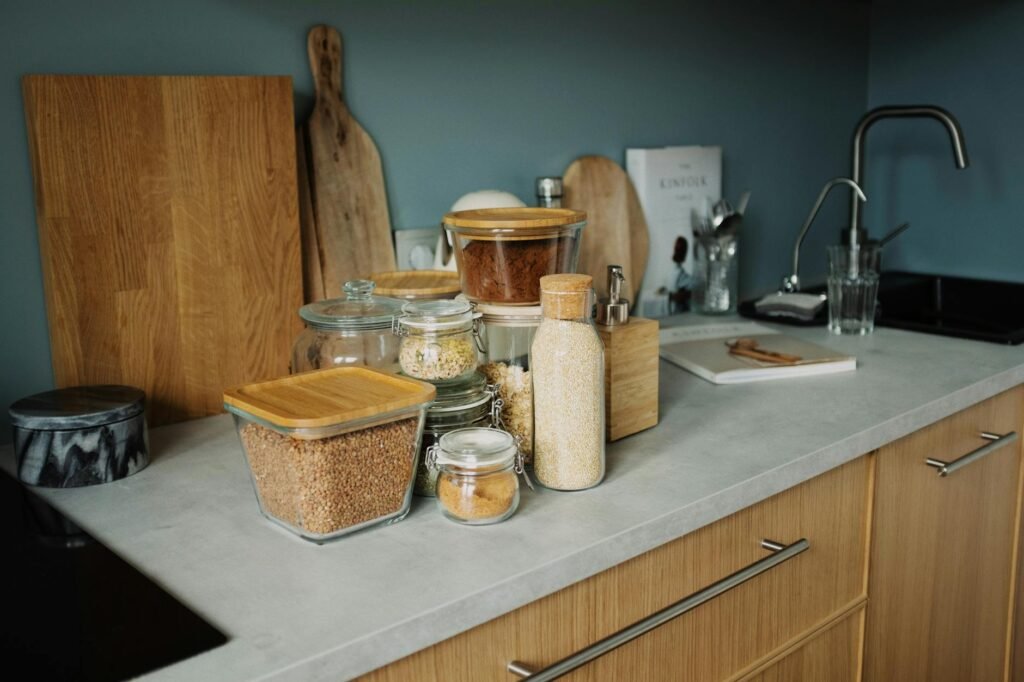
Use this as a planning template, not a promised checkout total. Start with April 2026 BLS averages for the two anchors: 1 pound dried beans at about $1.70 and 1 pound long-grain white rice at about $1.08. Then build a simple smoky tomato bean-and-rice dinner around estimated store-brand add-ons: 1 onion for $0.90, 4 cloves of garlic for $0.25, half a cabbage for $1.25, 2 tablespoons tomato paste for $0.35, 2 tablespoons soy sauce for $0.20, 2 tablespoons vinegar for $0.10, and about $0.50 total for oil and spices. That lands near $6.33. USDA guidance says 1 cup dried beans makes about 3 cups cooked, so a 1-pound bag yields roughly 6 cups of cooked beans before you even count the rice and cabbage. If that batch serves six, the cost is about $1.06 a bowl. The memorable part comes from method: brown the onion and cabbage well, darken the tomato paste, simmer the beans with seasoning, then finish with vinegar and black pepper. (bls.gov).
Note: Prices vary a lot by region, store format, and sales cycle. Use the example above as a budget math model, then swap in your local prices.
When the first plan is not enough
- If your beans are old and stay tough, stop burning time and energy on them. Switch the next batch to lentils or canned beans. USDA notes canned beans are already cooked and convenient, while cooked dried beans can be prepared ahead and used through the week. (wicworks.fns.usda.gov)
- If produce prices are rough, move to frozen vegetables for soups, curries, pasta sauce, fried rice, or blended sauces. University of Minnesota Extension notes that texture changes from freezing are less of an issue when vegetables will be cooked, and thawed vegetables work well in soup or stew. (extension.umn.edu)
- If you need to limit salt, lean harder on acid, black pepper, toasted spices, garlic, ginger, and herbs. Nutrition.gov specifically points readers toward herbs and spices as a way to keep flavor up while cutting back on salt. (nutrition.gov)
- If you do not have much to work with (a microwave or one burner), use canned beans, onions, tomato paste, and lemon or vinegar for a sharp finish. No matter what equipment you use, the approach is the same – start with a base, work on the concentration, and finish with brightener.
- If your budget is extremely tight this week, buy one versatile blend you genuinely like rather than six spices you will barely use. UGA Extension advises buying only a few herbs and spices you will use and choosing small containers when you use them slowly. (extension.uga.edu)
Food safety note: Do not store homemade garlic or fresh-herb oils at room temperature unless you follow tested acidification methods. UGA Cooperative Extension warns that oils combined with low-acid foods such as garlic and herbs can create conditions where dangerous bacteria can thrive. (extension.uga.edu).
The 15-minute flavor reset for almost any vegan dinner
- Start an aromatic base. Cook onion, garlic, cabbage, carrots, or mushrooms in enough oil to coat, and let them get real color.
- Bloom your spices. Add cumin, chili powder, paprika, curry powder, or black pepper for 30 to 60 seconds so the dish smells lively before liquid goes in.
- Add one concentrate. Stir in tomato paste, mustard, soy sauce, or peanut butter and cook briefly so it blends into the base instead of sitting on top.
- Simmer, do not drown. Add only enough broth or water to carry the flavor. If it looks thin, cook uncovered before serving.
- Finish with brightness. Off the heat, add vinegar, lemon juice, chopped pickles, capers, or a spoonful of salsa.
- Add one contrasting top note. Use herbs, scallions, chili flakes, toasted breadcrumbs, peanuts, or seeds so the final bowl has aroma and texture.
Common mistakes that waste money and mute flavor
- Crowding the pan. If vegetables touch too much, they steam. Use two pans if needed.
- Buying a specialty ingredient before learning one repeatable base. Master onion plus tomato paste plus acid first.
- Using too much liquid. Water is not neutral in practice. It dilutes flavor unless you reduce it back down.
- Leaving out texture. A bowl can be well seasoned and still feel dull if every bite is soft.
- Buying giant spice containers to save a few cents. Cheap stale spices are not a bargain if they barely taste like anything.
- Adding more salt when the real problem is missing acid, aroma, or browning.
How to check whether this advice is actually working
Before serving dinner, conduct a three-spoon pressure test to assess the taste of the dish. For the first bite, spoon out one spoonful of the dish as-is; for the second bite, add a few drops of acid; for the third bite, add a crunch element or fresh top note (herbs). If you really like the second or third bite better than the first, you have a problem with not enough finish on the dish, not missing an expensive ingredient. Keep a note on your phone for what gives each dish a better finish so that you can identify patterns after 3-4 dinners. You’ll quickly see that some cooks require more/light browning (cleaner) and that other cooks require acid finishes most of the time (on a regular basis).
- Score the meal with SAVOR before serving.
- Change only one thing at a time so you know what worked.
- Write down the cheapest successful fix, such as 1 teaspoon vinegar or 2 tablespoons toasted breadcrumbs.
- Use that fix earlier next time so the meal starts stronger instead of needing rescue at the end.
Bottom line
To create delicious, memorable dishes using mostly vegan ingredients, your pantry doesn’t have to be filled with expensive vegan products. You only need a small number of inexpensive staples and a simple process: start with an aromatic base, add a concentrated flavour enhancer, control the liquid, finish with an acidic ingredient and then add the texture to the plate. When you do this on a consistent basis with inexpensive vegetables (beans, rice, cabbage, potatoes and/or pasta), the food has a more deliberate flavour than just for being on a budget.
FAQ
What is the cheapest single ingredient that makes vegan food taste better?
One of the best answers overall would be the onion. An onion is inexpensive, readily available (very common), and it can be used for many things: soups, beans, rice, sauces, roasted vegetables, dressings, etc. The tomato paste would be the second best answer. It only takes a very small amount and gives a fast depth of dimension.
Are canned beans too bland to make a memorable dinner?
No. They are convenient, already cooked, and easy to season. USDA guidance notes canned beans are already cooked and ready to use, and it recommends adding herbs and spices to boost flavor. Rinse if you want a cleaner base, then cook them briefly with aromatics, a concentrate like tomato paste, and a bright finish. (wicworks.fns.usda.gov)
Do I need nutritional yeast, miso, or specialty vegan sauces?
While those specific ingredients can be helpful in your everyday cooking, they’re all optional. If your meal is lacking any of these qualities like browning, acid or texture, then it’s unlikely that incorporating specialty ingredients will solve your problem. Use base ingredients like onions, garlic, tomato paste, mustard, soy sauce, vinegar and a crunchy topping instead.
How many spices should a budget vegan kitchen have?
For most home cooks, four to six dependable spices plus black pepper is enough. UGA Extension advises buying only a few herbs and spices you will actually use, and choosing small containers if you use them slowly because flavor fades over time. (extension.uga.edu)
What should I do if I need to cook with less salt?
Rely more on acid, herbs, spices, garlic, ginger, and black pepper. Nutrition.gov points readers toward herbs and spices as a way to keep flavor up while reducing salt. If you follow a medically restricted diet, it is smart to confirm sodium targets with a clinician or registered dietitian. (nutrition.gov)
References
- USDA Food Plans – https://www.fns.usda.gov/cnpp/usda-food-plans
- USDA WIC Works: What Do I Do With My Beans – https://wicworks.fns.usda.gov/topic/what-do-i-do-with-my/beans
- BLS Average Retail Food and Energy Prices, U.S. and Midwest Region – https://www.bls.gov/regions/mid-atlantic/data/averageretailfoodandenergyprices_usandmidwest_table.htm
- OSU Extension: Roasted Vegetables – https://extension.oregonstate.edu/imported-publication/roasted-vegetables
- UGA Extension PDF: Cooking with Herbs, Spices, and Seasonings – https://extension.uga.edu/content/dam/extension-county-offices/madison-county/facs/Cooking%20with%20Herbs%2C%20Spices%2C%20and%20Seasonings.pdf
- Nutrition.gov: Salt and Sodium – https://www.nutrition.gov/topics/whats-food/salt-and-sodium
- University of Minnesota Extension: Preserving color, nutrients and flavor when freezing produce – https://extension.umn.edu/preserving-and-preparing/science-freezing-foods
- UGA Cooperative Extension: How to Safely Make Infused Oils – https://extension.uga.edu/publications/detail.html?number=C1334&title=how-to-safely-make-infused-oils-best-practices-for-food-safety