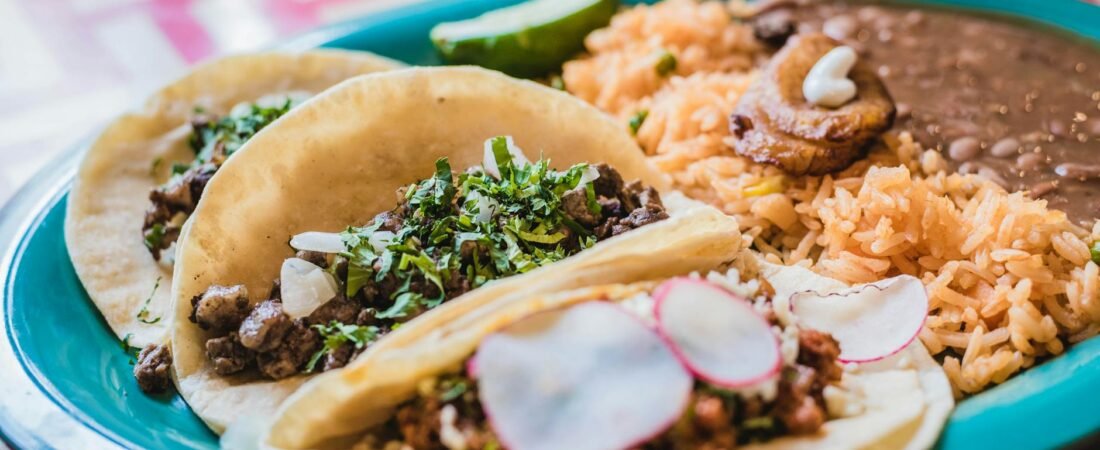
Most mixed-table dinners go wrong for predictable reasons: the vegan eater gets a plate of sides, the omnivore thinks the meal looks like a compromise, and the cook ends up paying for two separate dinners. A better approach is to make the center of the meal vegan and keep the edges customizable. That is usually cheaper, easier to clean up, and more welcoming for everyone at the table. It also fits mainstream nutrition guidance. MyPlate counts beans, peas, and lentils as both a vegetable subgroup and a protein option, and its protein guidance for vegetarians includes beans, peas, lentils, nuts, seeds, and soy products. (myplate.gov)
TL;DR
- Build one vegan main that feels complete before toppings or optional extras are added.
- Choose familiar formats like chili, taco bowls, pasta, curry, or baked potato bars.
- Use the Mixed Table 5-Point Filter: familiar, filling, protein-anchored, customizable, and leftover-friendly.
- Spend on sauce, crunch, and flexibility instead of multiple separate mains.
- Pressure-test the meal before serving by checking portions, allergens, labels, and the leftover plan.
Use the Mixed Table 5-Point Filter
Score dinner idea based on a 1 to 5 scale before shopping, if you score two or more points less than the original recipe continue looking for value in your ideas. This will prevent you from making the common mistake of providing a “technically vegan” meal that is socially ‘doomed’.
- Familiar format: bowl, pasta, taco, chili, soup, baked potato, sheet-pan wrap, or grain bowl.
- Visible protein: beans, lentils, tofu, tempeh, edamame, or another plant protein people can actually see and serve.
- Real starch: rice, potatoes, pasta, tortillas, bread, or noodles. If the meal is only vegetables, many guests will treat it like a side.
- Separate finishers: salsa, herbs, slaw, pickled onions, crunchy seeds, hot sauce, citrus, or optional dairy or meat add-ons served apart from the vegan base.
- Leftover logic: tomorrow’s lunch is obvious. Chili becomes tacos or loaded potatoes, and roasted vegetables become wraps or grain bowls.
If you are hosting people who eat differently, aim for 4 out of 5. The point is not purity. The point is one dinner everyone can recognize as dinner.
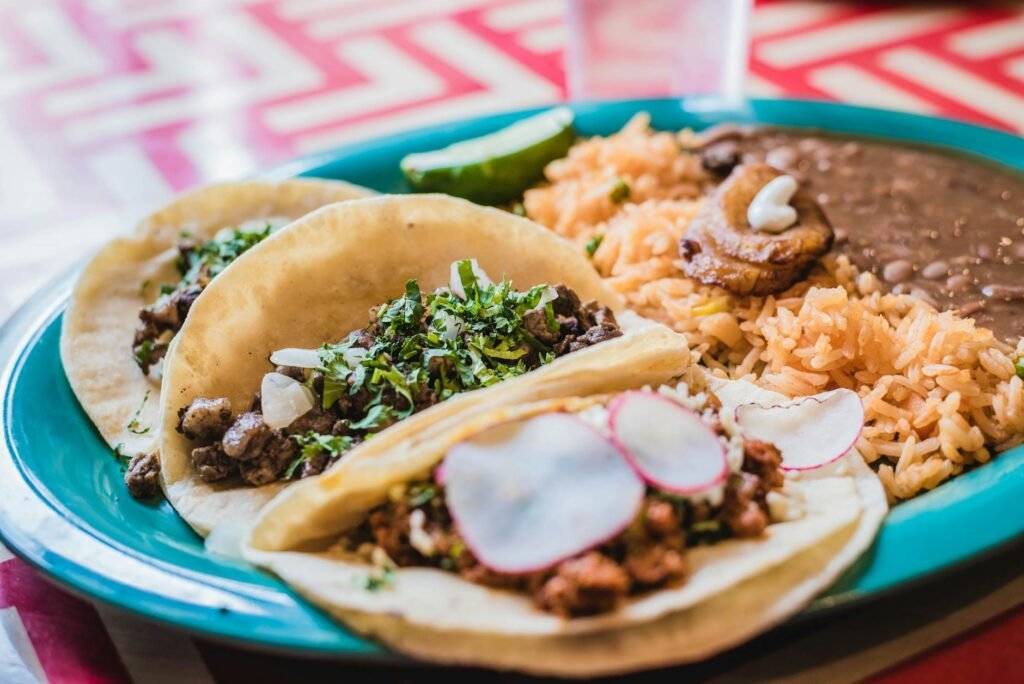
Pick dish formats that do the social work for you
Some meal formats absorb dietary differences better than others. You want dishes that are self-explanatory, hearty, and easy to customize at the table without making vegan eaters feel like they are assembling scraps.
| Dinner format | Why it works for a mixed table | Best budget move | Main risk |
|---|---|---|---|
| Taco or burrito bowls | Everyone already understands the format and can build their own plate. | Use lentils plus black beans, rice, cabbage slaw, and salsa. | Too many toppings can quietly double the bill. |
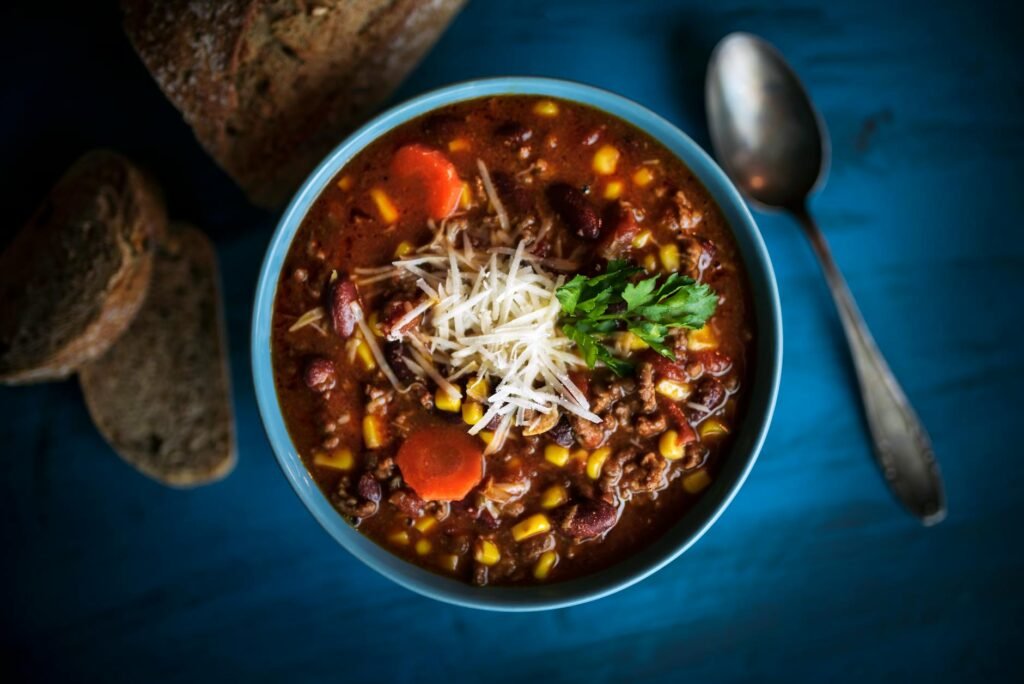
| Chili with baked potatoes | Feels hearty and familiar, not like special-diet food. | Bulk up the chili with beans and lentils, then use potatoes as the second anchor. | If the chili is too thin, meat-eaters may read it as soup rather than dinner. |
| Pasta with lentil-mushroom sauce | Comfort-food format lowers resistance. | Stretch sauce with lentils, mushrooms, onions, and canned tomatoes. | Weak seasoning can make it taste dutiful instead of satisfying. |
| Curry with rice | A strong sauce helps vegetables feel intentional. | Use one protein and one frozen vegetable blend instead of buying many small items. | Coconut milk, specialty pastes, and extra sides can raise costs quickly. |
| Loaded grain or potato bar | Great for families, picky eaters, and leftovers. | Buy one base, one protein, one crunchy vegetable, and two sauces. | Without a good sauce, the meal can feel dry and cafeteria-like. |
Build one meal, not two separate dinners
The cheapest approach to a mixed-table strategy is not to duplicate everyone’s normal dinner style; instead, build an independent base as a vegan dish, and then provide optional extras at the table. This approach will keep the main cooking vessel (pot, pan, or baking dish) whole and prevent common budget leakage due to duplicating ingredients (ie. meat entrée and second vegan entrée).
Start with a base that already looks like dinner
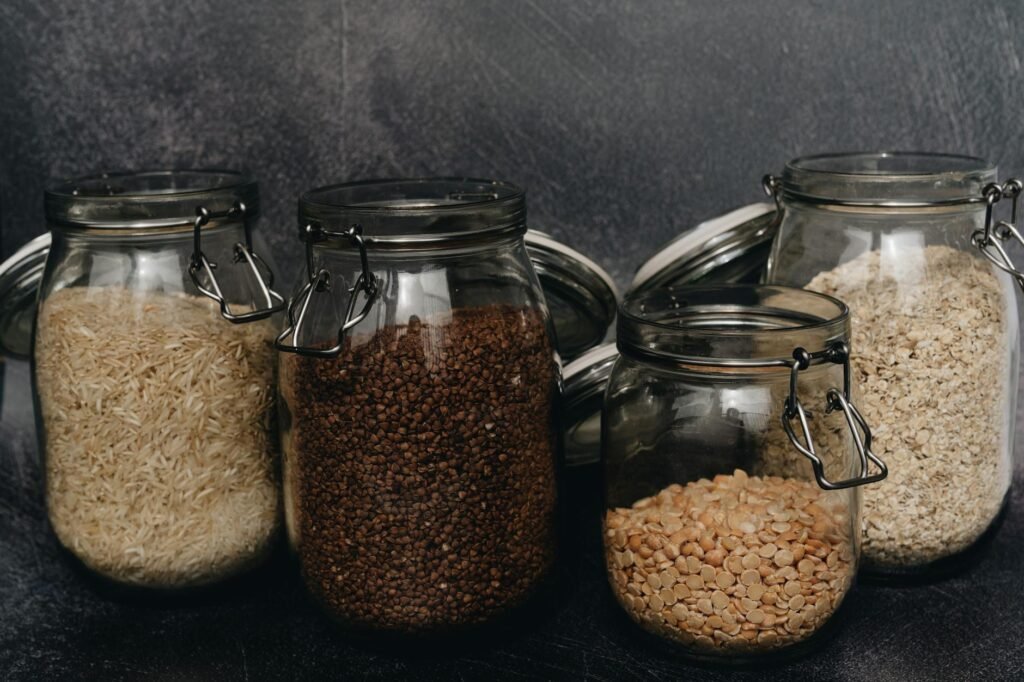
A good base has three things: a visible protein, a filling starch, and a sauce or seasoning with personality. Think chickpea curry over rice, smoky bean chili over potatoes, or pasta with lentil-mushroom ragù. MyPlate’s guidance on plant proteins is useful here: beans, peas, lentils, nuts, seeds, and soy products are legitimate protein choices, not backup food. (myplate.gov)
Use a flavor bridge, not a lecture
The flavor bridge is made up of the foods that the skeptical eater already enjoys – salsa, marinara, barbecue spice, garlic and lemon, a creamy herb sauce, or a curry sauce with a mild amount of heat. You don’t have to have every diner excited about eating tofu, but rather, they have to recognize other types of food such as tacos, pasta, curry, or chili, and feel confident they will enjoy their meal.
Make add-ons optional, not structural
If you want to serve cheese, yogurt sauce, grilled chicken, or sausage only to a portion of those at the meal, keep those additional food items separate and small. Meal Base should satisfy the vegan guest without any special rescue plate, which adds to how inclusive the table feels compared to having different tiers of food on the table.
Two practical details make this work. Put the vegan base at the center of the table, not off to the side. And label anything optional that changes the dish, especially if it contains dairy or another allergen. That small hosting choice removes guesswork and makes the meal feel more relaxed for everyone. FDA requires major allergens to be declared on packaged food labels, which is one reason clear labeling at home is a good habit too. (fda.gov)
A realistic budget example
Here is a sample dinner for eight people using mid-priced US grocery estimates. Menu: black bean and lentil chili, baked potatoes, cabbage-lime slaw, cilantro, scallions, and tortilla chips. Costs vary by store and region, but the point is the structure: use two inexpensive anchors, then spend a little on freshness and crunch. USDA publishes monthly food-plan cost reports because healthy meals can be built at different cost levels, which is a useful benchmark when you are pressure-testing your own grocery plan. (fns.usda.gov)
| Item | Sample cost |
|---|---|
| 1 lb dried black beans or equivalent canned beans | $2.00 |
| 1 lb brown lentils | $1.70 |
| 2 cans diced tomatoes | $3.60 |
| Onions, peppers, garlic | $5.50 |
| 5 lb bag of potatoes | $6.00 |
| Half head of cabbage, 2 limes, cilantro, scallions | $4.50 |
| Broth, tomato paste, spices, oil | $3.50 |
| Tortilla chips or bread | $3.50 |
| Estimated total | $30.30 |
That works out to about $3.79 per person before any optional extras. If you instead split the menu into a separate meat chili and a separate vegan entrée, you are not just buying more protein. You are usually buying duplicate aromatics, extra sauce, another starch, and more cleanup time. For a mixed table, the cheapest dollar is often the dollar you do not spend on a second main.
Spend where people will actually notice it
Mix and Match cooks tend to invest too much in solving a problem, such as purchasing expensive plant-based burgers or specialty cheese and serving them with bland seasonings and textures. In practice, people create an impression of abundance, seasonings, acidity, and crunch much quicker after tasting the protein packaged as vegan; however, they tend to perceive those things much sooner than if the protein were considered “vegan.” Therefore, if you want your meal to feel (and be perceived as) abundant, first make the base of your dish affordable, then enhance the perception of abundance by adding herbs, citrus, slaw, crispy toppings, and by serving warm bread or rice.
- Save on anchors: beans, lentils, rice, pasta, potatoes, cabbage, carrots, and onions.
- Spend on one strong flavor: salsa, chimichurri, curry paste, a lemony dressing, or a tomato sauce you know the family likes.
- Pick one texture booster: toasted pepitas, crispy chickpeas, quick pickles, slaw, or crushed chips.
- Avoid one-use specialty items unless you already know the household will finish them later in the week.
A low-stress shopping and cooking routine
- Divide the people into three categories: committed vegans, flexible vegetarians, and picky eaters. Focus your planning efforts on the picky eaters first since they are more likely to turn down a dish because of the way it looks rather than what is in it.
- Choose one familiar format from the table above. If you are tired or hosting after work, default to chili, tacos, pasta, or curry.
- Buy one plant protein, one starch, one crisp vegetable, and one sauce booster. This guardrail keeps the cart from filling with expensive specialty items.
- Plan leftovers before you cook. MyPlate’s budget guidance recommends making larger meals with enough servings for leftovers, and EPA recommends planning, prepping, and storing food carefully to waste less food. (myplate.gov)
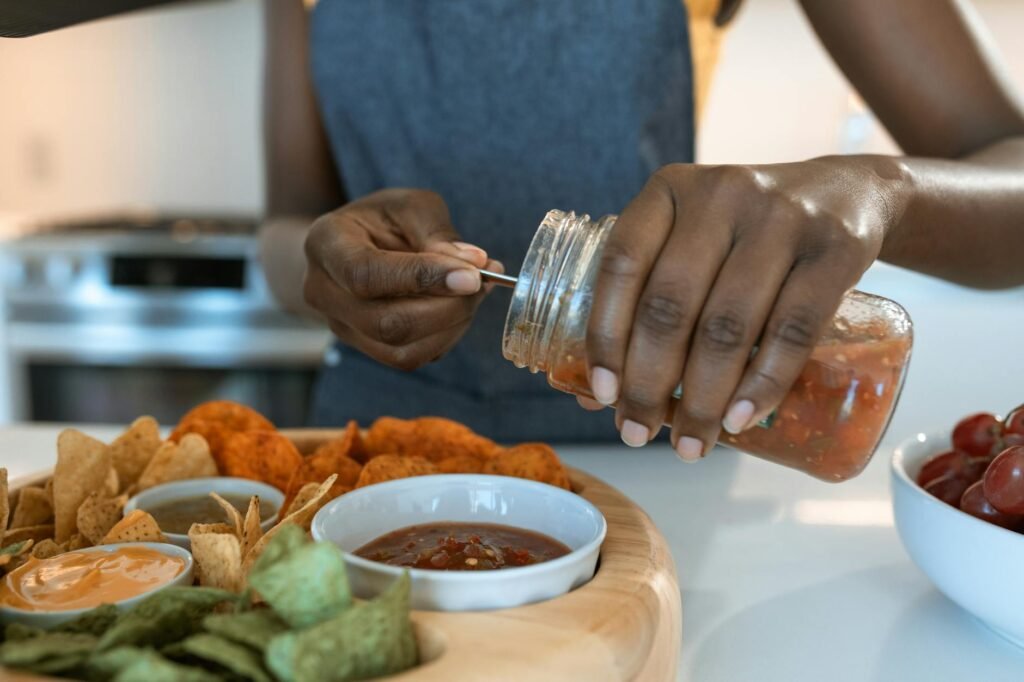
- Set out finishers in small bowls: herbs, lime, pickled onions, crunchy seeds, hot sauce, salsa, or a yogurt-style sauce if your table uses dairy.
- Keep one backup in reserve, such as bread, fruit, plain rice, hummus, or a simple salad. A backup prevents a tense dinner from turning into a takeout order.
Common mistakes that make vegan dinners feel like compromises
- Serving a vegan main that is mostly vegetables and calling it dinner. Most mixed tables need a clear protein and a clear starch.
- Choosing a dish that is unfamiliar and ingredient-heavy at the same time. If the format is new, keep the flavor simple. If the flavor is adventurous, keep the format familiar.
- Buying too many premium substitutes. One interesting specialty item can be fun. Three of them turn a budget dinner into an expensive experiment.
- Using every topping you can think of. Toppings sell the meal, but they are also where budgets drift.
- Ignoring allergens because the meal is plant-based. Soy, wheat, tree nuts, peanuts, and sesame can all show up quickly in vegan cooking, especially in sauces, broths, and convenience items. FDA requires major allergens to be declared on packaged labels, and sesame has been the ninth major food allergen under federal law since January 1, 2023. (fda.gov)
- Letting jarred sauces do all the work. The FDA notes that saturated fat, sodium, and added sugars are nutrients many Americans should limit, and much dietary sodium comes from packaged and prepared foods. Compare labels before you default to the saltiest shortcut. (fda.gov)
What to do when the first plan is not enough
At times even the best mixed-table approaches will face very real limitations. A case in point would be: a guest who has an allergy to sesame, or a guest who absolutely hates beans, or a child who wants no spicy food at all. Perhaps you are preparing large portions for teenage appetites, or there is a need for the vegan guest to have an entirely separate course due to cross contamination concerns. In these cases, flexible hosting is more important than your ideology.
- For allergies, simplify. Use fewer packaged ingredients, label sauces, and keep serving utensils separate.
- For bigger appetites, add cheap volume first: more rice, potatoes, bread, tortillas, or pasta.
- If the table distrusts beans, switch to tofu, edamame, or lentil pasta instead of forcing one ingredient.
- If the dish seems risky, make the backup more substantial: garlic bread, fruit, a plain salad, or a second starch.
- If a household member eats vegan regularly, not just occasionally, plan the bigger nutrition picture too. MyPlate includes fortified soy milk and yogurt in the Dairy Group, and NIH notes that people who follow vegetarian diets, especially vegans, have a higher risk of vitamin B12 deficiency unless fortified foods or supplements help fill the gap. (myplate.gov)
This article is informational, not medical advice. If someone at your table has a diagnosed food allergy, celiac disease, diabetes, kidney disease, or another medical nutrition issue, confirm ingredients and preparation methods with a clinician or registered dietitian before relying on a general meal plan. (fda.gov)
How to pressure-test the meal before you serve it
- Do the plate test. Can an adult build a satisfying plate from the vegan base alone, with protein, starch, and flavor? If not, the meal is not ready.
- Do the label test. On packaged items, compare serving size first, then check saturated fat, sodium, and added sugars. FDA guidance says 5% Daily Value or less is low and 20% or more is high for a nutrient, which is a practical shortcut when comparing sauces, broths, and frozen sides. (fda.gov)
- Do the allergen test. Read ingredient lists and Contains statements on anything packaged, especially broth, dressing, spice blends, and meat alternatives. (fda.gov)
- Do the leftover test. EPA recommends planning around what you already have and what you will actually use, and FDA says perishable buffet foods should not sit out longer than 2 hours, or 1 hour if the temperature is above 90°F. (epa.gov)
- Do the salt test. If you are using canned beans, the FDA notes that rinsing sodium-containing canned foods can remove some of the sodium. That small step is often enough to make a chili, bowl, or salad taste cleaner. (fda.gov)
The bottom line
When providing a great family meal for a mixed table the focus should be less on making everyone choose the same as the ‘vegan’ option and more about creating different ‘formats’ that have already been created (bowls, chili, pasta, curry, or potato); then create one meal vegan being the ‘main’ ingredient and create one meal that is flexible as the edge or transition may not need to include the same food items. If it meets the ‘Mixed Table 5-Point Filter’ is within your budget and does not create any type of waste in the leftovers, you have created a better family meal than you are by creating two separate vegan-centred mains.
FAQ
Do I need fake meat to make a vegan dinner feel complete?
No. A mixed table usually responds better to a recognizable meal format than to an expensive substitute. Beans, lentils, tofu, tempeh, and edamame can all work if the dish also has a real starch and a strong sauce. Start with chili, taco bowls, pasta, or curry before spending heavily on specialty products. MyPlate includes beans, peas, lentils, nuts, seeds, and soy products among vegetarian protein options. (myplate.gov)
What is the safest first vegan meal for skeptical omnivores?
The safest meals to start with are taco bowls, chili with baked potatoes or pasta with a lentil and mushroom sauce. These meals are all made in a way that would be familiar to people, and have many different options for customizing them for a vegan meal. The purpose of a meal is not to mask the vegan meat but rather provide a meal from which the individual already has a general idea of how to enjoy it.
Should I make a separate meat dish if only one person is vegan?
In most cases there is not enough food for everyone, in that case you will have to order extras instead of giving each guest a separate meal. Extra meals would serve those with medical issues, dietary restrictions, and would provide a unique meal to people you have advance notice on. For the majority of your guests, you will be better off having so many base meals to share with everyone, as the price difference from ordering less is less.
How can I keep the grocery bill from creeping up?
Cap the menu at one protein, one starch, one fresh crunchy element, and one or two sauces. That keeps the meal from turning into a cart full of niche items. Planning matters here: USDA budget guidance emphasizes meal planning and leftovers, and EPA says the average family of four spends almost $3,000 a year on food that does not get eaten. (myplate.gov)
What if we start eating vegan dinners regularly?
Then it is worth checking the bigger nutrition picture instead of thinking one meal at a time. MyPlate includes fortified soy milk and yogurt in the Dairy Group, and NIH says vegans have a higher risk of vitamin B12 deficiency unless fortified foods or supplements fill the gap. For children, pregnancy, or medical conditions, a registered dietitian is a smart next step. (myplate.gov)
How long can I leave vegan buffet food out?
Not indefinitely. FDA says perishable buffet foods should not sit out for more than 2 hours at room temperature, or 1 hour if the temperature is above 90°F. Refrigerate leftovers promptly. (fda.gov)
References
- USDA MyPlate: Beans, Peas, and Lentils – https://www.myplate.gov/beans-and-peas
- USDA MyPlate: Protein Foods Group – https://www.myplate.gov/eathealthy/protein-foods/protein-foods-nutrients-health?post=08132019a
- USDA MyPlate: Enjoy Vegetarian Meals – https://www.myplate.gov/web/tip-sheet/enjoy-vegetarian-meals
- USDA MyPlate: Dairy Group – https://www.myplate.gov/DAIRY
- USDA MyPlate: Make a Plan – https://www.myplate.gov/eathealthy/budget/budget-weekly-meals
- USDA Food Plans: Monthly Cost of Food Reports – https://www.fns.usda.gov/research/cnpp/usda-food-plans/cost-food-monthly-reports
- USDA Food Plans – https://www.fns.usda.gov/cnpp/usda-food-plans
- US EPA: Preventing Wasted Food At Home – https://www.epa.gov/recycle/preventing-wasted-food-home
- FDA: Food Allergies – https://www.fda.gov/food/food-labeling-nutrition/food-allergies
- FDA: Serving Up Safe Buffets – https://www.fda.gov/food/buy-store-serve-safe-food/serving-safe-buffets
- FDA: How to Understand and Use the Nutrition Facts Label – https://www.fda.gov/food/resourcesforyou/consumers/ucm274593.htm
- FDA: Sodium in Your Diet – https://www.fda.gov/food/nutrition-education-resources-materials/sodium-your-diet