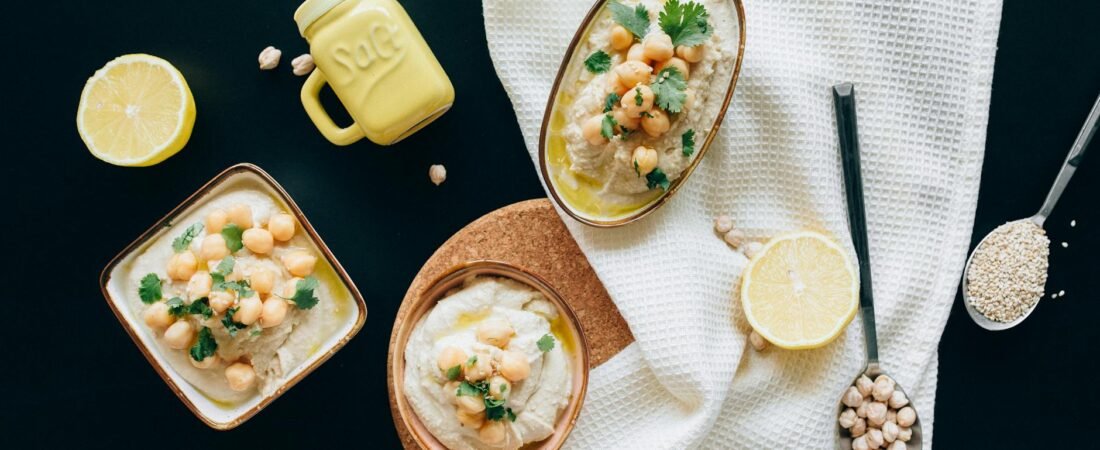
The gap between a solid plant-based dinner and a disappointing one is often not the grain, the pasta, or the vegetables. It is the sauce. A creamy vegan sauce can make rice and roasted broccoli feel restaurant-level, which matters if you are trying to eat well at home without leaning on pricey prepared foods or routine takeout. USDA notes that a healthy diet can be achieved at different cost levels, and MyPlate identifies rice, pasta, beans, peas, and lentils as budget-friendly building blocks. (fns.usda.gov)
The smartest sauces do more than coat food. They can also help a simple meal feel more substantial because MyPlate includes beans, peas, lentils, nuts, seeds, sesame paste, and soy products such as tofu in the Protein Foods Group. That is why a well-built sauce can turn a bowl from side-dish energy into dinner energy. (myplate.gov)
TL;DR
- For everyday cooking, start with white beans, silken tofu, tahini, or peanut butter before defaulting to cashews.
- Use the Luxe-Per-Dollar Sauce Filter: cost, coverage, protein assist, texture reliability, and range.
- If a sauce tastes flat, fix it in this order: salt, acid, warm water, then an umami note such as miso or nutritional yeast.
- If sodium is a concern, compare labels on broth, soy sauce, and canned ingredients. FDA recommends choosing lower-sodium options and rinsing sodium-containing canned foods such as beans. (fda.gov)
- Meal-prep sauces need a storage plan: refrigerate within 2 hours, keep your refrigerator at 40°F or below, and use most leftovers within 3 to 4 days or freeze them. (fsis.usda.gov)
Why creamy sauce changes the whole meal
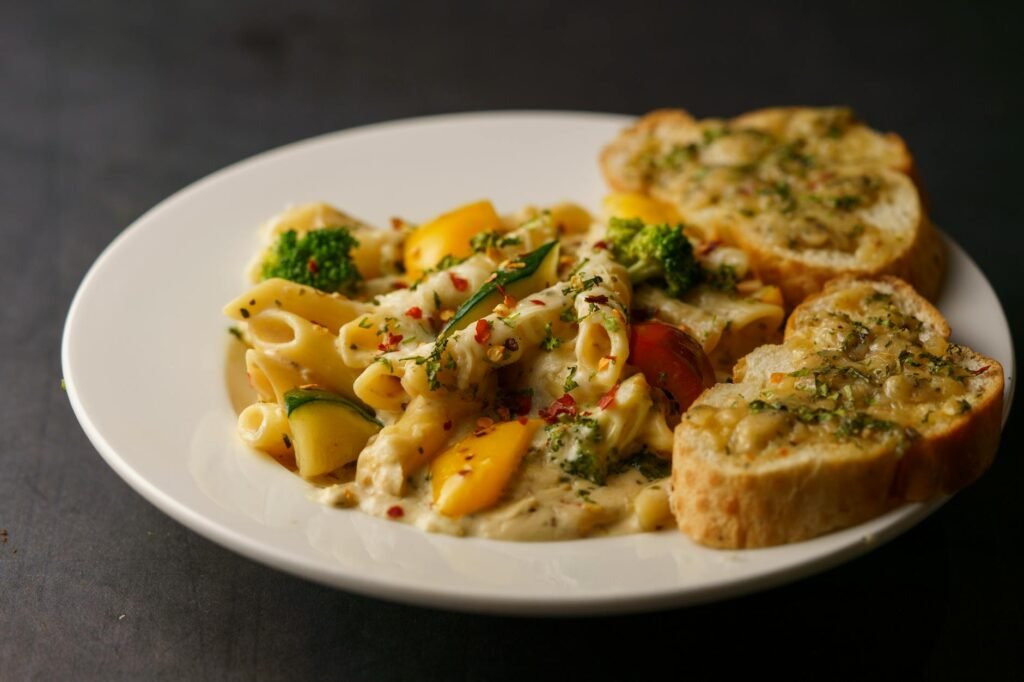
People’s boredom with grain bowls does not stem from complaints about the quinoa or roasted carrots but rather because they feel unsupported from a meal that lacks a cushion, shine, and ending. A creamy sauce provides support for all three of these. It adds shine to vegetables, gives grains a seasoning profile (instead of being dried out), and gives pasta a purpose rather than just being a pile of leftovers.
This is important for the family budget because sauce is a leverage ingredient. For example, cooking one pot of rice and one tray of vegetables or one pound of pasta can create 3 different dinners depending on the sauce used. This is generally more inexpensive, less chaotic, and is more easily repeated than purchasing specialty vegan products just for variety.
Use the Luxe-Per-Dollar Sauce Filter
Before shopping and blending sauces, this is the tool you should use. A sauce idea should be rated on a scale of 1 to 5. A rating of 4 or 5 means it’s suitable for a weeknight. A rating of 2 or 3 could still be very tasty, but it’s more likely to be a project sauce instead of the default.
- Base price: Does it rely on a pantry ingredient you will use again next week, or a specialty item that sits in the fridge?
- Coverage: Will one batch coat at least six servings, or disappear into two bowls?
- Protein assist: Does the sauce itself add substance, the way beans, tofu, nuts, seeds, or tahini can?
- Texture reliability: Can a regular blender handle it, and will it reheat without becoming grainy or gluey?
- Range: Can the same batch work on pasta tonight, bowls tomorrow, and vegetables at lunch?
MyPlate counts beans, peas, lentils, nuts, seeds, sesame paste, and soy products such as tofu as protein foods. That is why these sauce bases can do more work than a basic oil-and-herb drizzle. (myplate.gov)
| Sauce style | Feels best on | Pantry friction | Luxury payoff | Best fix if it goes wrong |
|---|---|---|---|---|
| White bean-garlic cream | Pasta, roasted vegetables, bowls | Low | Soft and mild | Add lemon and more hot broth |
| Silken tofu-herb cream | Bowls, potatoes, cold noodles | Low | Glossy and fresh | Chill, then blend again |
| Tahini-lemon sauce | Broccoli, cauliflower, chickpeas, grain bowls | Low | Rich and punchy | Thin with warm water slowly |
| Peanut-lime sauce | Noodles, cabbage, carrots, tofu | Low | Bold and clingy | Add more acid before more sweetener |
| Cashew-miso cream | Pasta, mushrooms, charred onions | Medium | Most restaurant-like | Blend longer and strain if needed |
The five creamy vegan sauces worth memorizing
1. White bean garlic cream
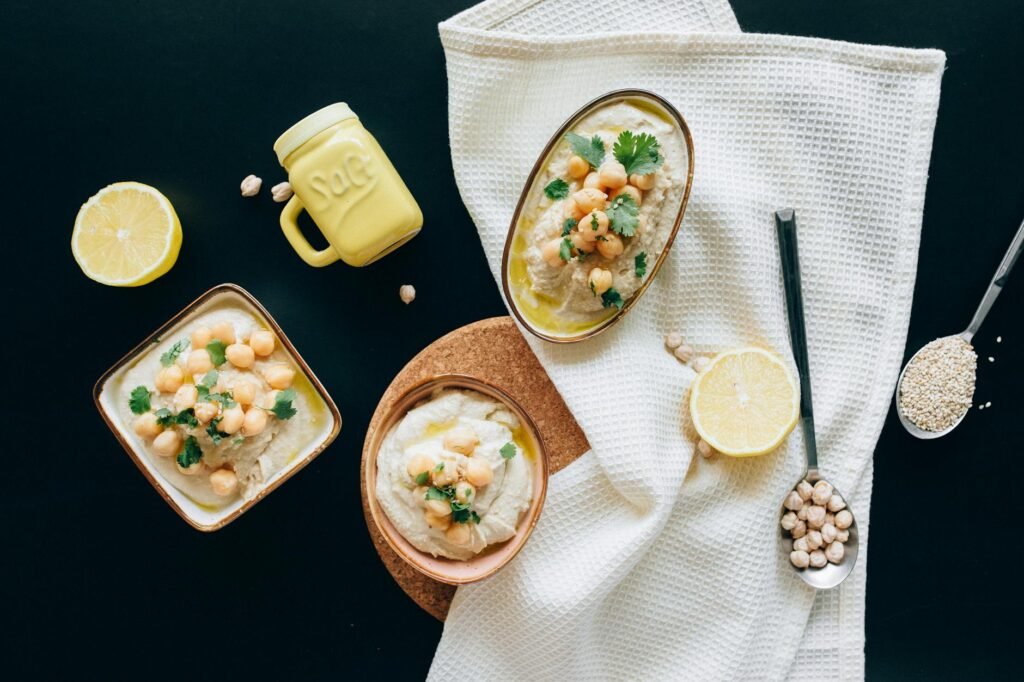
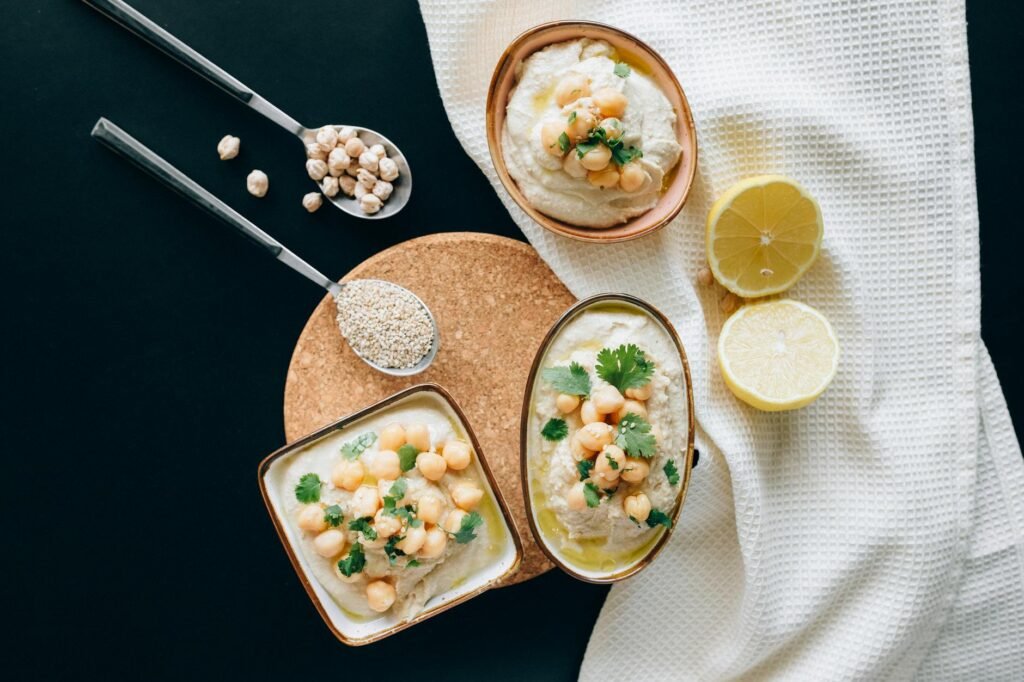
Blend one can of white beans with hot broth, sautéed garlic, olive oil, lemon, and nutritional yeast until glossy. This is the best first sauce to learn because the ingredients are ordinary and the flavor is neutral enough for pasta one night and roasted vegetables the next. It does not have the plushness of cashews on its own, so finish with enough acid and a little fat. If sodium matters in your household, use no-salt-added beans when possible or rinse canned beans before blending. FDA recommends rinsing sodium-containing canned foods such as beans, and MyPlate notes that beans, peas, and lentils are a budget-friendly protein option. (fda.gov)
2. Silken tofu herb cream
Blend silken tofu with lemon, fresh herbs, garlic, and a spoonful of olive oil. The result is cooler, lighter, and cleaner than cashew cream, with enough body for bowls and enough brightness for charred vegetables. It is especially useful when the rest of the plate is warm and browned, because the sauce reads as fresh instead of heavy. Soy products such as tofu are part of MyPlate’s Protein Foods Group, which is one reason this sauce works as more than decoration. (myplate.gov)
3. Tahini lemon pour-over sauce
Whisk tahini with lemon juice, garlic, and warm water until it loosens into a pourable cream. It looks almost too simple, but it makes lentil bowls, broccoli, cauliflower, and roasted sweet potatoes taste finished. The trick is patience: tahini often tightens before it smooths out. Keep adding warm water a little at a time rather than dumping in too much liquid all at once. MyPlate includes sesame paste as a protein-food option, which gives this sauce more staying power than a plain vinaigrette. (myplate.gov)
4. Peanut-lime sauce
Use natural peanut butter, hot water, lime, garlic, ginger, and a modest splash of reduced-sodium soy sauce. This is the best answer when your bowls need boldness fast. It clings to noodles, roasted cabbage, carrots, tofu, and brown rice with very little effort. Because bottled sauces and soy-heavy condiments can add sodium quickly, taste before salting the rest of the meal and compare Nutrition Facts labels when you shop. FDA specifically recommends choosing lower-sodium options when possible. (fda.gov)
5. Cashew-miso cream
Cashew cream still delivers the most restaurant-like texture: round, glossy, slightly sweet, and excellent with mushrooms, kale, pasta, and charred onions. But it is not the automatic weeknight winner. It usually costs more than beans or tofu, often needs soaking or a stronger blender, and can invite a heavier hand than the meal needs. Save it for the meals where texture is the main event. Nuts are part of MyPlate’s Protein Foods Group, but from a budget perspective, cashew sauce makes more sense as an occasional splurge than a default sauce. (myplate.gov)
An example weeknight math that actually works
Picture a two-adult household cooking six dinners from one pot of rice, one pound of pasta, two sheet pans of vegetables, and one block of tofu. They make a white bean sauce batch for $4.20 and a peanut-lime sauce batch for $2.60. Each batch covers four servings, so the sauce cost averages about 85 cents a plate. That one move creates six noticeably different meals: pasta with broccoli, rice bowls with roasted carrots, tofu bowls with cabbage, and two packable lunches. If spending less than $7 on sauce ingredients helps the household skip even one takeout night, the math looks pretty good. The bigger win is that dinner stops feeling like compromise.
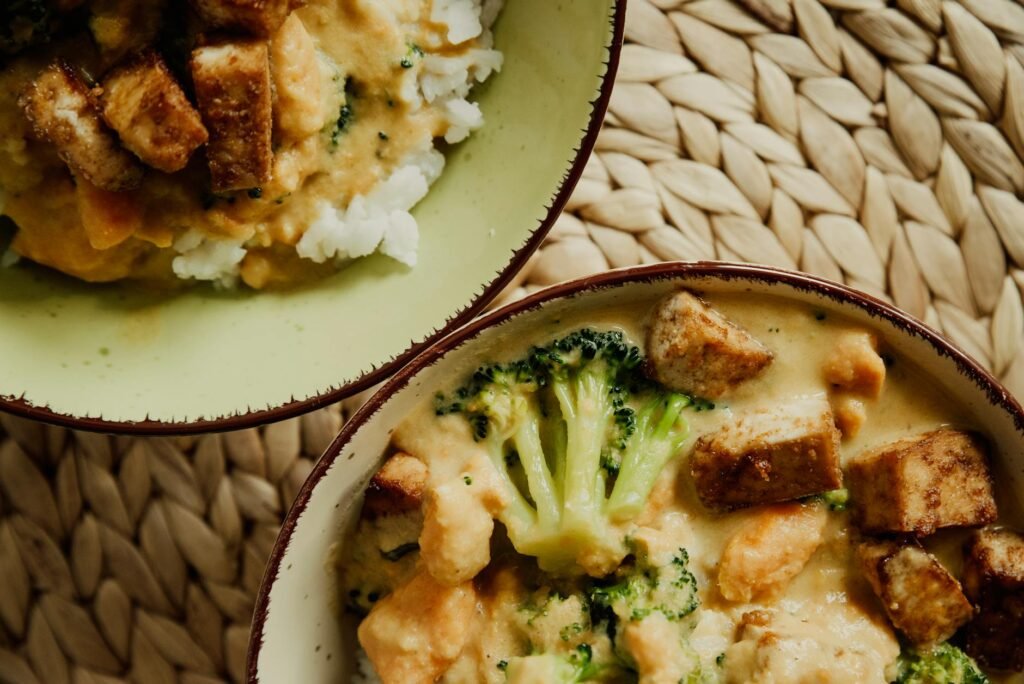
How to build one good sauce from what you already have
- Choose one base: 1 drained can of white beans, 10 to 12 ounces of silken tofu, 1/2 cup tahini, 1/2 cup peanut butter, or 1 cup soaked cashews.
- Add hot liquid slowly. Start with about 1/2 cup broth, unsalted pasta water, or hot water.
- Add acid early. One to two tablespoons of lemon juice or vinegar will usually wake the whole thing up.
- Add savory depth. This can be garlic, mustard, miso, soy sauce, or nutritional yeast.
- Blend until glossy, not just combined. Most home cooks stop too early.
- Adjust for destination. Keep it looser for bowls, medium for vegetables, and slightly thicker for pasta so it clings instead of pooling.
Common mistakes that make creamy vegan sauce disappointing
- Adding too much water too early. Thin flavor is harder to fix than thick texture.
- Skipping acid. Rich sauces without lemon or vinegar usually taste dull, not luxurious.
- Underblending beans or nuts. Graininess is often a blender-time problem, not an ingredient problem.
- Using raw garlic too aggressively. One clove can disappear; three can take over the meal.
- Salting the sauce before you account for salty ingredients such as broth, miso, or soy sauce.
- Pouring a cold, thick sauce directly onto hot pasta without loosening it first with hot liquid.
When your first-choice sauce is the wrong sauce
If you have a weak blender, move beans, tofu, tahini, and peanut butter to the front of the line and save cashews for later. If you need a nut-free option, use white beans, silken tofu, or sunflower seeds. If you are cooking for someone who avoids soy, build around beans or tahini. If the meal already has a heavy element, such as fried tofu or a lot of avocado, use the sharper tahini or tofu sauce instead of cashew cream. And if meal prep is the goal, portion sauces into small containers, label the date, refrigerate promptly, and freeze what you will not use soon. USDA says leftovers should be refrigerated within 2 hours, kept at 40°F or below, used within 3 to 4 days in the refrigerator, or frozen for 3 to 4 months. (fsis.usda.gov)
Food safety still matters with plant-based sauces. If a sauce contains tofu, cooked beans, broth, plant milk, or roasted vegetables, treat it like a perishable leftover: refrigerate it within 2 hours, keep the refrigerator at 40°F or below, and do not leave a big batch drifting in and out of room temperature all evening. (fsis.usda.gov)
Use the 60-Second Sauce Audit before dinner
- Spoon test: It should lightly coat a spoon, not sit like paste and not run like water.
- Real-food test: Taste it on the grain, pasta, or vegetable you are actually serving, not by itself.
- Contrast test: If it feels heavy, add acid. If it feels sharp, add a little more base or hot liquid.
- Heat test: Warm sauces often tighten. Loosen with a spoonful of hot water or pasta water before serving.
- Storage test: If there will be leftovers, portion them now and get them refrigerated within 2 hours. (fsis.usda.gov)
Bottom line
Three sauces will help you to enjoy pasta and vegetables without breaking your budget – try the following: White Bean Garlic Cream Sauce, Tahini Lemon Dressing, and Peanut Lime Dressing. Adding Silken Tofu Sauce for added taste and Cashew Cream for greater richness can give you an even more enjoyable meal when you decide to use them together. The focus here is on making every dish light, complete, versatile, and something you will want to cook again.
FAQ
What is the cheapest creamy vegan sauce base that still tastes good?
Usually white beans or peanut butter. MyPlate says beans, peas, and lentils are budget-friendly protein foods and cost less than a similar amount of other protein foods. White bean sauce is milder; peanut sauce is bolder. (myplate.gov)
Do I need a high-speed blender to make these sauces?
Not always. Tahini, peanut butter, white beans, and silken tofu are forgiving in ordinary blenders. Cashews are the most equipment-sensitive.
How long do homemade vegan sauces last in the fridge?
As a general food-safety rule, refrigerate sauces within 2 hours, keep the refrigerator at 40°F or below, and plan to use most leftovers within 3 to 4 days. (fsis.usda.gov)
Can I freeze them?
Usually yes for meal prep. USDA says leftovers can be frozen for 3 to 4 months, though texture is a quality issue, so test-freeze one portion before freezing a huge batch. (fsis.usda.gov)
How do I make vegan sauce taste richer without adding a lot more fat?
Add heat, acid, and an umami note before reaching for more oil. A tablespoon of lemon juice, miso, mustard, or nutritional yeast often does more than another large spoonful of fat.
References
- USDA Food Plans – https://www.fns.usda.gov/cnpp/usda-food-plans
- MyPlate: Shop Smart – https://www.myplate.gov/eathealthy/budget/budget-price-tag
- MyPlate: Beans, Peas, and Lentils – https://www.myplate.gov/beans-and-peas
- MyPlate: Protein Foods Group – https://www.myplate.gov/eathealthy/protein-foods/protein-foods-nutrients-health?post=08132019a
- FDA: Sodium in Your Diet – https://www.fda.gov/Food/ResourcesForYou/Consumers/ucm315393.htm
- USDA FSIS: Leftovers and Food Safety – https://www.fsis.usda.gov/food-safety/safe-food-handling-and-preparation/food-safety-basics/leftovers-and-food-safety
- USDA FSIS: Refrigeration & Food Safety – https://www.fsis.usda.gov/food-safety/safe-food-handling-and-preparation/food-safety-basics/refrigeration
- FoodSafety.gov: Cold Food Storage Chart – https://www.foodsafety.gov/food-safety-charts/cold-food-storage-charts