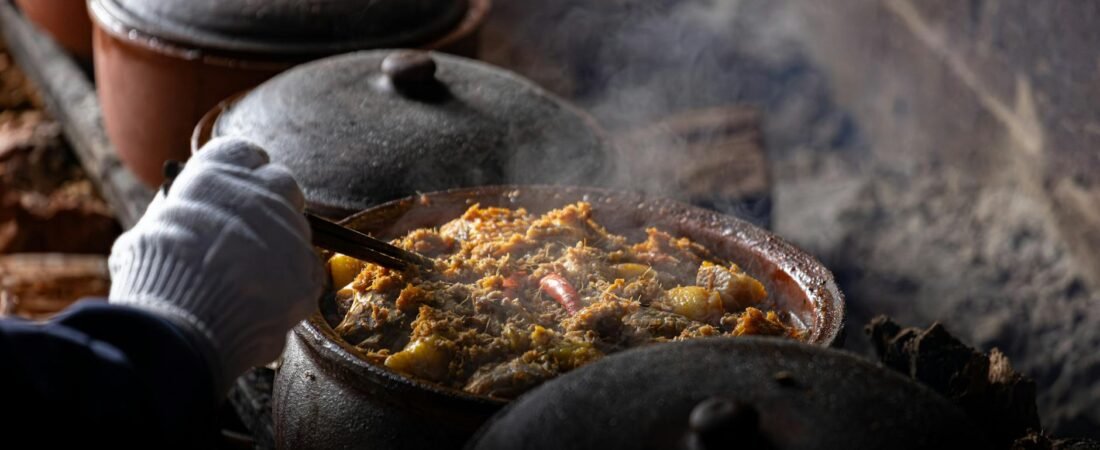
There are two frequent pitfalls when it comes to cooking vegan meals in cool weather: they are usually quite costly or they create such large portions that they can be harmful for you. To counteract this inconvenience however, consider removing the idea of richness from the ingredients traditionally used to create the same type of dish that we see created with traditional meat-based dishes. What your readers will likely be looking for on most weeknights is a meal that feels warm, satisfying, and a little bit indulgent; while at the same time being able to stick within a reasonable weekly grocery budget and also not relying on ingredients such as coconut milk, vegan cheese or packaged meat alternatives every single time you create your meals.
TL;DR
- The cheapest way to make vegan dinners feel rich is usually texture, not fat: think potatoes, red lentils, white beans, barley, mushrooms, and toasted toppings.
- Use one plant protein, one starch, one concentrated flavor booster, and one bright finish. That combination gives you comfort without the drag of very heavy ingredients.
- Frozen vegetables without added sauce and low- or no-salt-added canned goods can help keep prep and cost down; the FDA also notes that rinsing canned beans can help cut sodium. (cdc.gov)
- If you batch-cook, refrigerate leftovers promptly and plan to use them within 3 to 4 days or freeze them. (fsis.usda.gov)
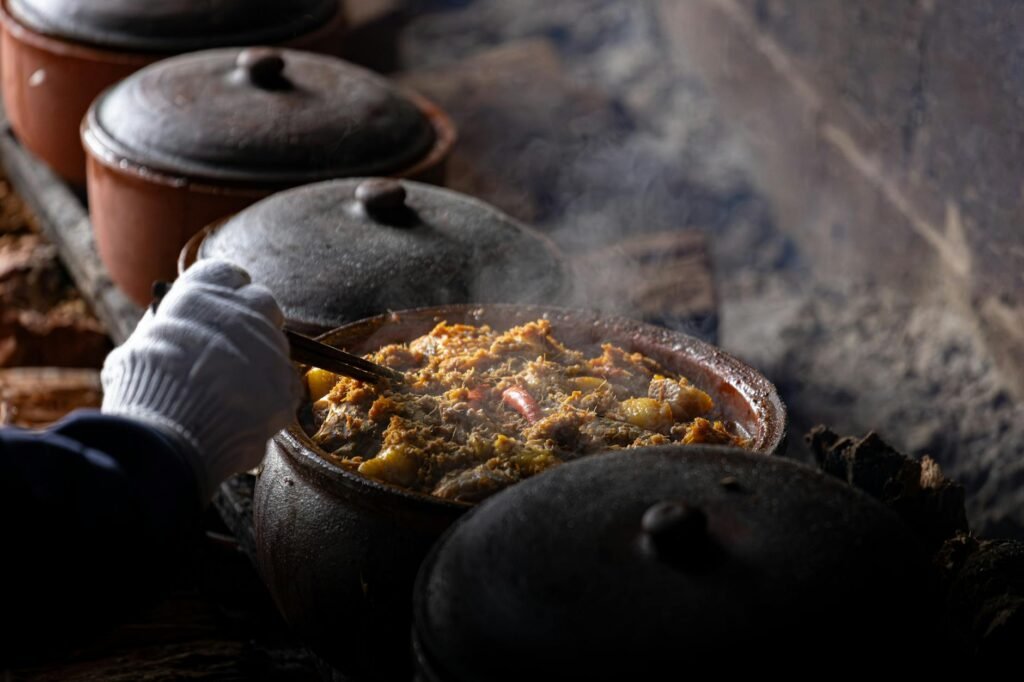
Why rich-feeling vegan dinners often miss the point
USDA guidance already points readers toward some of the cheapest building blocks for satisfying plant-based dinners: beans, peas, lentils, nuts, seeds, and soy products all count as protein foods, and MyPlate specifically highlights beans, peas, and lentils as low-cost protein choices. That matters because a comforting dinner usually needs substance before it needs indulgence. If the bowl has protein, starch, and savory depth, it can feel generous without leaning on pricier shortcuts. (myplate.gov)
The other common miss is convenience shopping in the wrong aisle. CDC and FDA guidance both point to fresh, frozen, or canned vegetables with no added sauce or less sodium as smarter staples, and the FDA notes that most dietary sodium comes from packaged and prepared foods, not the salt shaker. In practice, that means a freezer bag of plain broccoli or spinach usually does more for a weeknight dinner plan than a pricey prepared vegan entrée. (cdc.gov)
Use the Cozy Depth Formula
When putting together a vegan dinner, the most helpful tool is not an exact recipe; it is more like a dinner-building framework. We’ll refer to that framework as the “Cozy Depth Formula.” If you use at least four ofthe five layers of the Cozy Depth Formula in your vegan dinner, there is a good chance that the taste of your completed meal will be much richer than implied bythe ingredients chosen, and also there will be less strain on bothyour stomach and your wallet.
| Layer | Budget-friendly choices | What it adds | Cost guardrail |
|---|---|---|---|
| Heat-holding base | Potatoes, pasta, barley, rice, toast, polenta | Warmth and staying power | Use a pantry starch first; it is usually the cheapest ounce-for-ounce anchor |
| Body builder | Blended white beans, red lentils, oats, puréed squash, mashed potato | Creaminess without cream | Pick one body builder, not three |
| Savory backbone | Onion, garlic, mushrooms, tomato paste, miso, soy sauce, nutritional yeast | Depth and umami | Use one strong booster and one supporting flavor |
| Contrast | Kale, spinach, lemon, vinegar, black pepper, chili flakes | Stops the dish from tasting flat or muddy | A splash of acid is cheaper than extra fat |
| Finish | Olive oil drizzle, toasted breadcrumbs, pumpkin seeds, herbs, crispy chickpeas | Restaurant-style texture and aroma | Keep the finish small and deliberate |
This recipe is a solution to an issue that many people face while trying to stick to their budget and to make sure that they don’t buy too many different types of ingredients. If you only need coconut cream, vegan butter, vegan parmesan, and faux sausage once; then, instead of buying those 4 types of items, you can use the other ingredients to create the same comfort food texture with onions and mushrooms. So to achieve a creamy comfort texture, you would use a spoonful of tomato paste or miso along with creaminess from beans, lentils, potatoes. Comfort comes from layering, not piling on different types of heavy products that will add up quickly.
Five dinner blueprints worth rotating all winter
This is not a fixed recipe. It’s a budget plan that you can repeat with minor differences depending on what’s in your pantry, what’s discounted at your grocery store, and how much time you have available! A typical Tuesday evening.
| Dinner blueprint | Example cost for 4 | Why it feels rich | Best for |
|---|---|---|---|
| White bean, mushroom, and rosemary pot with toast | $8 to $11 | Browned mushrooms plus blended beans create body and depth | A colder night when you want stew energy without a cream base |
| Red lentil tomato pasta with spinach | $7 to $10 | Lentils melt into the sauce and make it cling to pasta | Fast pantry dinner with minimal chopping |
| Smoky sweet potato and black bean chili over rice | $9 to $13 | Sweet potato thickens the pot while beans keep it filling | Batch cooking and freezer leftovers |
| Barley-miso mushroom bowls with roasted carrots | $8 to $12 | Barley adds chew, miso adds savoriness, carrots keep it sweet | A dinner that feels more substantial than soup |
| Broccoli-pea potato soup with crispy chickpeas and bread | $8 to $11 | Potato and peas create a silky texture; crispy chickpeas add crunch | A light but cozy dinner that still feels complete |
- For the white bean pot, brown the mushrooms well, then blend part of the beans into the broth instead of adding cream.
- For red lentil pasta, simmer the lentils directly in the tomato base so the sauce thickens on its own.
- For chili, use sweet potato or squash as the body builder before reaching for extra oil or a packaged thickener.
- For barley bowls, roast one inexpensive vegetable for sweetness and keep the finish sharp with lemon or vinegar.
- For blended soups, add a crunchy top layer such as toasted breadcrumbs or crispy chickpeas so dinner does not feel one-note.
A realistic example: say a household of two adults and one child wants three cold-night dinners from one small shop and already has oil, salt, pepper, chili flakes, soy sauce, and vinegar at home. A sample cart might look like this: red lentils $1.79, pasta $1.29, two cans of white beans $1.78, mushrooms $2.49, onions $1.50, garlic $0.69, carrots $1.29, kale $1.79, tomato paste $0.99, broth $1.69, bread $2.79, potatoes $1.99, and frozen peas $1.39. Total: about $21.47. That cart can reasonably cover a lentil pasta night, a white bean mushroom stew night, and a potato-pea soup night, with at least one lunch portion left over if the bread and pantry seasonings stretch well. The important finance lesson is not the exact total. It is the structure: one bagged legume, one canned legume, one starch, one leafy green, one aromatic set, and one freezer vegetable can do more work than a cart built around specialty substitutes.
A one-week cold-night shopping method that does not waste food
- Pick two protein anchors. A strong pairing is one fast option and one slower option: for example, canned beans plus red lentils, or tofu plus split peas.
- Choose two starch bases that can cross over into multiple dinners. Pasta and potatoes work; rice and barley also work.
- Buy three vegetables by job, not by recipe: one allium set such as onion and garlic, one bulky vegetable such as mushrooms, cabbage, carrots, or broccoli, and one green such as kale or spinach.
- Choose two concentrated flavor boosters. Tomato paste, miso, soy sauce, broth concentrate, and nutritional yeast all earn their place because a small amount changes a whole pot.
- Plan one dinner for the first two nights and one freezer-friendly dinner for later in the week. That reduces the odds that fresh produce dies in the crisper.
- If you cook a double batch, portion it right away. Keep only what you will eat in the next few days in the fridge and freeze the rest.
That last step matters. USDA food safety guidance says leftovers can be kept in the refrigerator for 3 to 4 days, and they should be refrigerated promptly. For a budget-conscious reader, freezing part of a batch is not just a safety move; it is also an anti-waste move that helps protect the grocery budget from those “I guess we’re ordering takeout because this went bad” nights. (fsis.usda.gov)
How to make a light dinner taste deep, not thin
- Brown onions and mushrooms longer than feels necessary. Pale vegetables taste steamed; deep color tastes more developed.
- Cook tomato paste for a minute or two in the pot before adding liquid. That one step changes the whole sauce.
- Blend one cup of beans or a ladle of soup and stir it back in. It creates body without cream.
- Use red lentils or even a small spoonful of oats as an almost invisible thickener in soups and stews.
- Finish with acid at the end. Lemon juice or vinegar makes a dinner feel brighter and more complete.
- Add one crisp element. Toasted breadcrumbs, pumpkin seeds, or roasted chickpeas make a soft dinner feel deliberate.
If you cook dried beans, keep acidic ingredients such as tomatoes or vinegar out of the pot until the beans are tender. USDA MyPlate notes that foods containing acid can slow the cooking and softening of beans. That kind of tiny technical detail can save both time and frustration on a cold night. (myplate.gov)
Common mistakes that make vegan comfort food feel expensive or disappointing
- Buying the meat substitute first and the flavor structure second. If the pot lacks onions, garlic, starch, and a concentrated savory note, the expensive item rarely rescues it.
- Using full-fat coconut milk by default. Sometimes that is the right flavor, but often blended beans, potato, or oat milk can give a similar comfort effect with a lighter finish.
- Skipping contrast. A beige bowl with no greens, herbs, acid, or pepper can taste heavy even when it is technically light.
- Overlooking sodium on packaged helpers. The FDA notes that most dietary sodium comes from packaged and prepared foods, so a few convenience additions can push a dinner from cozy to overly salty quickly. (fda.gov)
- Buying too many fragile vegetables for an ambitious plan. Cheaper winter dinners work better when at least half the cart is pantry- or freezer-stable.
- Storing every leftover in the fridge and hoping for the best. Freeze part of the batch if you will not eat it within 3 to 4 days. (fsis.usda.gov)
When the first plan is not enough
Some households have extra constraints: someone dislikes beans, a family member needs lower-sodium meals, or the cook has 15 minutes and not a minute more. The backup plan is not to abandon the whole idea. It is to swap the pressure point. If beans are the problem, use lentils that disappear into the sauce or tofu, which USDA also lists among plant protein choices. If sodium is a concern, lean harder on no-salt or low-sodium canned goods, frozen vegetables without sauce, and rinsed beans. (myplate.gov)
| Problem | Fastest fix | Added cost |
|---|---|---|
| Dinner tastes thin | Blend in beans, potato, or a cup of the soup itself | Very low |
| Dinner is filling but bland | Add tomato paste, miso, soy sauce, or nutritional yeast | Low |
| Dinner feels heavy and flat | Add lemon or vinegar and a green herb | Very low |
| Dinner needs crunch | Top with toasted breadcrumbs or crispy chickpeas | Low |
| No time to simmer | Use canned beans, pasta, frozen greens, and tomato paste | Low to moderate |
| Need lower sodium | Choose no-salt-added cans, use plain frozen vegetables, and rinse beans | Low |
How to pressure-test this advice before it becomes your routine
- Do a per-serving check before shopping. If a weeknight dinner is drifting above your own comfort number, cut specialty products before you cut the vegetables or protein anchor.
- Use a simple balance check: one plant protein, one starch or grain, and at least one vegetable. That lines up with USDA meal-planning basics more reliably than chasing a viral recipe. (myplate.gov)
- Read the label on convenience additions. The FDA says most sodium in US diets comes from packaged and prepared foods, so broth, sauces, plant-based meats, and canned soups deserve a quick scan. (fda.gov)
- If you eat fully vegan, make sure your overall diet includes a reliable vitamin B12 source from fortified foods or supplements. NIH notes that vegans have a higher risk of vitamin B12 deficiency, and also points to fortified soy beverages and some tofu as calcium sources. (ods.od.nih.gov)
- Date your leftovers. USDA says to use refrigerated leftovers within 3 to 4 days or freeze them. (fsis.usda.gov)
Bottom line
Vegan dinners created to feel warm on a cold night do so by having their comfort experienced through a lower-cost, more repeatable system, rather than recreating the richness of restaurant-style food using expensive stand-ins. To accomplish this, assume that ‘richness’ is a method of preparing food rather than a food category/subcategory. Therefore, with this thinking in mind, your meals will generally provide better flavor, reduce costs, and produce less ‘heaviness’ on your body upon waking the next morning.
Are dried beans always the cheapest option for vegan comfort dinners?
Usually they are cheaper per serving, but not always cheaper in real life if they sit in the pantry because you did not have time to cook them. USDA MyPlate highlights beans, peas, and lentils as low-cost protein foods, so the best choice is the version you will actually use. For weeknights, canned beans can still be a strong value, especially if you buy low- or no-salt-added versions or rinse them. (myplate.gov)
What is the best way to make vegan soup feel creamy without heavy ingredients?
When adding creamy ingredients, start with a base of lighter products and then add heavier products over time (for example, white beans, red lentils, potatoes, oats, or pureed vegetables can provide creaminess). Finally, add finished toppings to provide additional texture. Most of the time, that will create a much more satisfying meal than simply providing all of your coconut milk in a single container.
Can frozen vegetables really work in comforting winter dinners?
Yes. CDC and FDA both point readers toward frozen vegetables without added sauce or excess sodium as practical choices. They are especially useful for soups, pasta sauces, curries, and grain bowls because they reduce prep and food waste. (cdc.gov)
Do I need faux meat to make a vegan dinner filling?
No. USDA MyPlate includes beans, peas, lentils, nuts, seeds, and soy products among protein foods, so a filling vegan dinner can start with beans, lentils, or tofu and still feel complete. Faux meat can be a choice, but it is not the foundation you need every time. (myplate.gov)
How long will these dinners keep?
USDA food safety guidance says leftovers can generally be kept in the refrigerator for 3 to 4 days or frozen for 3 to 4 months. If you batch-cook on Sunday, it is smart to freeze part of the food right away instead of keeping the entire batch in the fridge. (fsis.usda.gov)
References
- USDA MyPlate: Protein Foods Group – https://www.myplate.gov/web/web/eat-healthy/protein-foods
- USDA MyPlate: Enjoy Vegetarian Meals – https://www.myplate.gov/web/tip-sheet/enjoy-vegetarian-meals
- USDA MyPlate: Shop Smart – https://www.myplate.gov/eathealthy/budget/budget-price-tag
- USDA MyPlate: Prepare Healthy Meals – https://www.myplate.gov/eathealthy/budget/budget-cooking
- USDA MyPlate: Healthy Eating on a Budget – https://www.myplate.gov/web/web/eat-healthy/healthy-eating-budget
- FDA: Sodium in Your Diet – https://www.fda.gov/Food/ResourcesForYou/Consumers/ucm315393.htm
- CDC: Tips for Reducing Sodium Intake – https://www.cdc.gov/salt/reduce-sodium-intake/
- USDA FSIS: Leftovers and Food Safety – https://www.fsis.usda.gov/food-safety/safe-food-handling-and-preparation/food-safety-basics/leftovers-and-food-safety
- NIH Office of Dietary Supplements: Vitamin B12 Consumer Fact Sheet – https://ods.od.nih.gov/factsheets/VitaminB12-Consumer/?redirect=false
- NIH Office of Dietary Supplements: Calcium Health Professional Fact Sheet – https://ods.od.nih.gov/factsheets/calcium-HealthProfessional/
- NIH Office of Dietary Supplements: Iron Consumer Fact Sheet – https://ods.od.nih.gov/factsheets/iron-Consumer/