TL;DR
- The cheapest way to make vegan dinners feel rich is to layer three things: savory depth, creamy body, and a little fat.
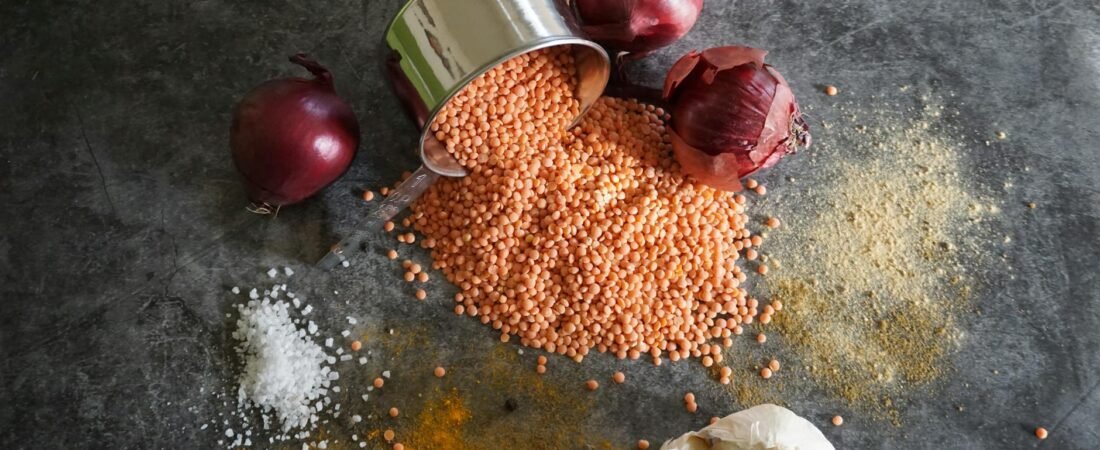
- The strongest budget buys are yellow onions, tomato paste, oats, white beans, potatoes, lentils, coconut milk, and peanut butter.
- Use the Comfort-Per-Dollar Scorecard in this article to decide which ingredients deserve a permanent spot in your kitchen.
- A small basket of these items can anchor several comforting dinners without leaning on pricey vegan cheese, meat substitutes, or single-use specialty products.
- Track whether each ingredient gets used at least three times before it spoils. If it does not, it is not a budget staple for your household.
Many plant-based meals are lacking in one way – they can be healthy enough, but they do not create the sense of abundance, comfort, or having all of your needs met. For many people, the first thing they will do (if they haven’t already done so) is purchase cream, high-end cashew cream and a meat alternative. While these options may provide some relief, they don’t necessarily represent the most economical route to dine on a vegan diet. Instead, a better way to achieve richness would be to create an abundance of flavorful sauces from inexpensive pantry staples that can serve multiple purposes.
Think of richness as a system, not a product. Some ingredients deepen flavor. Some thicken broth into something spoonable. Some add just enough fat to carry spices and make dinner feel comforting instead of thin. USDA budget guidance also leans toward building meals from staples, and USDA notes that canned and frozen produce can be budget-friendly when fresh options are out of season or likely to go to waste. Beans, peas, and lentils are especially useful because MyPlate classifies them as excellent sources of plant protein, while Harvard describes legumes as an inexpensive source of protein, potassium, and complex carbohydrates, including fiber. (myplate.gov)
Use the Comfort-Per-Dollar Scorecard
Before making a plant-based product an official ‘budget-staple’, and to help determine whether it meets this requirement, you need to consider certain tests; Each test passed = one point. You do not need to have perfection but help eliminate wasting your time/money/space by identifying items that sound like they would be great budget options but just don’t get used before reaching their use by/or expiration date.
- Adds one of the three richness jobs: savory depth, creamy body, or satisfying fat.
- Costs little enough that you will actually use it instead of rationing it.
- Works in at least three different weeknight dinners.
- Stores well enough that a schedule change does not automatically turn it into waste.
- Still helps dinner feel comforting even when the rest of the meal is simple.
Tip: My rule is simple: ingredients that score 4 or 5 stay in rotation. Ingredients that score 3 need a specific plan before they go in the cart.
The ingredients that do the most work for the least money
| Ingredient | Why it feels rich | Sample price snapshot | Best dinner uses | Score |
|---|---|---|---|---|
| Yellow onions | Slow-cooked onions add sweetness, depth, and that long-cooked feeling even in fast meals. | $2.34 for a 3 lb bag. (walmart.com) | Soups, lentils, pasta sauce, skillet potatoes, curry | 5/5 |
| Tomato paste | Concentrated savory flavor that makes cheap staples taste fuller and slower-cooked. | $0.86 for a 6 oz can. (walmart.com) | Chili, braised beans, lentil sauce, soup bases | 5/5 |
| Quick rolled oats | A cheap thickener that can turn broth or sauce creamy without dairy. | $4.18 for 42 oz, with 30 servings listed on the package. (walmart.com) | Tomato soup, veggie burgers, gravy, blended stews | 5/5 |
| Canned white beans | Blend them and they act like a cream base with more body than broth alone. | $0.86 for a 15.5 oz can. (walmart.com) | White bean soup, pasta sauce, mashed bean toasts | 4/5 |
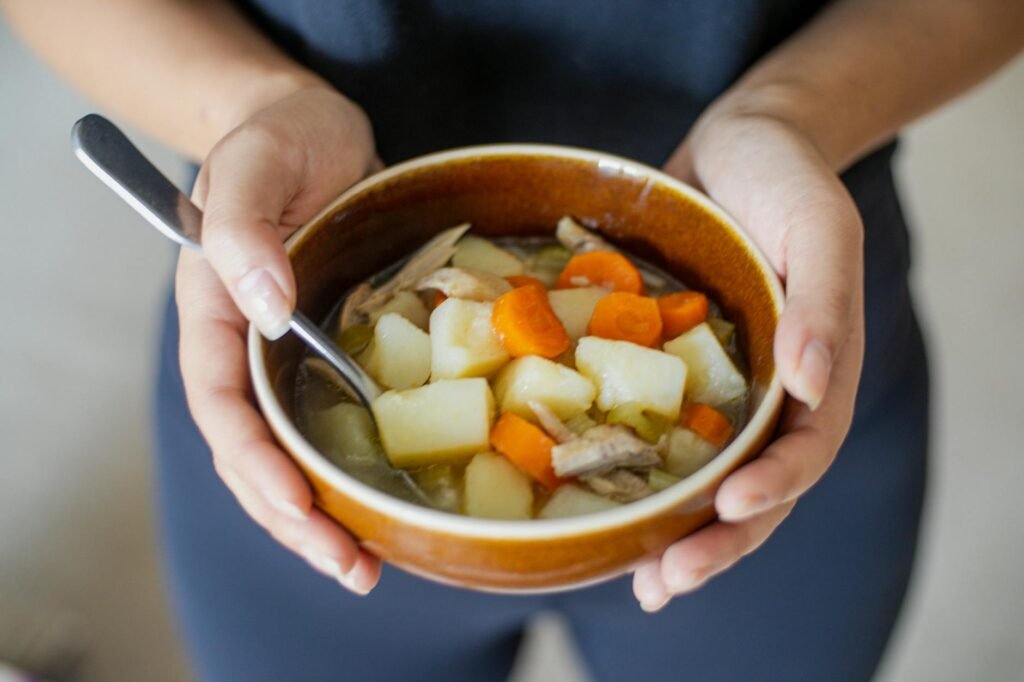
| Russet potatoes | Cheap starch gives dinners heft, silkiness, and comfort. | $3.23 for a 5 lb bag. (walmart.com) | Mash, soups, curry, shepherd’s pie topping | 5/5 |
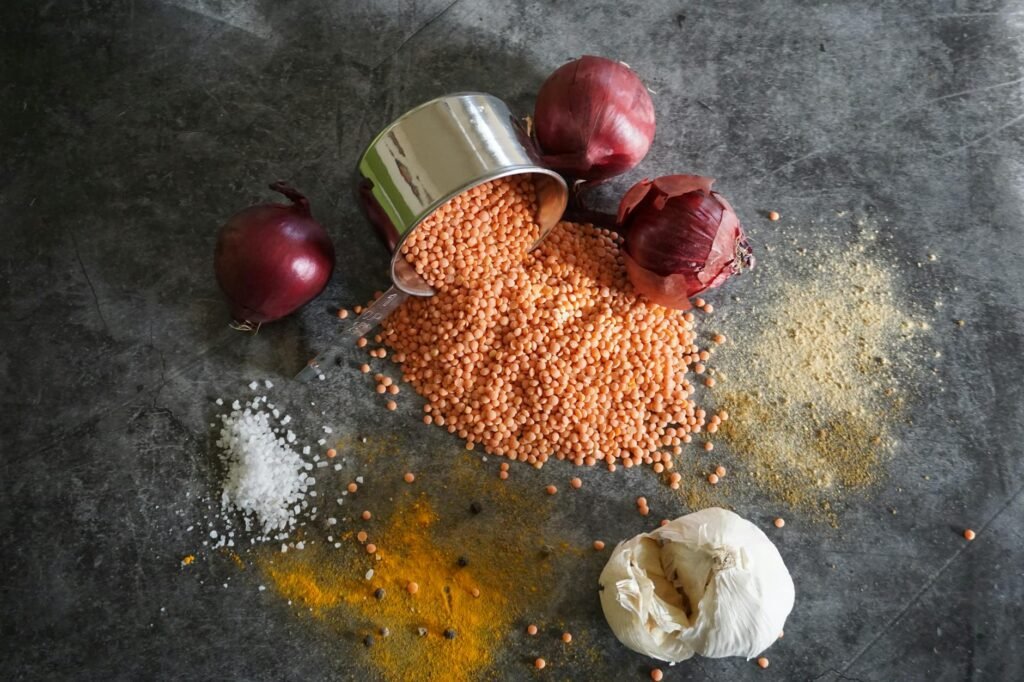
| Dry lentils | Bring body and protein; red lentils almost melt into sauces and soups. | $1.92 for a 1 lb bag. (walmart.com) | Bolognese, dal, tacos, stew, sloppy joe filling | 5/5 |
| Coconut milk | A small amount adds instant silkiness and rounds out spice. | $2.12 for a 13.5 fl oz can. (walmart.com) | Curries, tomato soup, braised greens, peanut sauces | 3/5 |
| Peanut butter | Adds fat, thickness, and a savory-sweet note when used carefully. | $1.98 for a 16 oz jar. (walmart.com) | Noodle sauces, stews, peanut-lime dressings, satay-style soups | 4/5 |
It is apparent from the evidence that the most economical budget ingredients are not those that imitate dairy products or meat products in taste or feel: rather, the best economical budget ingredients enhance the flavour and mouth feel of low-cost basic foods to make them taste fuller or thicker. Onions, tomato paste, potatoes, oats, beans, and lentils all provide greater value than most other specialty vegan products.
How to make cheap vegan dinners feel richer without buying vegan luxury items
Start with onions and tomato paste for depth
Most likely the answer if your vegan meals taste flat. Saute longer than you think you should. Don’t burn it or cook until soft, but slowly and deeply caramelize until golden brown before adding any liquid to it. Once this is done, stir in some tomato paste with the oil for a minute or two and then continue to add your liquid. This small adjustment to the cooking technique will completely change how you experience the lentils or beans/stews/pasta sauce cooked this way. It will also make inexpensive meals taste less like separate, assembled ingredients and more like an actual dish.
The financial impact is important in that both products have a tendency to stretch everything that’s using them. If you made a pot of lentils by adding raw onion and canned tomatoes many times it would not taste as full-bodied as the same lentil pot prepared with browned onion and the addition of tomato paste. The first lentil broth will likely taste thin, even though you’ve added organic cream, a substantial amount of vegan sausage, and pure olive oil.
Use white beans, oats, and potatoes as your cheap creaminess tools
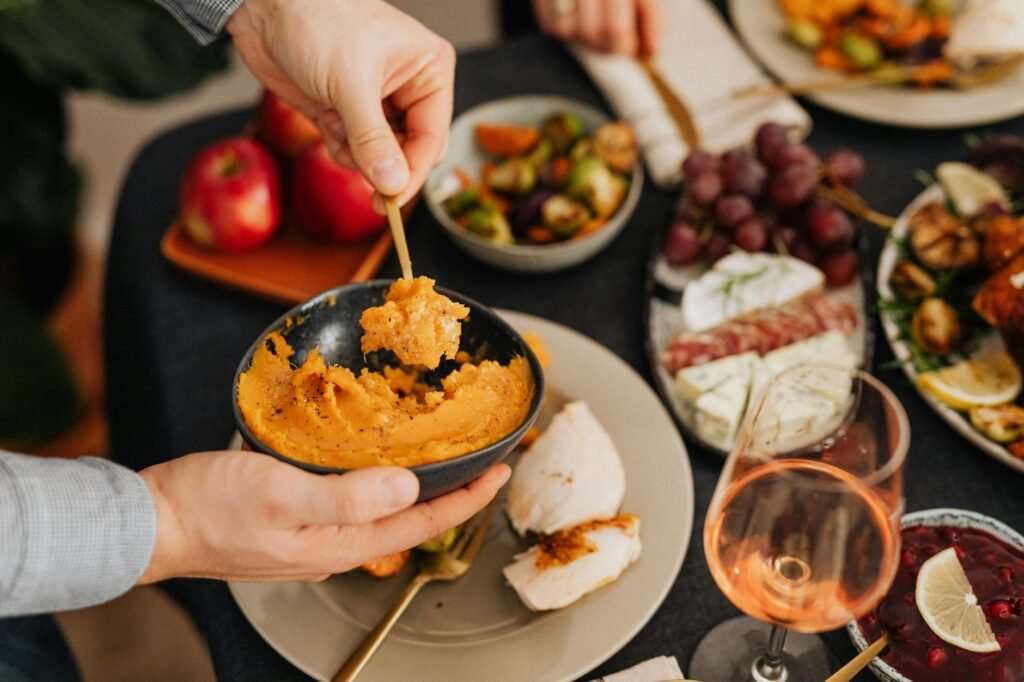
Many will move from broth directly to coconut milk, however, there is a more affordable transitional product between these two products that people don’t tend to think about as they are cooking. This is a blend (pureed) of white beans and then adding them to soups and sauces gives creaminess to the final dish without it tasting too much like white beans if you use the right seasonings. Quick oats can either be blended dry or whisked into a simmering liquid in small amounts to help thicken up tomato soup, lentil stew or gravy for vegetables. Potatoes have been used for comfort food for many generations and the reason is that if they are mashed, added to broth, or allowed to dissolve into the finished dish, it will give you the feeling (in taste) of something much richer than if you didn’t use any potatoes.
In general, here is how to decide which legume to use: Beans are best suited for textures that are silky and neutral; Oats are great as a pantry thickening agent that tends to be less noticeable; Potatoes will give you true ‘heft’ or weight. Relying on only one of these forms of starchy vegetables will create a bland! Instead, use a combination to give you some variation (and, therefore, some comfort) to continuing with cheap vegan cooking as a means to sustain healthy living while maintaining a variety of high quality recipes to enjoy along the way!
Bring in lentils, coconut milk, and peanut butter with restraint
Lentils provide the main ingredient for lentil-based dishes. Red lentils dissolve almost completely in sauce (like when you want body but don’t want to see a lot of ingredient lumps). Brown and green lentils are better at keeping their shape, making meals feel heartier. While coconut milk is an option for comfort food, it’s not your only choice and often isn’t an inexpensive ingredient. Use it as a finishing ingredient instead of using it in every dish. ¼ – ½ of a can is often adequate when onions, tomato paste, and starch already contribute some body and thickness to the dish.
Peanut butter can also be used as a budget-friendly superfood. If you were to add a spoonful or two (up to two) of peanut butter to your thin noodle sauce, it would give it a shiny and satisfying texture. The same can happen with tomato-based stews or coconut sauces that are spicy. The mistake people make is that they add too much to their dish and it ends up tasting more like peanut butter found in their lunchboxes. To keep it from tasting like that, thin out the peanut butter by adding some hot water to it, then combine with an acid and some salt, and use as a supporting ingredient or element rather than as the main one.

A realistic one-week example for a two-adult household
Using recent online price snapshots, a simple eight-item richness basket comes to about $17.49 before tax: onions, potatoes, lentils, tomato paste, oats, canned white beans, coconut milk, and peanut butter. (walmart.com)
This does not necessarily mean that you create an entire basket’s worth of meals; however, you do have the ability to prepare numerous, lower-cost meals using the same ingredients for the week. For example, if you have access to rice, pasta, broth, garlic, and general spices from the pantry, you can utilise the ingredients from your basket to help prepare many of the emotional components associated with meals for your family over that week. You can also expect to have additional oats, peanut butter, and generally some tomato paste remaining for additional meals to prepare in the next round of meals.
- Night 1: Lentil and tomato stew over mashed potatoes.
- Night 2: Creamy white bean and potato soup, thickened with a little oat slurry.
- Night 3: Peanut noodles with caramelized onions and whatever vegetables need using up.
- Night 4: Coconut-lentil curry built on onion and tomato paste, served over rice.
It’s not really about what menus to put on your menu, it’s more about using one container to make multiple styles of comfort like stews, soups, noodle, and curry. This is how to get the maximum amount of financial benefit from all 4 of those items combined in one set of ingredients.
A low-stress shopping plan that actually works
- Choose one depth builder: onions or tomato paste. If you can afford both, buy both.
- Choose one creaminess builder: potatoes, white beans, or oats.
- Choose one richer accent: coconut milk or peanut butter.
- Choose one protein-and-body anchor: lentils or another low-cost bean you already know how to cook.
- Before checkout, name the three dinners each ingredient will appear in. If you cannot do that, put it back.
- Plan one rescue use for leftovers. Example: extra coconut milk goes into soup; extra white beans get blended into pasta sauce; extra potatoes become mash or home fries.
Common mistakes that make budget vegan food feel thin or expensive
- Buying a specialty vegan product before you have a low-cost flavor base. Fancy replacements cannot fix a bland pot.
- Using coconut milk as a default instead of a tool. It raises cost fast if it becomes automatic.
- Skipping browning time. Cheap ingredients taste much better when onions and tomato paste get proper heat.
- Adding only starch and no concentrated flavor. Potatoes and oats help texture, but they need salt, acid, and savory depth.
- Buying ingredients that work in one recipe only. That is how frugal intentions turn into pantry clutter.
- Ignoring waste. Half a can of something thrown out is not cheap, even if the full can looked cheap in the store.
When your first plan is not enough
Real life gets in the way of perfect meal plans. Maybe your store marks up coconut milk. Maybe beans bother your stomach. Maybe you are cooking in a tiny kitchen and cannot handle lots of half-used containers. That does not break the system. It just means you need a backup layer. If coconut milk is expensive, lean harder on potatoes, oats, and white beans for creaminess. If peanuts are not an option, skip them and build a tomato-onion base instead. If dried beans feel unrealistic on weeknights, canned beans are still useful. And if fresh produce is poor quality or likely to spoil, USDA notes that frozen and canned produce can be budget-friendly alternatives. (usda.gov)
- Soy-free household: rely more on lentils, white beans, potatoes, and peanut-free sauces.
- Nut-free household: use oat or white bean thickness instead of peanut-based richness.
- Sensitive digestion: start with lentils, especially red lentils, before committing to lots of large beans.
- Tiny pantry: prioritize tomato paste, onions, lentils, and potatoes first. They do the most work per inch of shelf space.
Important: If you follow a medically necessary low-sodium, kidney, allergy-related, or other therapeutic diet, use these ideas as general information and tailor them with a clinician or registered dietitian.
Anti-waste tip: After opening canned beans or coconut milk, move leftovers to a glass or plastic container before refrigerating. USDA says unused canned food may be refrigerated in the can, but transferring it helps preserve quality and flavor. (fsis.usda.gov)
How to pressure-test whether this advice is really saving you money
- For two weeks, write the purchase price directly on each richness ingredient with a marker or a sticky note.
- Each time you use it, mark one tally on the package or in your notes app.
- At the end of the test, ask two questions: Did it show up in at least three dinners, and did it make those dinners feel noticeably better?
- If an ingredient spoiled, count that full cost against it. Do not excuse waste just because the sticker price looked low.
- Compare your results against the Comfort-Per-Dollar Scorecard and demote anything that scored well in theory but failed in your actual routine.
- If your cheap dinners start becoming mostly starch and sauce, compare your week against MyPlate’s vegetarian meal and vegetable guidance, then add back more beans, lentils, tomato products, or vegetables on the next shopping trip. (myplate.gov)
Bottom line
To make inexpensive vegan meals taste delicious without splurging on the best substitutes for meat-based dishes – focus more on the function versus the product. In various combinations, use onions and tomato paste to create depth, potatoes + oats + white beans for volume/body, and little amounts of coconut milk or peanut butter will help you to make a dish feel fuller. Finally, have common ingredients around that you tend to use over and over again; having all of these together is what makes your pantry frugal rather than simply cheap.
FAQ
What is the single best cheap ingredient to start with if my vegan dinners taste flat?
Yellow onions generally make an ideal starter purchase; they enhance the flavor of nearly every type of savory meal and work wonderfully with lentils and beans, adding richness and bodiness to meals that are simply prepared. If and when possible, tomato paste is the second most beneficial item to purchase, if two items can be purchased at once.
Can quick oats really go in savory dinners?
Quick oats can be added in small quantities to soup, stew, gravy, or even tomato sauce to add thickness to the dish without giving it a breakfast flavour. If you wish to have a smoother consistency to your finished product, you can blend them first; however, it is recommended that you add a small amount at a time so as not to alter the overall texture of the dish.
Do canned beans count as a serious protein source, or are they just filler?
They count. USDA MyPlate lists beans, peas, and lentils as excellent sources of plant protein, which is one reason they are so useful in budget vegan cooking. (myplate.gov)
How do I stretch one can of coconut milk across more than one meal?
You often don’t need to use an entire can of the item you’re making your dish with; rather, you’ll use roughly 1/4 to 1/2 of it in addition to potatoes, oats, or white beans for the remaining creaminess. This allows you to maintain the intended flavor and texture without allowing one ingredient to take over and become the majority of your food budget.
What is the best way to store leftover canned beans or coconut milk?
Transfer the leftovers to a glass or plastic container, cover them, and refrigerate. USDA says unopened shelf-stable canned foods last well when stored properly, and once you open a can, moving the food to another container helps preserve quality and flavor. (fsis.usda.gov)
References
- USDA MyPlate: Beans, Peas, and Lentils – https://www.myplate.gov/beans-and-peas
- USDA MyPlate: Healthy Eating on a Budget – https://www.myplate.gov/web/web/eat-healthy/healthy-eating-budget
- USDA MyPlate: Enjoy Vegetarian Meals – https://www.myplate.gov/web/tip-sheet/enjoy-vegetarian-meals
- USDA MyPlate: Vegetable Group – https://www.myplate.gov/eathealthy/vegetables
- USDA Food Plans – https://www.fns.usda.gov/cnpp/usda-food-plans
- USDA: How to Save More on Fruits and Vegetables – https://www.usda.gov/about-usda/news/blog/how-save-more-fruits-and-vegetables
- USDA FSIS: Shelf-Stable Food Safety – https://www.fsis.usda.gov/food-safety/safe-food-handling-and-preparation/food-safety-basics/shelf-stable-food
- Harvard T.H. Chan School of Public Health: Lentils – https://nutritionsource.hsph.harvard.edu/food-features/lentils/
- Harvard T.H. Chan School of Public Health: Legumes and Pulses – https://nutritionsource.hsph.harvard.edu/legumes-pulses/
- Harvard T.H. Chan School of Public Health: Ask the Expert, Legumes and Resistant Starch – https://nutritionsource.hsph.harvard.edu/2015/11/16/ask-the-expert-legumes-and-resistant-starch/
- Walmart: Fresh Yellow Onions, 3 lb Bag – https://www.walmart.com/ip/10447842?selectedSellerId=F55CDC31AB754BB68FE0B39041159D63
- Walmart: Fresh Whole Russet Potatoes, 5 lb Bag – https://www.walmart.com/ip/10447837?selectedSellerId=F55CDC31AB754BB68FE0B39041159D63