TL;DR
- When a vegan comfort plate has a base that is warm, a protein anchor that is real, savory depth, richness, and a bright/crunchy counterpart, it feels complete. Many meatless dinners have a “thin” feeling because they do not include one of these components.
- Use the HEARTH Plate Test: Hearty base, Enough protein, Aroma and umami, Richness, Tension, Half-plate produce.
- For grocery value, buy the foundation in high-yield forms and spend selectively on flavor. USDA’s Food Buying Guide lists about 15.5 half-cup cooked servings from 1 pound of dry brown parboiled rice, about 29.6 quarter-cup cooked servings from 1 pound of dry lentils, and about 7.28 quarter-cup tofu servings per pound. (foodbuyingguide.fns.usda.gov)
- Canned and frozen vegetables can be just as nutritious as fresh, often last longer, and may cost less. Choose low-sodium or no-salt-added versions when possible. (myplate.gov)
- Use shelf unit price and the Nutrition Facts label to compare products. FDA says label comparisons start with serving size, and most dietary sodium comes from packaged and prepared foods. (myplate.gov)
The real problem with vegan comfort food is rarely flavor alone. It’s structure. Too many plates take meat and dairy away, then forget to replace what those foods were doing: carrying the meal, holding the sauce, adding body, and making dinner feel worth the grocery money. USDA’s Economic Research Service projects food-at-home prices to rise 3.1% in 2026, so a comfort dinner that misses is not just disappointing. It’s wasteful. (ers.usda.gov)
USDA’s MyPlate says healthy eating can fit dietary preferences and budget, and vegetarian protein options include beans, peas, lentils, nuts, seeds, and soy foods. That is the opening for a serious vegan comfort plate. You do not need a cart full of premium substitutes to make dinner feel generous. You need a smarter plan for the plate. (myplate.gov)
Use the HEARTH Plate Test before you cook
The HEARTH Plate Test is my guide for determining whether a food is “comforting.” Before you go grocery shopping or begin preparing dinner, determine if your meal has all six parts. If your meal consists of five or six items, it is a complete meal; if it consists of three or four, those will be considered side dishes.
- Hearty base: Start with a starch that can carry sauce and hold heat, such as potatoes, rice, polenta, pasta, grits, or thick toast.
- Enough protein: Choose a protein that is the center of the meal, not the garnish. Beans, peas, lentils, nuts, seeds, tofu, and tempeh all qualify as vegetarian protein options. (myplate.gov)
- Aroma and umami: Build depth with onions, garlic, mushrooms, tomato paste, miso, soy sauce, smoked paprika, bouillon, or roasted edges.
- Richness: Add fat or creaminess on purpose. Think olive oil, tahini, peanut butter, avocado, vegan butter, or a sauce made with fortified soy milk. Fortified soy milk and yogurt with added calcium, vitamin A, and vitamin D count in MyPlate’s Dairy Group. (myplate.gov)
- Tension: Every comfort plate needs lift so it does not taste heavy by the third bite. Use lemon, vinegar, hot sauce, herbs, pickles, or toasted crumbs.
- Half-plate produce: Comfort food still needs a real vegetable component. MyPlate’s visual guide is to make half your plate fruits and vegetables, and vegetables can be fresh, frozen, canned, or dried. (myplate.gov)
It is a test of how much money something costs as opposed to being a test of purity. If the plate does not have all of the ingredients it should, then people will replace them with other specialty items in their food, which tends to be a lot more expensive than putting it together correctly the first time.
Build the plate from the middle out
First identify the feeling you are trying to achieve then select the cheapest ingredient capable of producing that feeling. Potatoes (or lentils), for example, have more potential than expensive vegan cheese to produce feelings of comfort in relation to a spoonable food. To create chewiness/crispiness – tofu or tempeh will provide you with a better value compared to continually purchasing bags of shredded vegan cheese.
| If you want this comfort-food mood | Start with | Support with | Usually skip |
|---|---|---|---|
| Pot pie or stew | Mashed potatoes or biscuits | White beans or lentils, mushrooms, gravy | Premium faux chicken unless that is the whole point |
| Mac-and-cheese energy | Pasta | Creamy sauce, peas or broccoli, beans | Buying vegan cheese, bottled sauce, and a meat substitute for the same meal |
| Diner plate | Baked potato or grits | Crisp tofu or tempeh, greens, gravy | A separate side salad you will not eat |
| Burrito-bowl comfort | Rice | Beans, sautéed peppers and onions, avocado or slaw | Single-serve toppings that quietly raise the bill |
| Sunday roast feel | Roasted potatoes or polenta | Braised greens, mushroom sauce, lentils | Trying to imitate every meat texture at once |
Notice what is happening here: the starch and the protein create satisfaction, the sauce creates comfort, and the expensive ingredient is optional. That is the difference between a soulful plate and an expensive workaround.
A realistic budget-minded example
Suppose a single adult is trying to keep at-home food spending close to USDA’s Thrifty Food Plan. In the latest February 2026 report, the weekly cost for a woman ages 20 to 50 in a four-person household is $57.50. USDA suggests adding 20% for a one-person household, which brings that to about $69 a week, or roughly $9.86 a day. On that kind of budget, building every comfort dinner around specialty vegan cheese, cutlets, and bottled sauces gets hard fast. (fns.usda.gov)
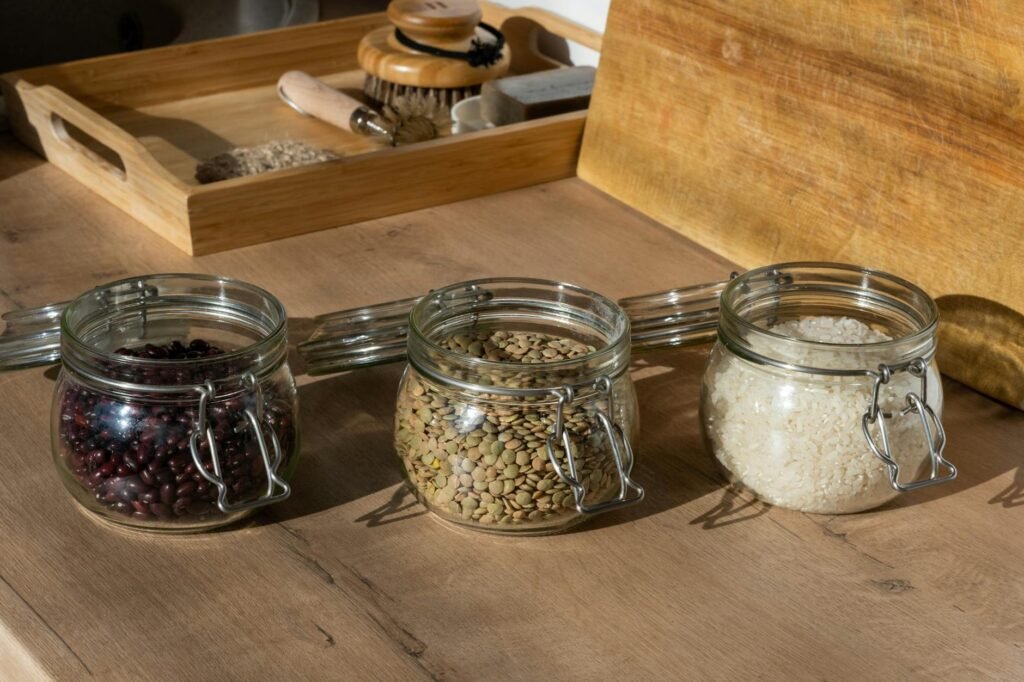
A sturdier plan is to buy the plate’s foundation in high-yield forms. USDA’s Food Buying Guide says 1 pound of dry brown parboiled rice yields about 15.5 half-cup cooked servings. The same guide lists 1 pound of dry lentils at about 29.6 quarter-cup cooked servings. For tofu, 1 pound provides about 7.28 servings at 1/4 cup or 2.2 ounces by weight, with that portion counting as 1 ounce equivalent meat alternate when it contains at least 5 grams of protein. In practice, that means a small basket of staples can cover several dinners, and you can spend your flavor budget on mushrooms, herbs, chili crisp, or good bread instead of making every ingredient a premium substitute. (foodbuyingguide.fns.usda.gov)
| Staple | Purchase unit | Approximate yield | Serving size used | Best use on a comfort plate |
|---|---|---|---|---|
| Brown parboiled rice, dry | 1 lb | 15.5 servings | 1/2 cup cooked | Bowls, braises, curries, saucy greens |
| Lentils, dry | 1 lb | 29.6 servings | 1/4 cup cooked | Ragùs, stews, sloppy-joe-style fillings |
| Tofu, commercially prepared | 1 lb | 7.28 servings | 1/4 cup or 2.2 oz by weight | Crisp cutlets, cubes, pan-seared slabs |
| White or russet potatoes, about 6 oz each | 1 lb | 2.66 whole baked potatoes | 1 whole baked potato | Knife-and-fork comfort plates |
In the case of an individual using this system to eat well for a whole week, three items can provide the required energy. A bean or lentil casserole to eat over a couple of days, as well as one or two meals of tofu cooked in various ways, will supply most of one’s needed energy. One might also consider spending extra on mushrooms, high-quality bread, favourite hot sauce, and/or fresh herbs that will really elevate the meal.
Shop for satisfaction, not just ingredients
- Pick one main starch for the week. Buy enough of one base to repeat across multiple dinners instead of buying small amounts of three different bases.
- Choose two proteins: one fast and one slow. Fast might be canned beans or tofu. Slow might be dry lentils or dry beans.
- Buy produce in the form you will actually cook. MyPlate says frozen produce is picked at peak ripeness and frozen quickly to maintain taste, quality, and nutrients, while canned and frozen produce lasts longer and can cost less. Choose low-sodium or no-salt-added vegetables when you can. (myplate.gov)
- Budget for flavor concentrates. Tomato paste, bouillon, miso, soy sauce, mustard, chili flakes, and vinegar can rescue an inexpensive plate faster than another premium substitute product.
- Choose one creamy finish, not three. A tahini sauce, peanut sauce, or soy-milk-based gravy usually gets you farther than buying vegan butter, vegan cheese, and vegan cream for the same dinner. Fortified soy milk and yogurt can also help cover the dairy-or-fortified-soy slot in MyPlate. (myplate.gov)
- Use unit price and serving size, not just shelf price. MyPlate explains that unit price lets you compare items by ounce, pound, or quart, and FDA says label comparisons should start with serving size. (myplate.gov)
- Watch sodium on convenience foods. FDA says most dietary sodium comes from packaged and prepared foods, so compare brands if you rely on faux meats, jarred sauces, broth, or frozen entrées. (fda.gov)
Common mistakes that waste money or leave dinner flat
- Treating protein like garnish. A spoonful of chickpeas over pasta does not do the same job as a real bean braise, lentil sauce, or crisp tofu cutlet.
- Buying three specialty substitutes before you buy onions, garlic, broth, or acid. Comfort food falls flat more often from missing depth than from missing faux cheese.
- Skipping the bright note. Lemon, vinegar, herbs, pickles, or hot sauce can make a rich plate taste finished.
- Assuming fresh is always the smart buy. MyPlate says canned and frozen fruits and vegetables last longer, can be just as nutritious as fresh, and may cost less. (myplate.gov)
- Ignoring serving size and sodium on sauces, faux meats, and convenience meals. FDA says nutrition information is usually based on one serving, and most dietary sodium comes from packaged and prepared foods. (fda.gov)
- Trying to make every plate imitate meat. A vegan comfort dinner is often better when it aims for savory, creamy, crisp, and filling instead of exact imitation.
When the first plan still is not enough
Some households still want more chew, more crust, or a stronger center-of-the-plate feel. That is where tofu and tempeh earn their keep. USDA’s Food Buying Guide lists tempeh at 16 one-ounce meat-alternate servings per pound. For tofu, 2.2 ounces or 1/4 cup can count as 1 ounce equivalent meat alternate if it contains at least 5 grams of protein. That makes either one a better strategic purchase than building every meal around shredded vegan cheese. (foodbuyingguide.fns.usda.gov)
If time is the bottleneck, use the backup version without guilt: canned beans, frozen potatoes, frozen greens, instant polenta, or jarred sauce. MyPlate specifically notes that canned and frozen produce lasts much longer than fresh and can be a quick, budget-friendly way to add vegetables. (myplate.gov)
If you are eating fully vegan most of the time, do not let comfort-food planning crowd out basic nutrition planning. MedlinePlus notes that stricter vegetarian patterns require more careful attention to nutrients such as vitamin B12, iron, calcium, zinc, and protein. NIH says vegans are at higher risk of vitamin B12 deficiency and that fortified foods, including some nutritional yeasts and cereals, or supplements can reduce that risk. (medlineplus.gov)
Important: This article is general information, not medical advice. If you have kidney disease or another condition that changes sodium, potassium, or protein needs, ask a clinician or registered dietitian to tailor the plate. (niddk.nih.gov)
How to pressure-test your plate
Before a new vegan comfort dinner becomes part of your regular rotation, audit it once. You are checking three things: satisfaction, nutrition basics, and repeatability.
- Score it with HEARTH. If it misses protein, richness, or tension, fix that before you blame vegan cooking.
- Read the Nutrition Facts label from the top down. FDA says to start with serving size, then compare sodium, added sugars, fiber, protein, and percent Daily Value on similar products. (fda.gov)
- Check the shelf tag. MyPlate breaks out retail price versus unit price, which is the faster way to compare soy milk, beans, pasta, broth, and frozen vegetables. (myplate.gov)
- Repeat the plate once within the same week. If herbs wilted, greens spoiled, or half a tub of sauce went to waste, switch that component to frozen, canned, or a longer-lasting alternative next time. MyPlate recommends buying only what you can use before it spoils. (myplate.gov)
- If the plate leaves you hungry two hours later, enlarge the anchor, not just the snack budget. Usually that means more starch, more protein, or both.
Bottom line
A hearty vegan comfort food meal does not exist because it promotes a vegan lifestyle without animal products. The foundation of the dish is where the ‘comfort’ happens; for example: plenty of starches for the base of a dish, protein to provide a sense of security, deep flavour profiles to add flavour, fat to add body, acid to balance everything out have a delicious plate of food. Spend most of your grocery budget on ingredients that will yield many meals. Then use expensive alternatives as an additional component, rather than the focal point of the dish.
Do I need vegan cheese to make a comfort plate feel complete?
No. What most people miss is usually richness and savory depth, not cheese specifically. A tahini sauce, white-bean puree, olive oil finish, peanut sauce, mushroom gravy, or soy-milk-based béchamel can do that job with less clutter in the cart. Fortified soy milk and yogurt also count in MyPlate’s Dairy Group when they have added calcium, vitamin A, and vitamin D. (myplate.gov)
Can canned beans really be the main protein in comfort food?
Yes. MyPlate includes beans, peas, and lentils in the Protein Foods Group, and they also count in the Vegetable Group. The key is using them as an anchor, such as a bean stew, braise, mashed-bean toast, or burrito bowl, rather than as a garnish. (myplate.gov)
Are frozen vegetables a downgrade?
Not necessarily. MyPlate says frozen produce is picked at peak ripeness and frozen quickly to maintain taste, quality, and nutrients, and that frozen vegetables can cost less and last longer than fresh. (myplate.gov)
What if I don’t like tofu?
Use lentils, beans, chickpeas, tempeh, nuts, seeds, or another soy-based product you actually enjoy. MyPlate lists multiple vegetarian protein options, and USDA’s Food Buying Guide lists tempeh as a meat alternate as well. (myplate.gov)
What nutrients should a vegan household watch if this style of plate becomes routine?
Vitamin B12 is the big one because natural food sources are limited to animal foods. NIH says fortified foods and supplements can reduce deficiency risk. Depending on the rest of the diet, calcium, iron, zinc, protein, and vitamin D may also deserve a deliberate look. (ods.od.nih.gov)
References
- USDA ERS Food Price Outlook – Summary Findings – https://ers.usda.gov/data-products/food-price-outlook/summary-findings?ncid=txtlnkusaolp00000618
- MyPlate Protein Foods Group – https://www.myplate.gov/eathealthy/protein-foods
- MyPlate Beans, Peas, and Lentils – https://www.myplate.gov/beans-and-peas
- MyPlate Dairy Group – https://www.myplate.gov/DAIRY
- MyPlate Shop Smart – https://www.myplate.gov/eathealthy/budget/budget-price-tag
- MyPlate What Is MyPlate? – https://www.myplate.gov/eat-healthy/what-is-myplate?keyword=guidelines+my+plate
- FDA Serving Size on the Nutrition Facts Label – https://www.fda.gov/food/nutrition-facts-label/serving-size-nutrition-facts-label
- FDA Sodium in Your Diet – https://www.fda.gov/food/nutrition-education-resources-materials/sodium-your-diet
- FDA Daily Value on the Nutrition and Supplement Facts Labels – https://www.fda.gov/food/nutrition-facts-label/daily-value-nutrition-and-supplement-facts-labels?apid=37930398&rvid=53bf11102c60035374476a84f6a52bdaada05ad855475c9a438ce18e95f04b96
- USDA Food Plans: Monthly Cost of Food Reports – https://www.fns.usda.gov/research/cnpp/usda-food-plans/cost-food-monthly-reports
- USDA Food Buying Guide Example 9: Rice – https://foodbuyingguide.fns.usda.gov/AltText/AppendixB_Example9_Cereal_Rice
- USDA Food Buying Guide Meats and Meat Alternates Yield Table – https://foodbuyingguide.fns.usda.gov/files/Reports/USDA_FBG_Section1_MeatsAndMeatAlternatesYieldTable.pdf