Bad vegan soul food usually makes one mistake: it swaps ingredients and forgets the job the original dish was doing. The comfort in collards, mac and cheese, black-eyed peas, cornbread, and candied sweet potatoes comes from smoky depth, soft starch, richness, browning, and a little sweet-salty balance – not from any single piece of meat or dairy. Soul food is part of African American foodways, and staples like greens, Hoppin’ John, and cornbread carry cultural meaning, so vegan versions work best as respectful adaptations rather than as corrections to the originals. (nmaahc.si.edu)
TL;DR
- Start with the comfort anchors of the dish, not the most expensive imitation product.
- For budget cooking, let beans, peas, lentils, soy, rice, pasta, greens, potatoes, and cornmeal do the heavy lifting; USDA MyPlate counts beans, peas, and lentils in both the vegetable and protein groups. (myplate.gov)
- Use specialty vegan cheese, bacon, and faux meat as helpers, not the entire foundation of the meal.
- Frozen and canned produce can be smart backup choices when fresh vegetables are likely to spoil before you cook them. (myplate.gov)
A useful mindset
Vegan soul food is not about proving the old dish was wrong. It is about preserving the feeling, rhythm, and generosity of the plate while changing the ingredients in a way that still makes sense for your household. (nmaahc.si.edu)
Use the Comfort-Anchor Scorecard before you change the recipe
The fundamental guideline in this category is simple: Don’t ask if the vegan alternative is the same as the traditional, but only whether it meets your favorite comfort food landmarks. You’ll score the food on each comfort landmark, using a 0 to 2-point scoring system. If the sum score of all 6 landmarks is 8 or higher, the food is generally pretty close to being a comfort food. If the score is less than 8, then the food will likely taste okay but not give you a warm, fuzzy feeling (the emotional high of comfort).
| Anchor | What it gives the dish | Cheap vegan move | Score 0 to 2 |
|---|---|---|---|
| Savory depth | The smoky, oniony backbone that makes the dish feel developed | Onion, garlic, smoked paprika, soy sauce, mushroom powder, or a little miso | 0 flat, 1 present, 2 deep |
| Body | The spoon-coating broth, gravy, or sauce that makes the plate feel substantial | Keep some bean liquid, build a roux, or blend beans or sweet potato into the sauce | 0 thin, 1 decent, 2 full-bodied |
| Starch comfort | The soft base that makes the meal satisfying | Rice, pasta, cornbread, grits, potatoes, or sweet potatoes | 0 missing, 1 weak, 2 generous |
| Richness | The round, satisfying feel that keeps the dish from tasting austere | Oil, vegan butter, tahini, blended beans, or a small amount of nuts | 0 dry, 1 adequate, 2 plush |
| Browning or crisp edges | The contrast that keeps the plate from feeling one-note | Baked crumb topping, skillet cornbread edge, roasted vegetables, or crisp tofu coating | 0 none, 1 some, 2 obvious |
| Brightness | The lift that keeps heavy food from tasting dull | Vinegar, hot sauce, mustard, lemon, or pickled vegetables | 0 dull, 1 balanced, 2 lively |
This particular scorecard is valuable because a majority of unimpressive vegan counterparts do not lack in all facets; they lack in one or two areas. Macaroni and Cheese may appear to have body, but there is a lack of browning; while greens may possess smokiness, they do not offer enough body to be palatable due to the broth nature; and cornbread that lacks richness, but flavor alone will always fail to satisfy your palate when attempting to create a dish using the other two components. Once you identify which anchor is missing, the correction is usually cheaper and simpler than it may seem.
The classics that translate especially well
Collard greens
Start with onion and garlic, then build the missing smoked note with smoked paprika, soy sauce, or a little miso. If you want extra chew, add mushrooms, but do not let them take over the pot. The important part is keeping enough cooking liquid for the greens to feel brothy rather than merely steamed. At the National Museum of African American History and Culture, greens are treated as a defining soul food staple tied to memory, home, and Southern Black foodways, which is exactly why texture and pot liquor matter so much. (nmaahc.si.edu)
Black-eyed peas and Hoppin’ John
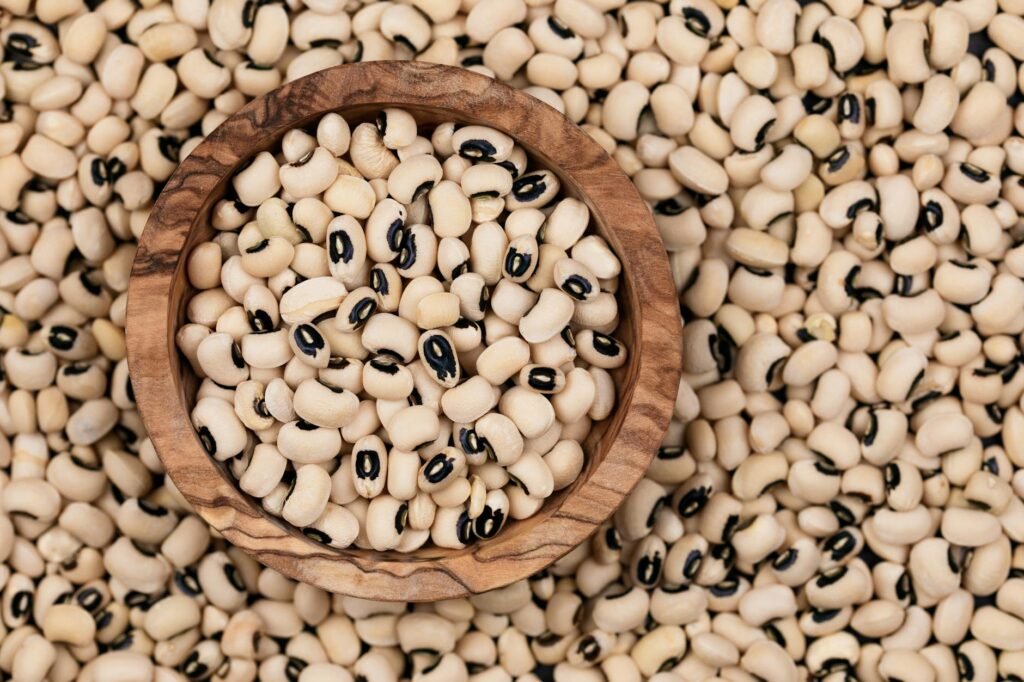
This is one of the easiest wins because the beans are already central to the dish. Let the pot taste oniony, peppery, and lightly smoky, and keep the rice distinct enough that the bowl still has texture. Use dried peas when you can for price control, but canned beans are a perfectly reasonable time-saving option. MyPlate treats beans, peas, and lentils as flexible protein foods, and the FDA notes that rinsing canned beans can help lower sodium. (myplate.gov)
Mac and cheese
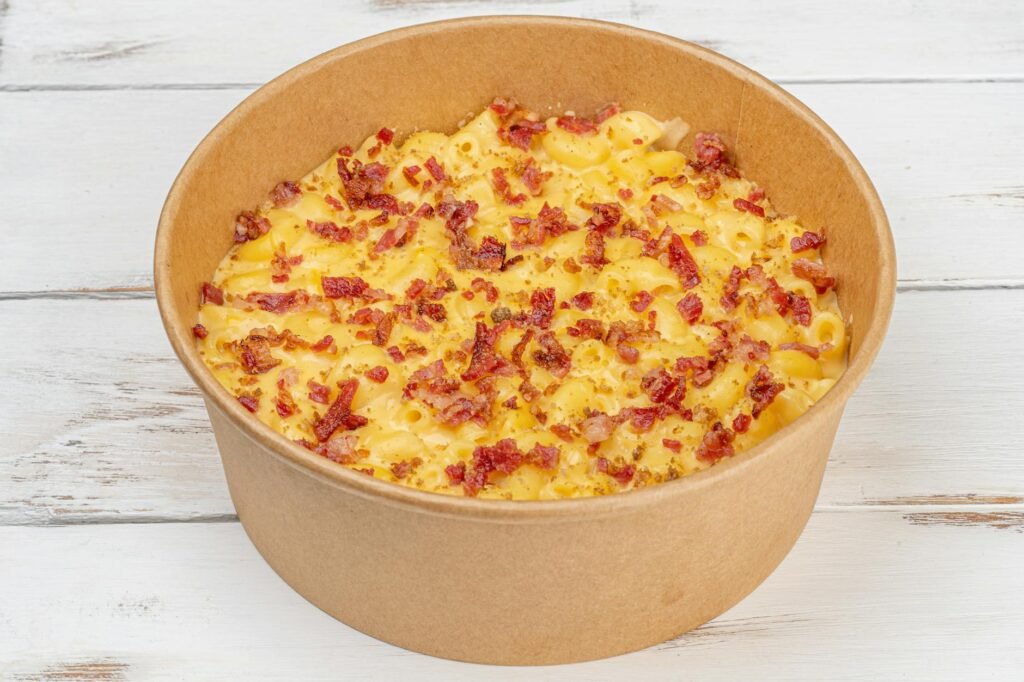
The biggest budget mistake here is trying to get all the creaminess from expensive shredded vegan cheese. A better strategy is to make an actual sauce with a roux, fortified soy milk, and either blended white beans or sweet potato for body, then use a smaller amount of vegan cheese only if you want extra pull or sharper flavor. Soy foods are recognized MyPlate protein choices, and fortified vegan foods can matter nutritionally for people who eat vegan most of the time, especially when labels show vitamin B12 and calcium. (myplate.gov)
Cornbread
Cornbread keeps its comfort when you protect three things: real corn flavor, enough fat, and a browned edge. Plant milk can handle the moisture job just fine. The real decision is whether your table wants a skillet-style savory cornbread or a sweeter, more cake-like version. Make that choice early and season accordingly. Cornbread is one of the dishes the museum specifically names alongside collard greens and Hoppin’ John when discussing historical significance, which is why it helps to think of it as a centerpiece side rather than an afterthought. (nmaahc.si.edu)
Sweet potatoes or candied yams
This food will be okay just as it is, but the elements of softness, spicy, a bit of fat, enough salt and glaze that coats (doesn’t slip off). Don’t let it be overly sweet so that it cannot be served alongside the savoury mains; if the potatoes are flat, normally it is due to a lack of salt or acid, not by adding more sugar.
Fried or smothered cutlets
If you want a plate that fills the fried chicken slot, extra-firm tofu is usually the most budget-stable choice. Press it well, season it aggressively, dust it in flour and cornmeal, and either shallow-fry or bake it until the coating sets. For a Sunday-dinner feel, skip the novelty shapes and smother the cutlets in onion gravy. Tofu also counts in MyPlate’s protein foods group, which is one reason it works so well as a practical foundation instead of a gimmick. (myplate.gov)
A realistic dinner-for-four example with grocery math
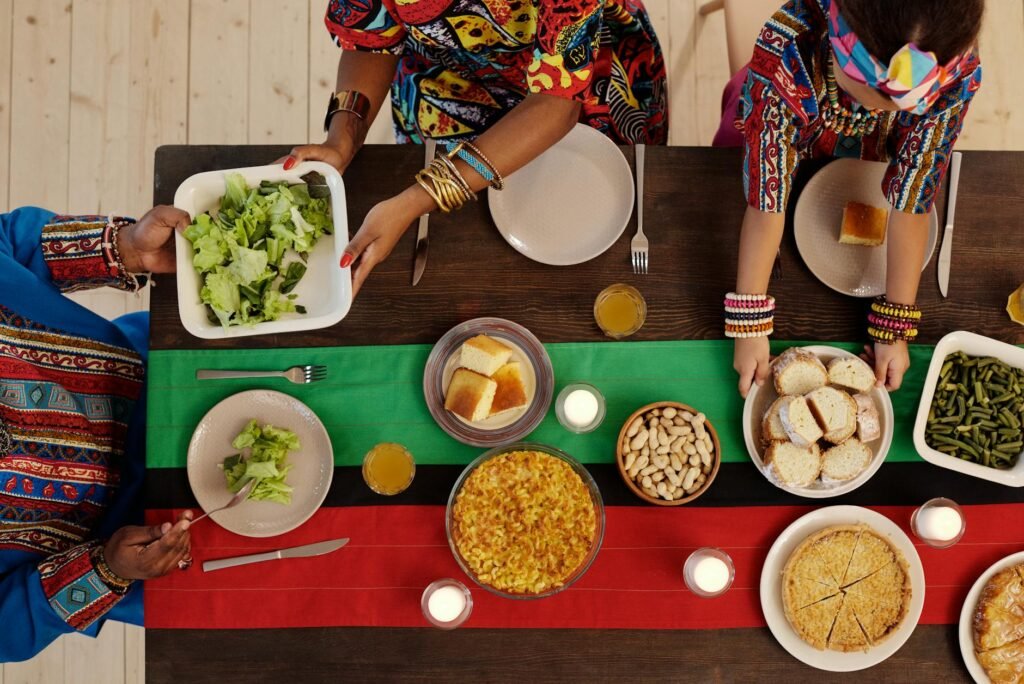
Consider a household of four planning one Sunday dinner plus two next-day lunches. An example discount-store basket of 1 pound of dried black-eyed peas at $1.66, 16 ounces of long-grain rice at $0.92, a bunch of collards at $1.57, and a 5-pound bag of cornmeal at $3.96 totals $8.11 before onions, oil, and seasonings. If you add one 14-ounce block of tofu at $2.92 for smothered cutlets, the basket reaches $11.03. Because the cornmeal bag covers several future pans of cornbread, the useful per-dinner cost is lower than the up-front checkout total. (walmart.com)
The same logic helps with vegan mac. A 16-ounce store-brand elbow macaroni listed at $0.99 plus a half-gallon of unsweetened soy milk listed at $3.97 gives you a $4.96 base for a sauce-driven pan before pantry seasonings. That is why it often makes more financial sense to buy flour, oil, and soy milk and use packaged vegan cheese as a finisher instead of as the whole strategy. (target.com)
The One-Splurge Rule
If the grocery total is creeping up, buy one convenience item per meal, not three. Pick vegan cheese, or vegan sausage, or vegan butter. Do not buy all of them unless the meal is for a holiday or for guests. Soul food already has strong inexpensive anchors such as beans, rice, greens, potatoes, pasta, and cornmeal, so the packaged item should solve one specific problem – such as melt, smoke, or sliceability – instead of carrying the entire dish. (myplate.gov)
| Classic | Best low-cost vegan move | When to spend a little more | Skip this unless it solves a real problem |
|---|---|---|---|
| Collard greens | Onion, garlic, smoked paprika, and a little soy or miso | Mushrooms if you want meatier chew | Expensive vegan bacon |
| Mac and cheese | Roux plus soy milk plus white beans or sweet potato | A modest amount of vegan cheddar for finish | A full bag of vegan cheese as the entire sauce |
| Black-eyed peas or Hoppin’ John | Dried peas, rice, aromatics, and hot sauce at the table | One packaged sausage if this is a company meal | Single-serve pouches when cooking for several people |
| Cornbread | Cornmeal, oil, plant milk, and a hot pan | Vegan butter if browned crust matters to you | A pricey boxed mix if you already keep cornmeal |
| Fried or smothered cutlets | Extra-firm tofu with seasoned coating | Oyster mushrooms for texture if they fit the budget | Processed faux drumsticks that cost more than the sides |
| Sweet potatoes | Real potatoes, spice, salt, and a controlled glaze | A little maple or vegan butter for richness | Overbuying dessert-style toppings for a side dish |
A practical cooking plan that still feels like Sunday dinner
- Choose one pot dish and one pan dish. Good pairings are black-eyed peas plus cornbread, or mac and cheese plus greens.
- Buy dried beans when you have time. Use canned beans and rinse them if speed matters and you want to lower sodium. (fda.gov)
- Use frozen or canned vegetables when fresh produce is likely to spoil before you cook it. MyPlate notes that canned and frozen options last longer and can be helpful for budget planning. (myplate.gov)
- Build flavor in layers: onion and garlic first, spices second, liquid last. Do not throw everything in at once and hope the pot becomes soulful on its own.
- Save one finishing move for the end. Vinegar, hot sauce, crisp crumbs, browned edges, or a spoonful of gravy often matter more than another pinch of dried seasoning.
- Cook enough for lunch, then refrigerate perishable leftovers within 2 hours and use them within 3 to 4 days, or freeze them. (fsis.usda.gov)
- Taste again after a short rest. Greens, beans, and gravies often settle into better flavor after 10 minutes off the heat.
Common mistakes that make vegan soul food taste thin
- Buying every specialty substitute and still forgetting salt, acid, and browning.
- Making greens watery instead of brothy.
- Expecting one ingredient to replace smoked meat all by itself.
- Pulling mac and cheese before the top browns and the sauce tightens.
- Turning sweet potatoes into pure sugar instead of a balanced side.
- Using plant milks or other vegan staples regularly without checking labels for fortification when you rely on them nutritionally. Vitamin B12 planning matters for vegans, and calcium fortification can matter too. (ods.od.nih.gov)
When the first version still falls flat
If your original batch of vegan food was not comforting enough yet still tasted good, try to figure out why. For example: Often flat зеленые foods require more savory flavor and sharper acidity. And grainy макароны require more body and/or long, slow cooking to soften them out. Dry cornbread usually requires either more fat or more rest after baking to become tender.
The easiest fix is often simply adding a dollop of fat, an ounce of vinegar or hot sauce, or browning the topping – not daubing the dish with a flurry of additional seasonings!
If money is tighter than time, cook dried beans and larger batches of rice. If time is tighter than money, buy canned beans, frozen greens, and one convenience protein. If you are feeding skeptical meat eaters, a hybrid plan often works better than an all-swap menu: make naturally vegan black-eyed peas, greens, and sweet potatoes, then use tofu or one packaged item for the protein slot. MyPlate’s budget guidance points to beans, peas, lentils, and longer-lasting canned or frozen produce as smart low-cost building blocks. (myplate.gov)
How to pressure-test the advice in your own kitchen
- Testing the cost: Compare the unit price of base ingredients with those of packaged vegan items. If a convenience item is more than the total cost of beans+rice+greens, it likely should be considered a supporting ingredient.
- Comfort test: Run the 12-point Comfort-Anchor Scorecard. Under 8 usually means the dish is missing body, richness, or brightness.
- Label test: If you eat vegan most of the time, check whether your soy milk or cereal is fortified with vitamin B12, and whether your tofu is made with calcium salts if you are counting on it for calcium. NIH also notes that people following vegetarian diets need more iron because plant iron is absorbed less readily. (ods.od.nih.gov)
- Food-safety test: Cool leftovers promptly, refrigerate within 2 hours, and freeze extra portions within a few days. (fsis.usda.gov)
General information only
If you have kidney disease, severe anemia, food allergies, or are pregnant, ask a registered dietitian or clinician to help you plan sodium, iron, calcium, and vitamin B12 intake. (ods.od.nih.gov)
Bottom line
Vegan soul food keeps its comfort when you protect the dish’s anchors of smoke, body, starch, richness, browning, and brightness, and when you spend carefully on one or two helpers instead of letting specialty products run the whole cart. Done that way, the food still feels generous, familiar, and worth repeating – which is the real standard. (nmaahc.si.edu)
FAQ
Can vegan soul food still taste like soul food if I skip imitation meat?
Yes. Dishes like greens, black-eyed peas, Hoppin’ John, cornbread, and sweet potatoes already rely heavily on beans, grains, vegetables, and sides for their identity. The key is preserving the comfort anchors and flavor layering, not forcing every plate to imitate a meat texture. (nmaahc.si.edu)
Are dried beans really worth the time?
For budget cooking, often yes. MyPlate points to beans, peas, and lentils as low-cost protein foods, and dried versions usually give you the best control over price and texture. Canned beans are still a valid backup, and rinsing can help cut sodium. (myplate.gov)
Do I need fortified foods on a vegan diet?
Vitamin B12 is the nutrient vegans most clearly need to plan for because natural food sources are limited to animal foods. Fortified foods and supplements are common ways people cover that gap. If you are unsure, ask a clinician or dietitian. (ods.od.nih.gov)
Can I use frozen greens or canned beans without ruining the dish?
Yes. MyPlate says vegetables can be fresh, frozen, canned, or dried, and its budget guidance notes that canned and frozen produce lasts longer, which can reduce waste. Choose low-sodium products when possible and season the finished dish yourself. (myplate.gov)
How long do leftovers keep?
Refrigerate perishable leftovers within 2 hours. Use refrigerated leftovers within 3 to 4 days, and freeze extras within that window for best safety and quality. (fsis.usda.gov)
References
- National Museum of African American History and Culture: Foodways – https://nmaahc.si.edu/foodways
- National Museum of African American History and Culture: Chef Ramin Coles Becomes Sweet Home Café’s New Executive Chef – https://nmaahc.si.edu/about/news/chef-ramin-coles-becomes-sweet-home-cafes-new-executive-chef
- MyPlate: Beans, Peas, and Lentils – https://www.myplate.gov/beans-and-peas
- MyPlate: Protein Foods Group – https://www.myplate.gov/eathealthy/protein-foods
- MyPlate: Shop Smart – https://www.myplate.gov/eathealthy/budget/budget-price-tag
- MyPlate Planning for Healthy Eating and Savings – https://www.myplate.gov/sites/default/files/2024-01/MyPlatePlanningForHealthySavingsFVfinal-Jan2024.pdf
- USDA FSIS: Keep Food Safe! Food Safety Basics – https://www.fsis.usda.gov/food-safety/safe-food-handling-and-preparation/food-safety-basics/steps-keep-food-safe
- USDA FSIS: Leftovers and Food Safety – https://www.fsis.usda.gov/food-safety/safe-food-handling-and-preparation/food-safety-basics/leftovers-and-food-safety
- NIH Office of Dietary Supplements: Vitamin B12 Fact Sheet for Consumers – https://ods.od.nih.gov/factsheets/VitaminB12-Consumer/
- NIH Office of Dietary Supplements: Iron Fact Sheet for Consumers – https://ods.od.nih.gov/factsheets/Iron-Consumer/
- NIH Office of Dietary Supplements: Calcium Fact Sheet for Health Professionals – https://ods.od.nih.gov/factsheets/Calcium-HealthProfessional/
- Walmart: Great Value Black Eyed Peas, 1 lb – https://www.walmart.com/ip/Great-Value-Black-Eyed-Peas-1-lb/140484140