A practical guide to making vegan meals feel filling, affordable, and easy by using simple protein anchors instead of more complicated recipes.
TL;DR
- Start with one clear protein anchor at each meal. USDA MyPlate recognizes beans, peas, lentils, nuts, seeds, and soy products as vegetarian protein options. (myplate.gov)
- You do not need to pair plant proteins perfectly at one sitting. MedlinePlus notes that the balance over the whole day matters more than combining amino acids at every meal. (medlineplus.gov)
- Use the PACE Protein Filter for weeknights: Protein, Affordable, Convenient, Enjoyable.
- For packaged foods, read the Nutrition Facts label for grams of protein per serving. FDA requires protein to be listed, and 20% Daily Value is considered high as a general guide for nutrients. (fda.gov)
- If you eat fully vegan, think about vitamin B12 separately from protein because plant foods do not naturally contain B12 unless they are fortified. (ods.od.nih.gov)
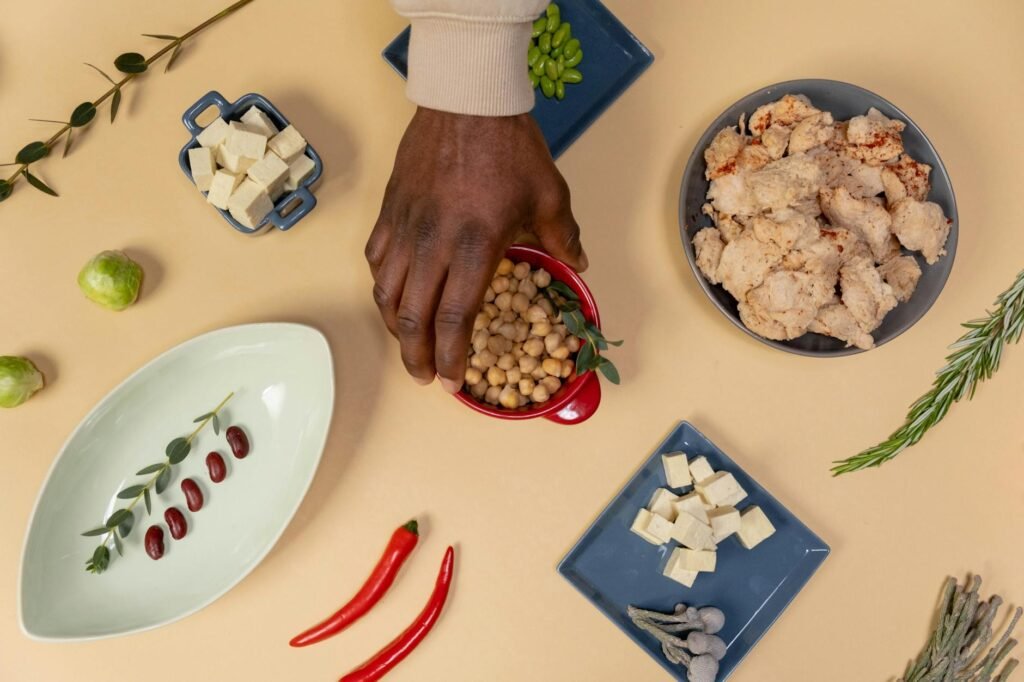
A lot of vegan dinners are technically healthy and still not very satisfying. The usual problem is not that the cook forgot a fancy recipe. It is that protein shows up as a garnish instead of a foundation: a few chickpeas on a salad, a spoonful of hummus next to vegetables, or pasta with sauce and no real anchor. Because beans, lentils, nuts, seeds, and soy foods all count as vegetarian protein choices, the fix is usually simpler than people expect: pick one of them on purpose and build the meal around it. (myplate.gov)
This is not about chasing bodybuilder numbers or turning dinner into homework. MedlinePlus notes that you can meet protein needs without animal foods and that essential amino acids do not need to be eaten at every meal. That makes weeknight planning much easier: focus on a dependable rotation of plant proteins you will actually buy, cook, and eat. (medlineplus.gov)
This article is general nutrition information, not medical advice. If you have chronic kidney disease, a condition that affects nutrient absorption, or another health issue that changes protein needs, get individualized guidance from a clinician or registered dietitian. NIDDK notes that people with chronic kidney disease may need tailored advice on the amount and sources of protein, and NIH lists vegans among groups who may need to pay special attention to vitamin B12. (niddk.nih.gov)
Start with the PACE Protein Filter
Before a food earns a place in your weeknight rotation, run it through PACE. P is Protein: the portion you actually serve should make a real contribution, not a token one, and the easiest way to check is the grams of protein on the Nutrition Facts label. A is Affordable: it fits your real grocery budget. C is Convenient: pantry, freezer, or 15-minute friendly. E is Enjoyable: the texture and flavor work for you or your household. If a food misses two of the four, it may still be nutritious, but it is probably not your best Tuesday-night staple. FDA requires protein to appear on the Nutrition Facts label, so you do not have to guess. (fda.gov)
| Protein anchor | Best weeknight use | Why it keeps dinner simple | Main catch |
|---|---|---|---|
| Canned beans | Tacos, soups, grain bowls | No soaking, no separate protein course | Some people need a stronger texture or seasoning plan |
| Dry lentils | Soups, sauces, curries | Cook in one pot and batch well | Less useful on true last-minute nights unless already cooked |
| Extra-firm tofu | Stir-fries, sheet pans, noodle bowls | Works with many sauces and cuisines | Usually better when browned, baked, or well seasoned |
| Frozen edamame | Fried rice, salads, snack plates | Straight from freezer to bowl or skillet | Can be less budget-friendly if used as the whole family’s only anchor |
| Tempeh | Sandwiches, grain bowls | Dense texture can make meals feel substantial | Flavor is not an easy sell for every household |
| Packaged meatless options | Emergency dinners | Fastest route when cooking energy is low | Let the label decide whether the price and nutrition are worth it |
Build one anchor, then add comfort and crunch
If you are looking to complete your vegan eating experience, rather than building your meal with several side dishes, think of your food as 1 main protein anchor and then attach 1 common starch and 1 added flavor or texture enhancer. For instance, you would use tofu, rice and a spicy peanut sauce or lentils, pasta and grated vegan cheese. Or maybe you would use black beans, tortillas and some crunchy slaw. This is some much easier than trying to create a meal with scattered protein source to try to complete the meal after your plate is already made.
USDA’s serving guide is useful here because it shows how small a token protein serving can be. MyPlate counts 1/4 cup of cooked beans, peas, or lentils, 1/4 cup of edamame, about 1/4 cup of tofu, and 1 ounce of cooked tempeh as 1 ounce-equivalent in the protein foods group. That means a few chickpeas or a light sprinkle of seeds may add nutrition, but they often do not function as the meal’s main anchor. (myplate.gov)
The easiest upgrades at breakfast, lunch, and dinner
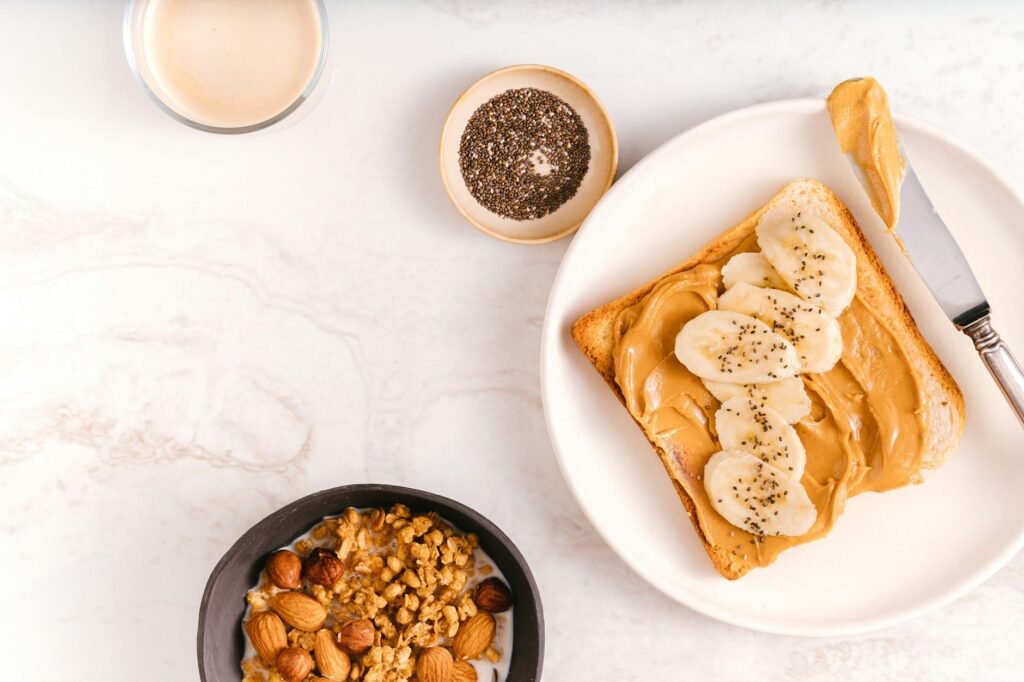
Breakfast is often the quiet weak spot. If oatmeal, cereal, or smoothies are built around a lower-protein plant beverage, the whole meal may stay lighter than you expect. FDA notes that fortified soy beverages are the plant-based beverages currently included in the dairy group in the Dietary Guidelines because they have key nutrients similar to milk, and the Nutrition Facts label lets you compare protein, calcium, vitamin D, and potassium across options. A simple breakfast upgrade is to start with fortified soy milk or another soy food you already use, then build around oats, toast, fruit, or nut butter. (fda.gov)
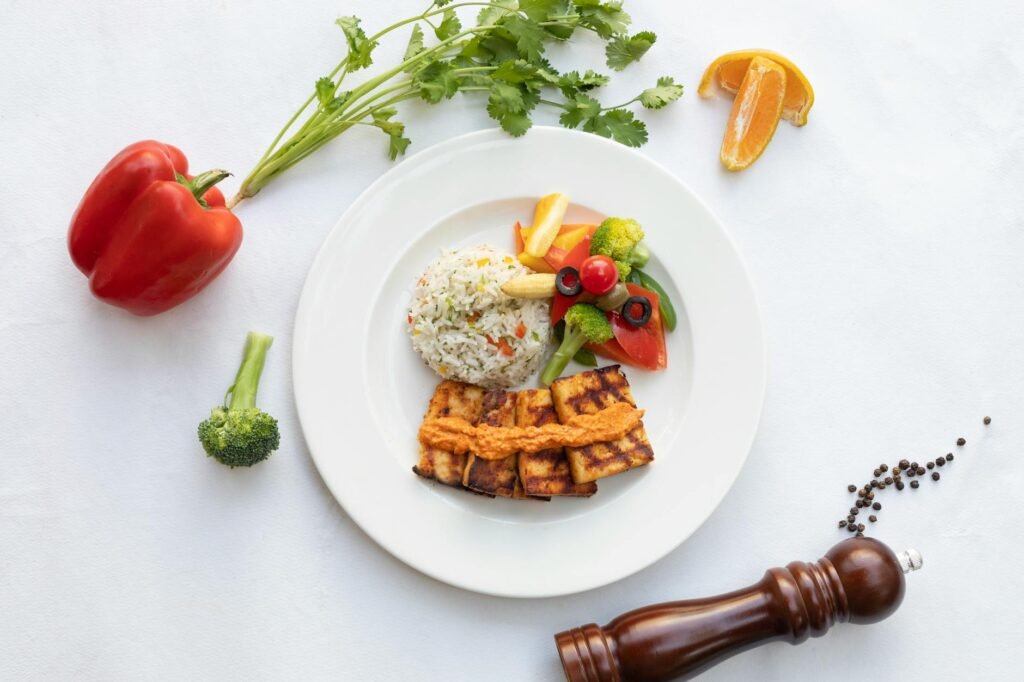
Lunch gets easier when you stop treating protein as a separate project. Leftover lentil soup, bean chili, tofu rice bowls, or pasta with white beans already solve the problem. Dinner can be even simpler: canned beans for tacos, red lentils stirred into soup or curry, tofu on a sheet pan, or shelled edamame folded into rice or noodles. USDA’s MyPlate and MyPlate’s vegetarian tips make the same broader point: you have a wide range of plant protein choices, and simple meals like tofu stir-fry or bean burritos count. (myplate.gov)
A 20-minute protein reset for the week
- Pick two anchors you will definitely use this week, not five you hope to become the kind of person who uses.
- Prep one immediately. Press and cube tofu, cook a pot of lentils, or rinse and portion canned beans into containers.
- Buy one freezer or pantry backup for low-energy nights, such as shelled edamame, canned refried beans, or a meatless staple you know you like.
- Match each anchor with one starch and one sauce before the week starts. Example: tofu plus rice plus teriyaki; black beans plus tortillas plus salsa.
- Make breakfast easier on purpose. Put the soy milk, nut butter, oats, or tofu where you will see them first.
- Keep one sentence on the fridge or in your notes app: “What is tonight’s anchor?” That question fixes more dinners than browsing recipes does.
What this looks like in a real grocery basket
Example only: a two-person household wants three simple dinners and four protein-forward breakfasts without adding a long prep session. Their store prices look like this: extra-firm tofu, $2.79; two cans of black beans, $1.00 each; frozen shelled edamame, $2.99; 64 ounces of fortified soy milk, $3.49; and a box of lentil pasta, $3.29. Total: $14.56 for the protein foundation of about 10 meal servings before produce, rice, tortillas, sauce, and other staples. That is the kind of basket that can keep dinner functional without pushing the household toward more expensive convenience buys later in the week.
Now use the labels. If the tofu package shows 14 grams of protein per serving and four servings per container, the block supplies 56 grams total. If the soy milk label shows 7 grams per cup, four breakfast servings add another 28 grams. The point is not to worship a number. It is to see that one or two deliberate ingredients can carry most of the protein load without making dinner a production. FDA’s label rules make that kind of comparison straightforward. (fda.gov)
Where simple vegan meals usually go sideways
- Using vegetables, grains, and sauce as the whole dinner, then trying to fix fullness with random snacks later.
- Treating nuts or seeds as the only protein source at dinner. They are valuable, but they often work better as support than as the anchor.
- Assuming every plant milk does the same job. FDA specifically points readers to the label for protein and other key nutrients, and fortified soy beverages stand apart in current federal guidance. (fda.gov)
- Assuming every meatless convenience food is automatically a good protein deal. The reality check is the Nutrition Facts panel: protein per serving, sodium, saturated fat, and serving size. (fda.gov)
- Forgetting vitamin B12. Protein can be covered while B12 is not, because plant foods do not naturally contain vitamin B12 unless they are fortified. (ods.od.nih.gov)
- Buying ambitious staples that require soaking, marinating, or specialty sauces you are unlikely to deal with on a busy Wednesday.
When the easy plan is still not enough
Some people need a denser plan because calorie needs, activity levels, appetite, and health status differ. MedlinePlus notes that protein needs vary with overall calorie needs and other individual factors. If dinner still leaves you hungry, the first move is usually to enlarge the anchor portion or pair two easy anchors, not to declare vegan food a failure. Think tofu plus edamame, beans plus lentil pasta, or a bean dinner with a glass of fortified soy milk. (medlineplus.gov)
There are also situations where self-experimenting is not the right approach. NIDDK says people with chronic kidney disease may need tailored guidance on the amount and sources of protein. And for anyone eating fully vegan, vitamin B12 needs separate planning through fortified foods or supplements because plant foods do not naturally provide it. (niddk.nih.gov)
How to verify that your meals are actually working
Run a one-week audit instead of guessing. For three dinners and two breakfasts, write down the anchor, the protein grams from the Nutrition Facts label or USDA FoodData Central, how full you felt two hours later, and whether you ended up grazing. If a meal looks virtuous but repeatedly sends you to the pantry, it needs a stronger anchor, not better intentions. FDA’s label rules make packaged foods easy to compare, and USDA describes FoodData Central as its comprehensive source of food composition data when a package is not involved. (fda.gov)
- Was there one obvious protein anchor on the plate?
- Did I serve a real portion or just a garnish?
- Did the meal stay satisfying for at least two to three hours?
- Would I realistically buy and cook that ingredient again next week?
- If I eat fully vegan, where is my vitamin B12 source coming from this week? (ods.od.nih.gov)
Bottom line
The lowest-effort way to make vegan meals more satisfying is to stop sprinkling protein around the plate and start choosing one anchor on purpose. Beans, lentils, tofu, tempeh, nuts, seeds, and soy foods all count. The best option is not the trendiest one. It is the one you can afford, keep stocked, and cook on a real weeknight, then verify with the label and your own hunger two hours later. (myplate.gov)
FAQ
Do I need to combine beans and rice in the same meal to get complete protein?
No. MedlinePlus says essential amino acids do not need to be eaten at every meal, and the balance over the whole day matters more. (medlineplus.gov)
What is the easiest vegan breakfast protein upgrade?
Change the liquid first. FDA says fortified soy beverages are the plant-based beverages currently included in the dairy group because they have key nutrients similar to milk, and the label lets you compare protein and other nutrients quickly. (fda.gov)
Is tofu too processed to be a regular staple?
Not necessarily. USDA MyPlate includes soy products such as tofu and tempeh in the protein foods group, and MedlinePlus notes that soy is high in protein. For everyday use, the more practical test is whether the product fits your taste, budget, and label goals. (myplate.gov)
How do I judge a packaged vegan protein quickly?
Start with serving size, grams of protein, and sodium on the Nutrition Facts label. FDA explains that the label lists protein and that 5% Daily Value is low while 20% Daily Value is high as a general rule of thumb for nutrients. (fda.gov)
If I eat fully vegan, is protein the main nutrient I need to watch?
Protein matters, but vitamin B12 deserves separate attention because plant foods do not naturally contain vitamin B12 unless they are fortified. (ods.od.nih.gov)
References
- USDA MyPlate: Protein Foods Group – https://www.myplate.gov/eathealthy/protein-foods
- USDA MyPlate: Beans, Peas, and Lentils – https://www.myplate.gov/beans-and-peas
- MedlinePlus: Protein in Diet – https://medlineplus.gov/ency/article/002467.htm
- FDA: Daily Value on the Nutrition and Supplement Facts Labels – https://www.fda.gov/food/nutrition-facts-label/daily-value-nutrition-and-supplement-facts-labels?apid=37930398&rvid=53bf11102c60035374476a84f6a52bdaada05ad855475c9a438ce18e95f04b96
- FDA: Using the Nutrition Facts Label to Choose Milk and Plant-Based Beverages – https://www.fda.gov/food/nutrition-education-resources-materials/using-nutrition-facts-label-choose-milk-and-plant-based-beverages
- NIH Office of Dietary Supplements: Vitamin B12 Consumer Fact Sheet – https://ods.od.nih.gov/factsheets/VitaminB12-Consumer/?trk=public_post_comment-text
- NIDDK: Healthy Eating for Adults with Chronic Kidney Disease – https://www.niddk.nih.gov/health-information/kidney-disease/chronic-kidney-disease-ckd/eating-nutrition
- USDA FoodData Central: About Us – https://fdc.nal.usda.gov/about-us
- USDA MyPlate Tip Sheet: Enjoy Vegetarian Meals – https://www.myplate.gov/web/tip-sheet/enjoy-vegetarian-meals
- MedlinePlus: Soy – https://medlineplus.gov/ency/article/007204.htm