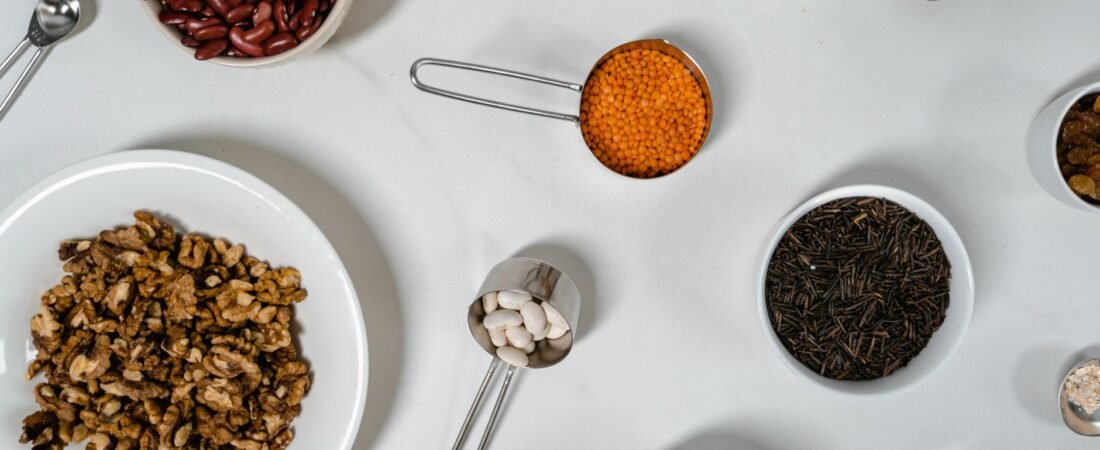
Beans, lentils, and chickpeas are easy to call budget staples. They are harder to make craveable. That is why so many households buy them with good intentions, cook one flat-tasting pot, and drift back to pricier proteins or takeout. A better way to think about them is as a savings tool that only works when flavor is built in from the start. USDA price data shows dried pinto beans among the least expensive vegetable options per cup equivalent, and USDA MyPlate notes that beans, peas, and lentils can count as either a vegetable or a protein depending on the meal. (ers.usda.gov)
Why flavor is the real savings strategy
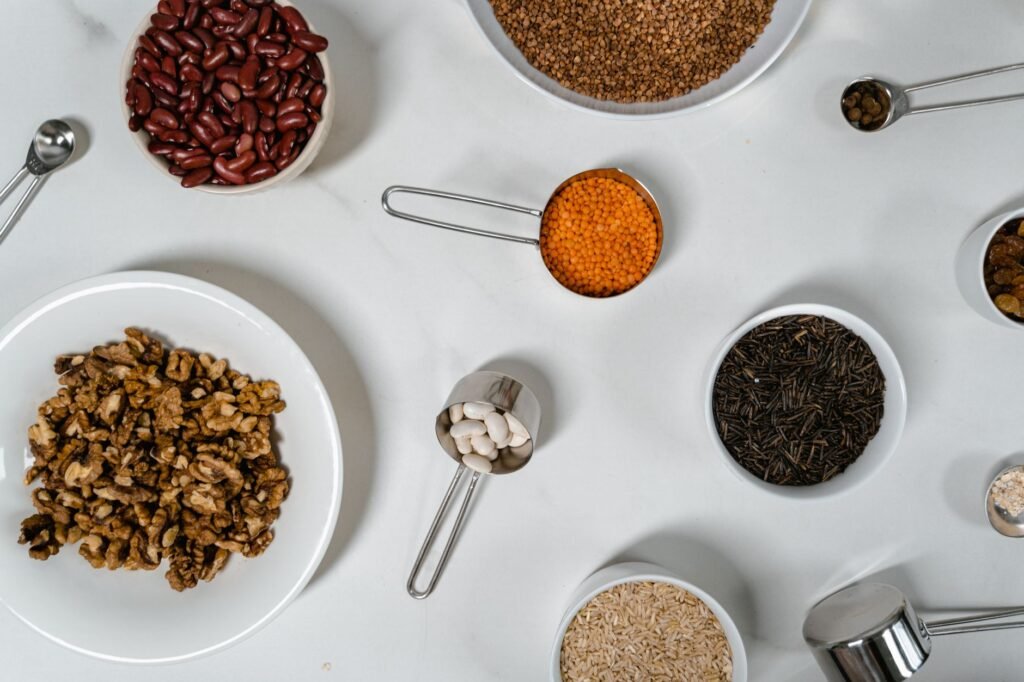
Once you think of legumes as the center of the plate rather than backup protein, the math changes. One pound of dry beans usually becomes roughly 4 to 6 cups cooked, depending on the variety and method, which means a few dollars spent on onion, garlic, citrus, herbs, yogurt, tahini, or chili oil gets spread over many servings. (heart.org)
This is important because a low-quality (cheap) pot is not really a low cost if half of it goes to waste by going into the freezer. Your real cost per serving can increase rapidly by wasting “food” you bought to use regularly. The best way to stretch your budget is actually not to serve bland beans; but, to serve beans, lentils, and chickpeas with flavour that people will eat up, want again, and come back for.
Choose the form that matches the night
There is no prize for using dry beans when you need dinner in 25 minutes. Lentils are the easiest weeknight legume because they cook quickly and generally do not need soaking. Canned beans and canned chickpeas are often the better value when time is the scarce resource. Dry beans earn their keep when you want a big batch, deeper seasoning, and creamier interiors. (extension.colostate.edu)
| Pick this | Best use | Time reality | Taste payoff | Smart budget note |
|---|---|---|---|---|
| Dry black, pinto, navy, or cannellini beans | Chili, soups, taco bowls, creamy beans over toast or rice | Best with soaking or a pressure cooker; not a last-minute dinner | Creamy interior and the deepest from-scratch flavor | Best choice when you want 6 or more portions and strong leftovers |
| Brown or green lentils | Soups, skillet meals, salads, lentil bolognese | Usually weeknight-fast | Earthy, savory, easy to season | The easiest low-cost workhorse if you cook after work |
| Red lentils | Dal, pureed soups, thick stews, sauces | Very fast | Creamy and soft, ideal for people who dislike whole beans | Great starter legume for bean-skeptical households |
| Canned chickpeas or canned beans | Salads, smashed sandwiches, sheet-pan meals, quick bowls | Fastest option | Good if you add strong finishing flavors | Worth the extra cost when convenience prevents takeout |
| Dry chickpeas | Hummus, stews, braises, crispy roasted chickpeas after cooking | Longer project unless pressure-cooked | Excellent texture if fully tender | Best when chickpeas are a regular part of your routine |
Use the B.E.A.N.S. Score before you blame the ingredient
The B.E.A.N.S. Score is a fast way to evaluate the meal that you’re presenting. You can use a score from 0 to 2 for each element (missing = 0, present but not strong = 1, strong and intentional = 2). The higher the number (8 to 10) tends to represent food that is a full entrée. The medium score (5 to 7) represents food that is edible but not memorable. The low score (0 to 4) represents a dish with an issue that is not the choice of legume but that of how it is built.
- B – Base flavor: Start with onion, garlic, shallot, scallion, leek, or at least a seasoned cooking liquid.
- E – Enough salt: Beans and lentils need internal seasoning, not just a sprinkle at the table.
- A – Acid at the end: Lemon, lime, red wine vinegar, sherry vinegar, tomatoes, yogurt, or pickled vegetables give lift.
- N – Noticeable richness: Olive oil, butter, tahini, coconut milk, yogurt, avocado, or a spoon of pesto carry flavor.
- S – Something crunchy or fresh: Herbs, toasted breadcrumbs, pumpkin seeds, nuts, chili crisp, pickled onions, or chopped celery keep the bowl from feeling flat and soft.
Salt is the one area where home-cooking guidance varies. CSU Extension says salt can shorten cooking time and improve bean appearance, while some extension guidance recommends salting closer to the end. The practical takeaway is that a modest amount of salt is usually not the main enemy. Old beans, hard water, or adding a lot of tomatoes or citrus too early are more common reasons dry beans stay stubborn. Acid is the truly consistent warning sign: if you add a large amount before the beans are tender, expect a longer cook. (extension.colostate.edu)
The cheap flavor moves that change everything
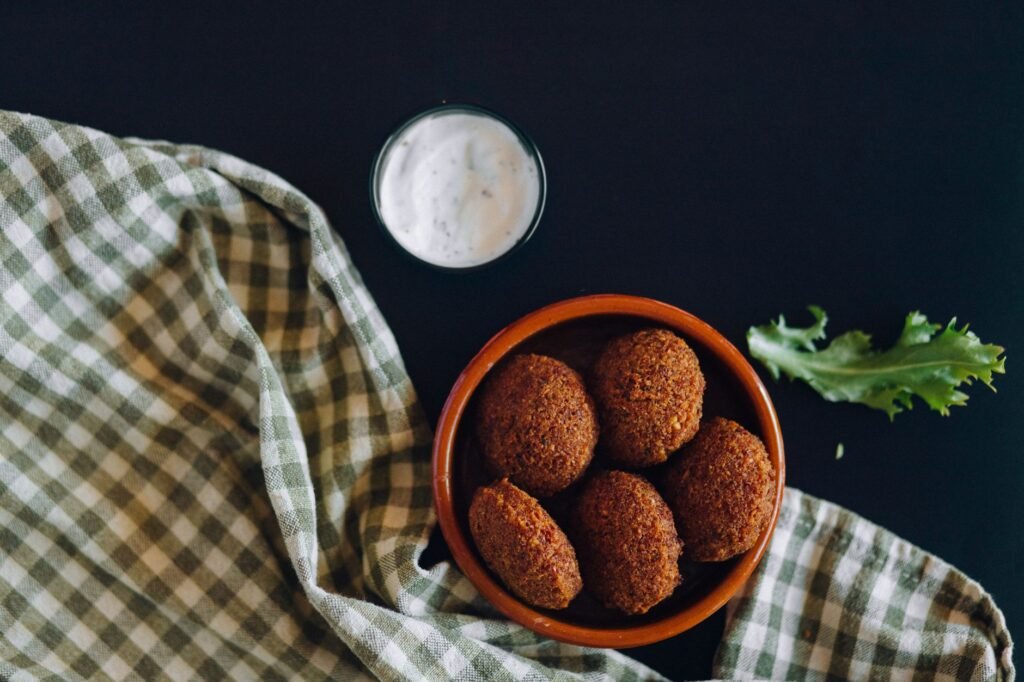
Typically, you get the largest flavour return through four inexpensive decisions. First, sauté the aromatics in oil or butter before adding the legumes. The second decision is to create a flavour base by using one savoury component, such as tomato paste, bouillon, soy sauce, miso, Parmesan rind or smoked paprika. The third decision is to add a finishing acidity, such as lemon juice or vinegar. Finally, the way that the final garnish creates contrast will be what differs most in using the low-cost ingredients to feel like the meal was served as a dish vs. just being prepared. Many budgets do not use that fourth step, but it can be the difference between food that tastes well prepared and food that tastes like it is being eaten out of duty.
Three low-cost flavor patterns that rarely miss
- Black beans or pinto beans: onion, garlic, cumin, oregano, a little tomato paste, then lime and cilantro at the end. Mash a small scoop back into the pot for body.
- Brown lentils: carrot, celery, onion, black pepper, mustard, and a splash of red wine vinegar. This works in soups, grain bowls, or over baked potatoes.
- Chickpeas: olive oil, garlic, smoked paprika, lemon, and tahini or yogurt, finished with parsley and something crunchy. If the chickpeas still taste dull, the missing piece is usually acid or texture, not more salt.
You can get a lot of value from items in your pantry by picking out which tastes go together. The lemon, the fresh herbs, the mustard, and the tomato paste, for example, could make many dishes better. However, a sauce that costs a little more but only works for one meal is typically an inferior value compared to the same sauce being used for many meals.

A realistic weeknight example with grocery math
Here is one practical, mid-priced supermarket example for a household planning three meatless dinners: 1 pound dry black beans for $1.89, 1 pound brown lentils for $1.59, 2 cans chickpeas for $2.18, onions for $1.50 of a bag, garlic for $0.69, 2 lemons for $1.38, parsley for $1.49, tomato paste for $0.99, plain yogurt for $2.49, rice for $1.50, tortillas for $2.29, and about $2.50 for pantry oil and spices. Total: about $20.49.
Note: These prices are illustrative grocery math, not a market survey. Your store, region, and brand choices may be higher or lower.
From that basket, you can make about 12 portions: black bean taco rice bowls, lentil skillet bowls with a mustard-vinegar finish, and chickpea wraps with lemon-yogurt sauce. That works out to roughly $1.71 per portion before optional extras like cheese or avocado. The lesson is not that every bean dinner must be ultra-cheap. It is that spending a few dollars on the ingredients that make legumes taste complete is usually smarter than serving a huge pot of bland food.
A simple cooking flow for better legumes every time
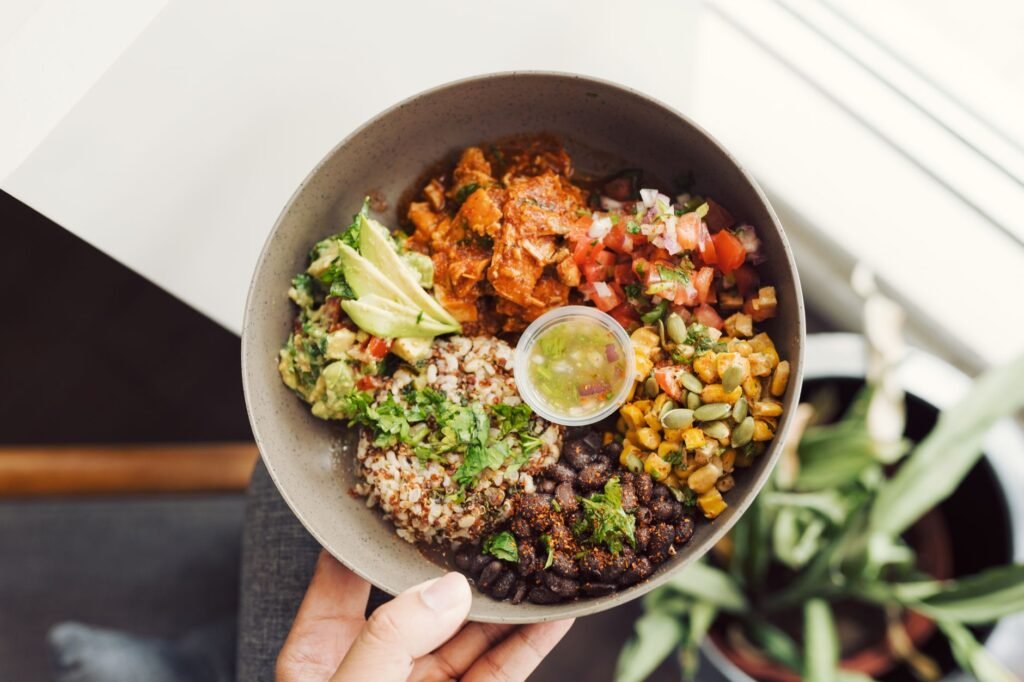
- Choose the end texture first. Do you want creamy, brothy, mashed, or crisp-edged? Then choose the legume that fits.
- Build a base in fat. Cook onion, garlic, or another aromatic until softened before adding beans, lentils, or chickpeas.
- Season in layers. Add salt, spices, and one savory booster early enough to matter.
- Cook until truly tender. If the center is still chalky, the final dish will taste underseasoned no matter what you add later.
- Finish only after tenderness is right. Add lemon, vinegar, tomatoes, yogurt, herbs, or pickles at the end for brightness.
- Top for contrast. Crunch, fresh herbs, and a little richness make legumes feel like dinner rather than a side.
If you use canned beans or chickpeas, low-sodium or no-salt-added versions make the final seasoning easier to control. The American Heart Association says draining and rinsing canned beans can cut sodium by up to 40 percent, which is helpful when you want a well-seasoned meal without an overly salty finish. (heart.org)
Common mistakes that keep legumes in side-dish territory
- Using plain water and expecting restaurant-level flavor.
- Adding tomatoes, vinegar, or lemon too early to dry beans. Acid can slow softening. (extension.colostate.edu)
- Stopping at tender-ish. If the center is still firm or chalky, the pot will never taste fully seasoned.
- Skipping richness altogether. Even a modest amount of olive oil, butter, tahini, yogurt, or coconut milk can make the whole dish taste rounder.
- Using very old dry beans. As pulses age, they can take much longer to cook and may resist softening. (extension.colostate.edu)
- Treating all lentils the same. Red lentils collapse quickly; brown and green lentils hold better; French lentils stay firmer.
- Serving a soft stew with no contrast. Add chopped herbs, toasted crumbs, seeds, nuts, or pickled vegetables before you call it done.
When good technique still is not enough
The problem may be in the design of the product rather than how it is seasoned. You can have a very well prepared dry bean product; however, there may still be a failure with people who prefer a smoother texture, more contrasting flavour, or a more familiar shape. If you continue with this challenge, then first try changing the design format before discontinuing the product.
- If whole beans keep getting rejected, start with red lentil soup, hummus, smashed chickpea salad, or a creamy white bean puree under roasted vegetables.
- If dry beans stay firm after a long cook, assume age, storage, or water quality may be part of the problem and switch to canned for that specific recipe.
- If weeknights are tight, reserve dry beans for weekends and lean on lentils or canned chickpeas Monday through Thursday.
- If gas is the main barrier, start with smaller portions, use lentils more often, and soak dry beans when you can. The American Heart Association notes that soaking helps break down some compounds that contribute to intestinal discomfort. (heart.org)
Warning: Food safety backup plan: do not put raw dry kidney beans straight into a slow cooker and hope for the best. FDA says raw or undercooked kidney beans can contain harmful lectin. Soak for at least 5 hours and boil in fresh water for at least 30 minutes, or use canned kidney beans for slow-cooker meals. (fda.gov)
How to verify that this advice is actually saving you money
Use two numbers: your B.E.A.N.S. Score and your waste-adjusted cost. Waste-adjusted cost means total batch cost divided by portions actually eaten. If a $12 pot theoretically makes 8 servings but only 5 get eaten, your real cost is $2.40 per serving, not $1.50. That is why taste matters more than sticker price.
- After each batch, score Base flavor, Enough salt, Acid, Noticeable richness, and Something crunchy or fresh from 0 to 2.
- Write down which legume you used, whether it was dry or canned, and how it was cooked.
- Track leftovers honestly: eaten within 3 days, frozen, or wasted.
- Repeat only the combinations that score 8 or higher and create little waste.
- If a batch scores low, change one variable next time: more acid, more salt, longer cooking, or better texture contrast.
The bottom line
Beans, lentils, and chickpeas can offer the greatest taste to your dish if you do not limit them to fulfilling simply one task; food should provide you comfort, wealth, brightness, and texture. Pair the legume to your meal build levels of flavour as well as measurement with what is actually consumed. It is at these moments that inexpensive proteins can be developed into awesome meal planning rather than simply being fallback choices.
Frequently asked questions
Are dried beans always a better buy than canned beans?
Not always. Dried beans are usually cheaper per serving and a pound of dry beans can yield roughly 4 to 6 cups cooked, but canned beans can be the better value if time is tight or you only need a quick dinner. The smarter choice is the one you will actually cook and eat. (heart.org)
Do lentils need to be soaked?
Usually no. CSU Extension notes that lentils, especially red lentils, cook quickly without soaking, which is one reason they are the easiest legume for busy weeknights. (extension.colostate.edu)
Should I salt the pot while beans cook?
Reasonable cooks will find mixed guidance. CSU Extension says salt can help cooking and appearance, while some extension guidance recommends salting later. A practical middle ground is to use a modest amount, hold back big acidic ingredients until the beans are tender, and adjust at the end. (extension.colostate.edu)
Why do my canned chickpeas still taste flat after I season them?
Because salt alone is usually not enough. Chickpeas often need acid and richness, then a finishing contrast such as parsley, pickled onions, toasted crumbs, or chili crisp. If sodium is a concern, start with low-sodium canned beans and rinse them first. (heart.org)
Can I cook raw kidney beans in a slow cooker from dry?
Use caution. FDA says raw or undercooked kidney beans can contain harmful lectin. Soak them for at least 5 hours and boil them in fresh water for at least 30 minutes, or use canned kidney beans for slow-cooker recipes. (fda.gov)
References
- American Heart Association – Save Money by Making Beans From Scratch – https://www.heart.org/en/healthy-living/healthy-eating/cooking-skills/shopping/save-money-by-making-beans-from-scratch
- USDA Economic Research Service – Fruit and Vegetable Prices: Highlights and Interactive Charts – https://www.ers.usda.gov/data-products/fruit-and-vegetable-prices/highlights-and-interactive-charts
- American Heart Association – The Benefits of Beans and Legumes – https://www.heart.org/en/healthy-living/healthy-eating/eat-smart/nutrition-basics/the-benefits-of-beans-and-legumes
- USDA MyPlate – Beans, Peas, and Lentils – https://www.myplate.gov/beans-and-peas
- American Heart Association – How to Reduce Sodium in Your Diet – https://www.heart.org/en/healthy-living/healthy-eating/eat-smart/sodium/how-to-reduce-sodium
- Colorado State University Extension – Cooking with Dry Beans and Other Pulses – https://extension.colostate.edu/resource/cooking-with-dry-beans-and-other-pulses/
- University of Maine Cooperative Extension – Legumes: Dry Beans, Peas, and Lentils – https://extension.umaine.edu/publications/4183e/
- U.S. Food and Drug Administration – Natural Toxins in Food – https://www.fda.gov/food/chemical-contaminants-pesticides/natural-toxins-food